




A report about the Consultancy Council of the College for Industry
Collage of Maritime Transport and Technology
Location: Alexandria – Abou Qir
Academic Year (2025 / 2026)
| The Address of the Consultancy Council for industry | “Bridging Policy and Practice: Advanced Maritime Excellence” |
| Meeting Date | Wednesday, 17th of June 2025 |
| Meeting Location | Dr. Gamal Mokhtar Hall at the Arab Academy for Science, Technology and Maritime Transport (AASTMT). |
| Number of participating companies | 47 |
| The description and purpose of the consultancy council | The meeting was convened to discuss the following agenda items: 1. Achievements of the College of Maritime Transport and Technology over the past five years and the College's future strategic direction in light of recent amendments to international maritime conventions. 2. Review of the 2026 regulatory amendments of the International Maritime Organization (IMO) and their implementation under the SOLAS, MARPOL, and STCW Conventions. 3. Presentation of the latest developments in marine electrification technologies and their contribution to achieving sustainability objectives and operational excellence. 4. Discussion of European Union maritime regulations concerning marine fuels and oil tankers and their implications for the maritime transport sector. 5. Review of the role of ports as strategic testbeds for Blue Economy technologies and maritime innovation. 6. Discussion of the future of the global maritime workforce through 2035, with particular emphasis on artificial intelligence and emerging professional competencies. 7. Review of the role of the Regional Maritime Security Institute in implementing the International Ship and Port Facility Security (ISPS) Code throughout Arab ports. 8. Any other business (AOB). |
| Consultancy council Recommendations | 1. Update academic curricula and training programmes to ensure alignment with the forthcoming amendments to International Maritime Organization (IMO) regulations. 2. Strengthen the role of specialized maritime compliance and international legislation centres within the Academy's Maritime Excellence Sector to support regulatory implementation and professional development. 3. Integrate marine electrification technologies and clean energy concepts into both academic curricula and practical training programmes. 4. Launch applied research programmes focusing on alternative marine fuels and maritime decarbonization technologies. 5. Develop a national roadmap to facilitate compliance with European Union requirements concerning marine fuels and greenhouse gas emissions. 6. Transform ports into Living Labs for testing, validating, and demonstrating Blue Economy technologies and innovative maritime solutions. 7. Adopt a future-oriented competency-based education model that promotes lifelong learning and continuous professional development. 8. Expand practical training opportunities and strategic partnerships with shipping companies, ports, and other maritime industry stakeholders. 9. Integrate Artificial Intelligence, maritime data analytics, and automation technologies into educational and professional training programmes. |
| Pictures of the college's consultancy council | 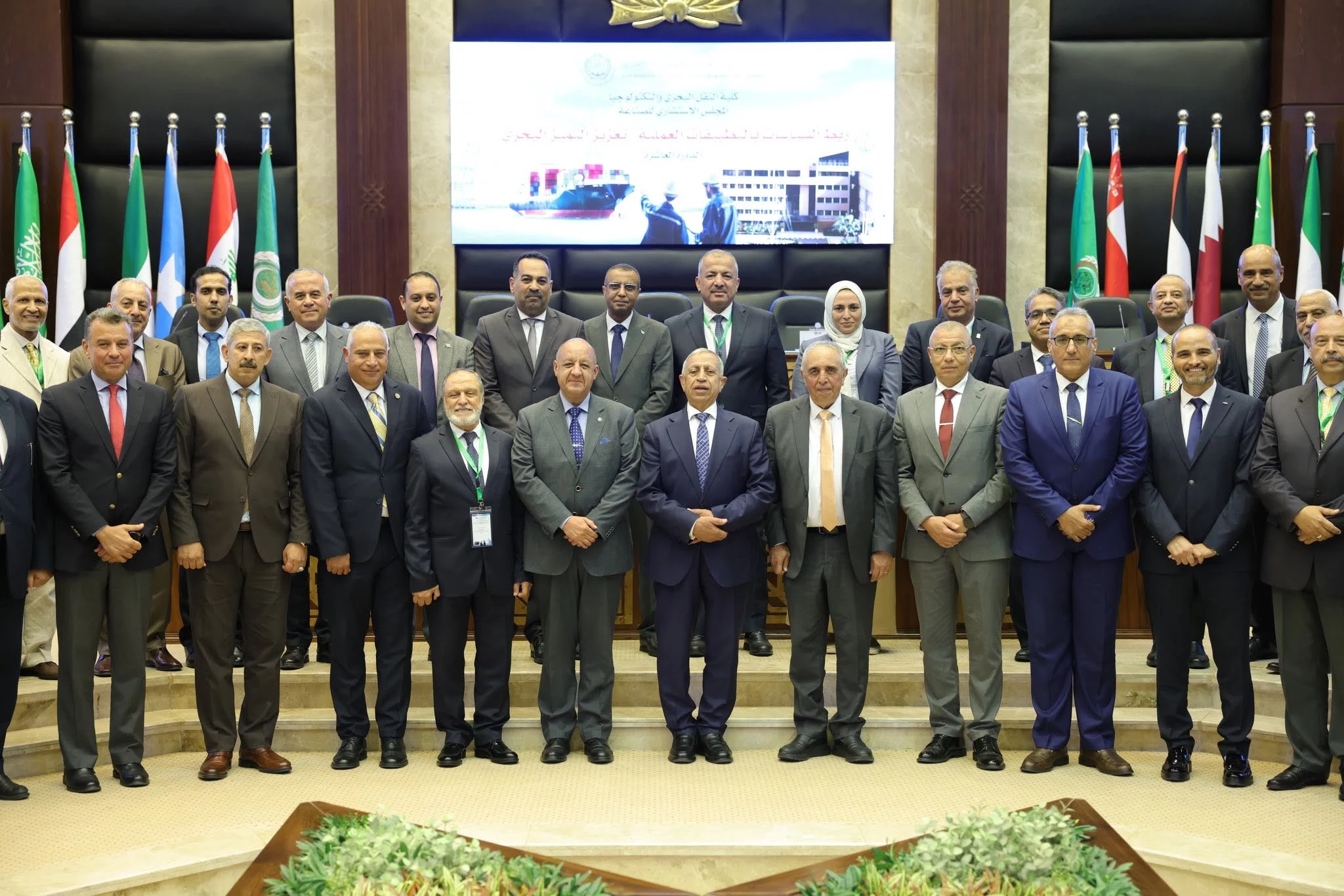 |
