



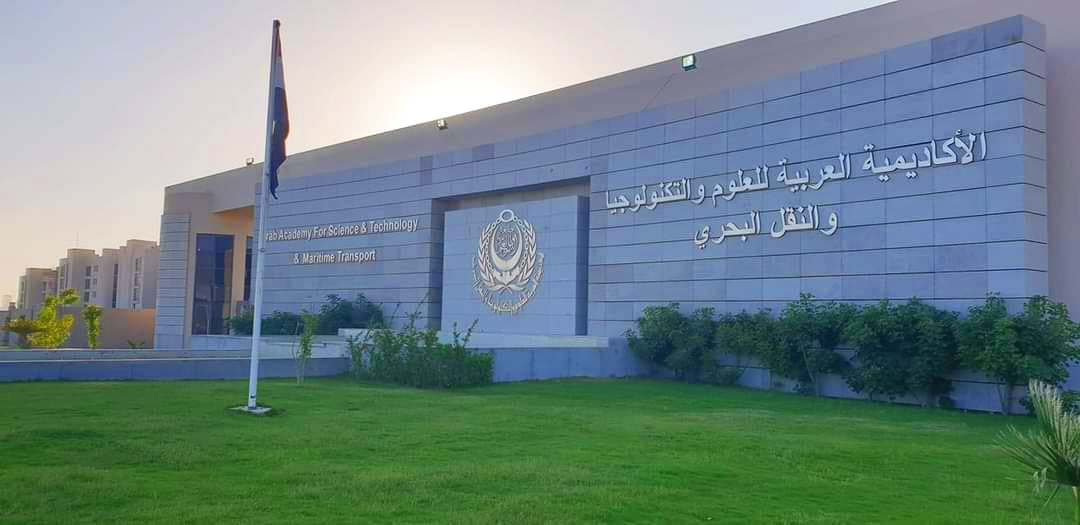
The College of International Transport and Logistics at the Arab Academy for Science, Technology & Maritime Transport (AASTMT) – Alamein Campus, proudly launched the 4th Edition of the International Logistics Camp under the theme “Artificial Intelligence in Logistics”, held from September 4–5, 2024.
The 4th ILC Camp further expanded AASTMT’s mission of open and inclusive education. The camp granted free access to campus facilities and digital tools, allowing both AASTMT students and external participants from logistics, engineering, and AI fields to explore real-world applications of artificial intelligence through hands-on workshops, expert-led seminars, and guided lab demonstrations. All sessions were recorded and published on AASTMT’s online learning platforms and social media channels, ensuring continuous free access to academic resources for anyone interested in logistics innovation and sustainability. Participants earned certificates of completion recognized by AASTMT and its international collaborators, symbolizing the university’s dedication to knowledge sharing, practical skill development, and global collaboration in alignment with the UN SDGs.
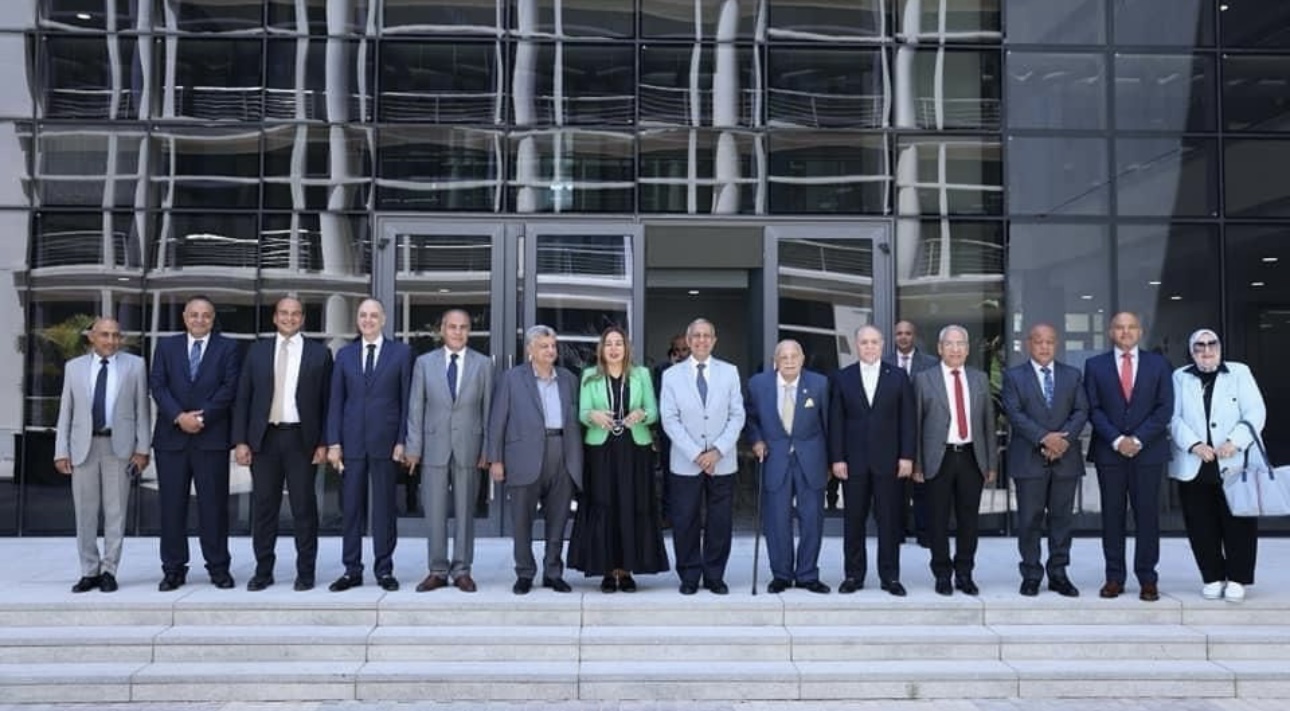
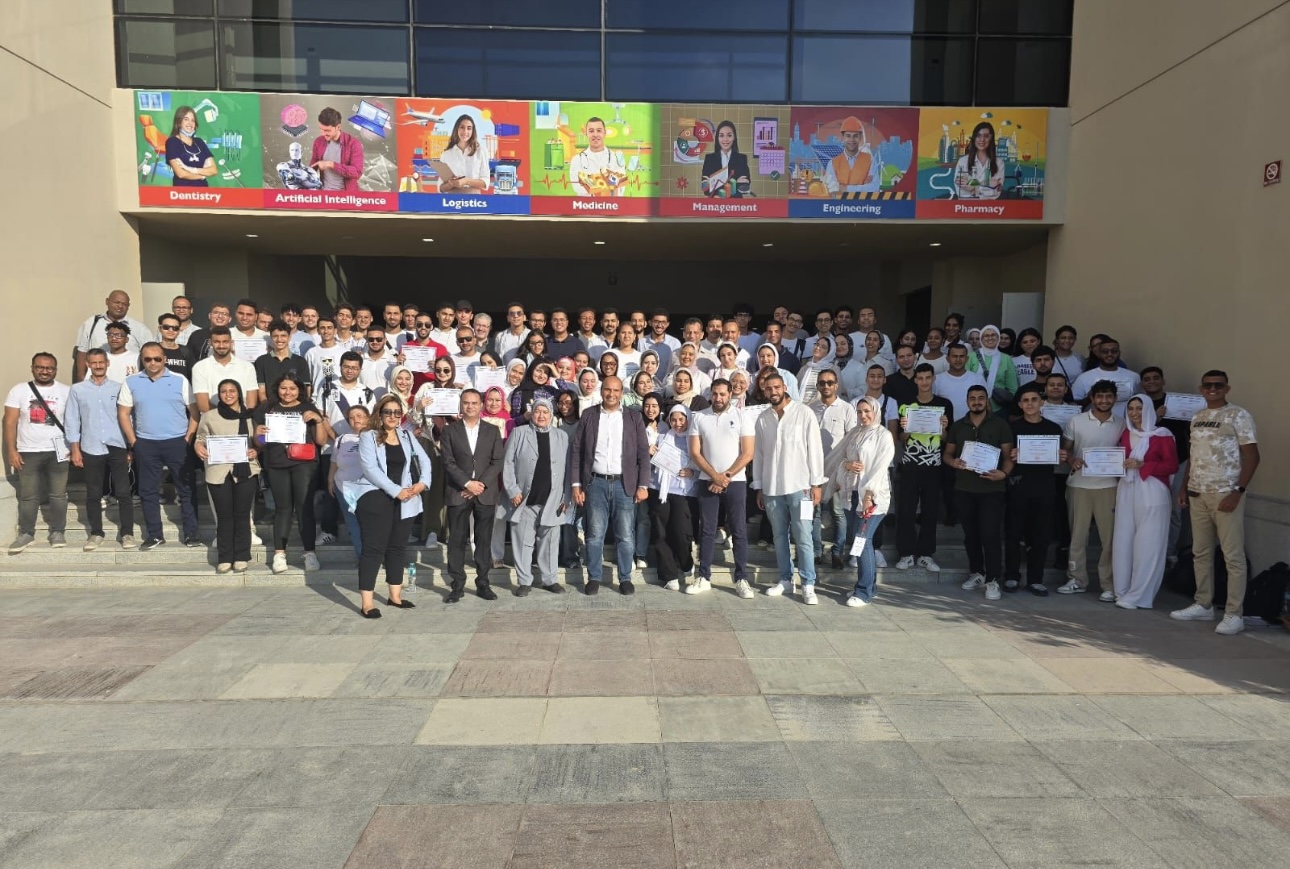
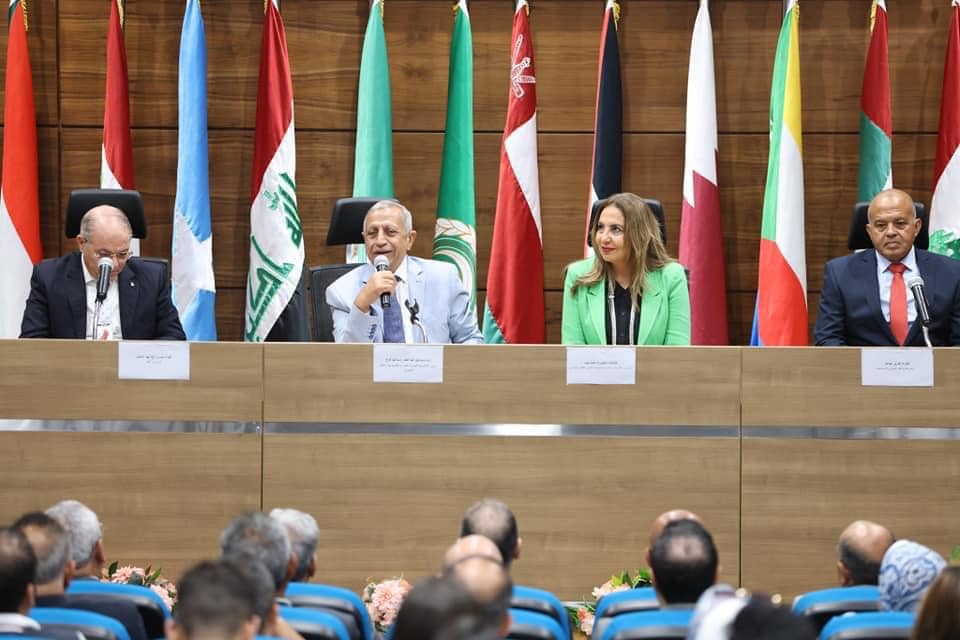
This year’s edition explored how AI and digital transformation are reshaping logistics efficiency, sustainability, and innovation—directly supporting the United Nations Sustainable Development Goals (SDGs), particularly SDG 9 (Industry, Innovation, and Infrastructure) and SDG 12 (Responsible Consumption and Production).

Dr. Islam El Naqeeb highlights the transformative role of digitalization in supply chains during the International Logistics Camp at AASTMT – Alamein Campus. He emphasizes how real-time data integration, location-based technologies, and IoT empower organizations to enhance efficiency, predict disruptions, and build resilient and sustainable supply networks.
Through digital dashboards and connected operations, supply chain leaders gain full visibility across suppliers, inventory, and logistics networks—driving smarter decisions, ethical sourcing, and continuous improvement toward a more sustainable future.
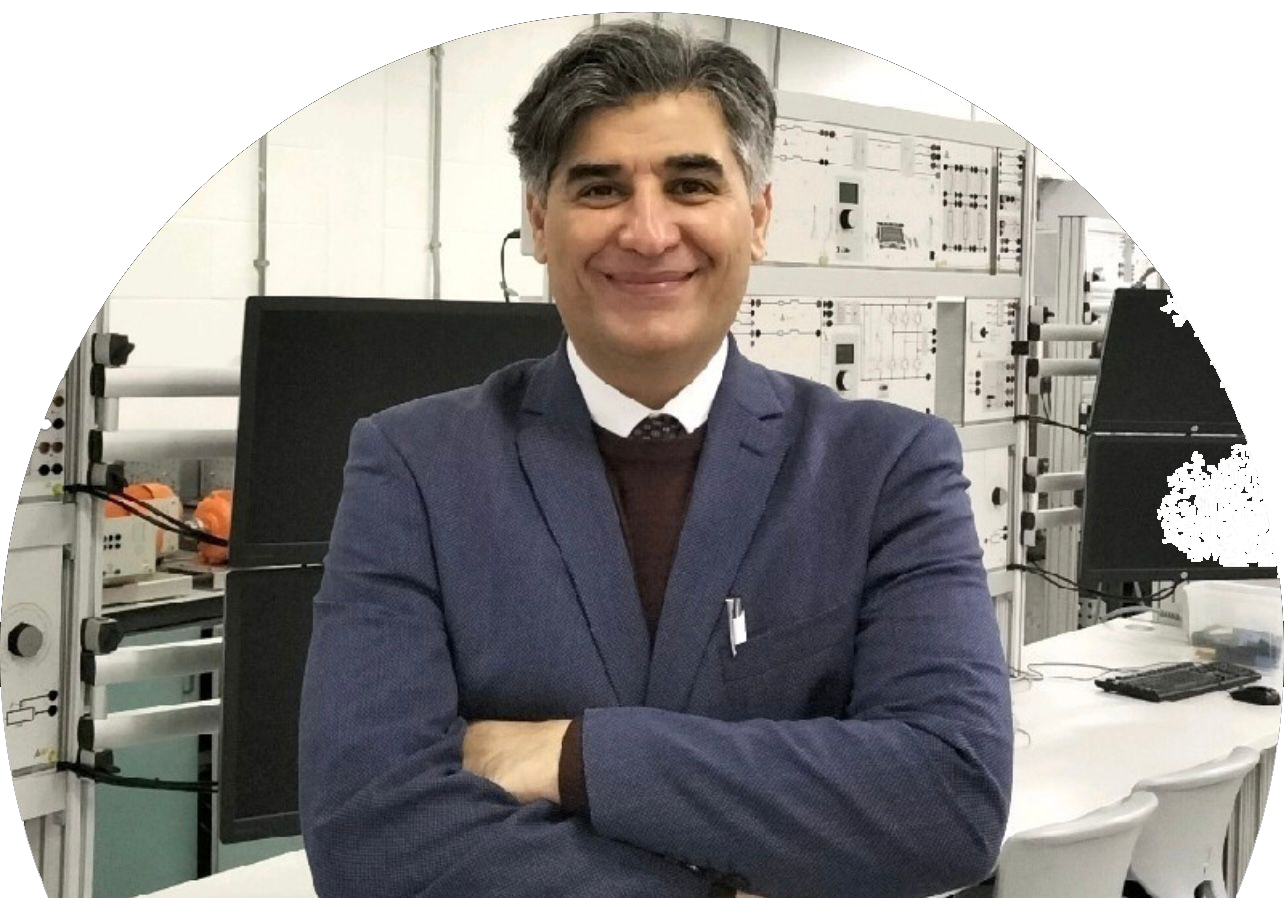
Major General Tarek Abdullah, Head of the Maritime Transport and Logistics Sector, Ministry of Transport, highlights Egypt’s strategic transformation in transport and logistics, emphasizing the sector’s pivotal role in sustainable development. He notes that Egypt is investing in modern infrastructure and smart mobility systems to position the country as a regional hub for trade and logistics while ensuring safety, efficiency, and environmental sustainability.

Major General Hatem Al-Qadi, Honorary President and Founder of the Arab Federation of Shipping Chambers, emphasizes the importance of the sustainable use of ocean resources to drive economic growth while preserving marine ecosystems, alongside the rise of green logistics practices that minimize environmental impact. By adopting renewable energy, smart automation, and eco-efficient transport solutions, industries can achieve operational excellence while contributing to a more sustainable and resilient global supply chain.
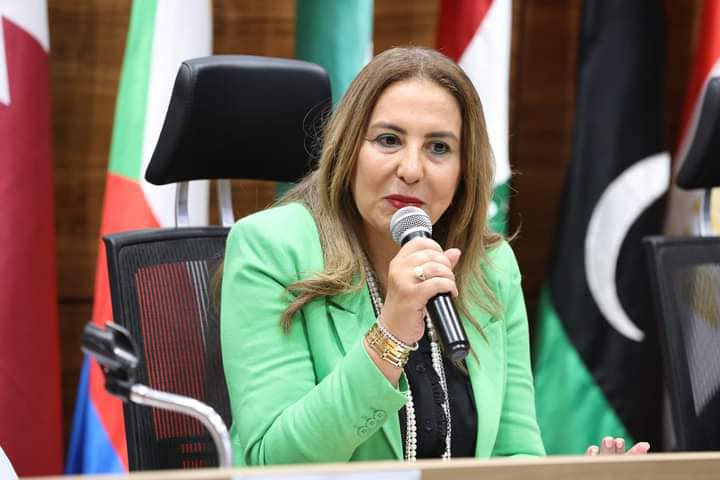
Dr. Ghada Labib outlines Egypt’s national digital transformation strategy during the International Logistics Camp at AASTMT – Alamein Campus. She highlights the government’s efforts to build a Digital Egypt, enhancing ICT infrastructure, improving digital public services, and promoting efficiency, transparency, and citizen well-being through integrated, technology-driven governance.

Major General Ahmed Hawash presents the Grand Alexandria Port Project, a major national initiative transforming Egypt’s largest port into a world-class maritime hub. He highlights the “Tahya Misr Multipurpose Terminal”, a state-of-the-art facility designed to handle the world’s largest commercial vessels and strengthen Egypt’s role as a regional center for transport, logistics, and global trade.
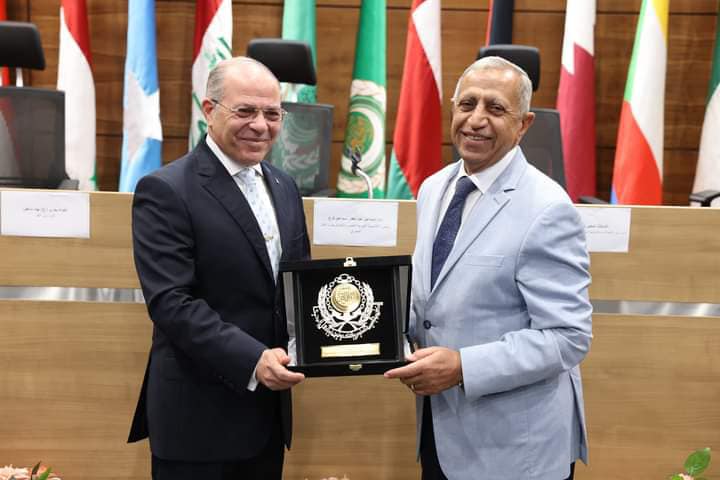
Major General Nihad Shahin presents Egypt’s strategy to become a global hub for trade and logistics during the International Logistics Camp at AASTMT – Alamein Campus. He highlights Egypt’s unique geographic position between the Red and Mediterranean Seas and the Suez Canal’s pivotal role in global commerce. The strategy focuses on modernizing seaports, expanding logistics zones, integrating dry ports and rail networks, and fostering partnerships with the private sector to strengthen Egypt’s standing as a leading center for international trade and logistics.
