



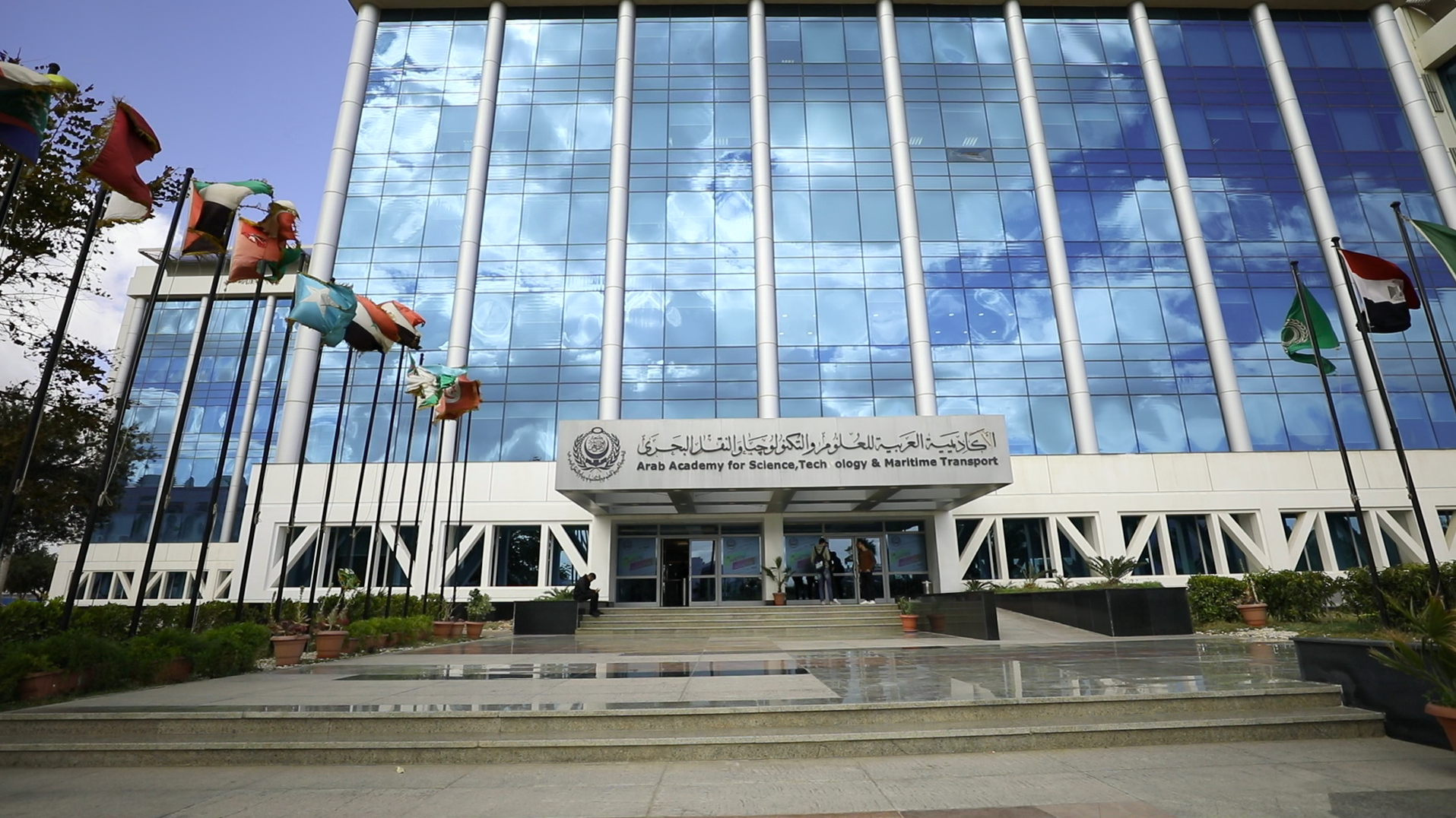
The program offers the bachelor degree in Cybersecurity. The candidate for the bachelor degree in cybersecurity is required to pursue scholastic quality and complete a plan of study prepared with his academic advisor and approved by the Computer Science Department Council. The number of credit hours required for graduation is 132 (cr. hr.) spreading over 8 academic semesters. The first 4 semesters are common for all College programs. Then, the student chooses her/his specialization among College Programs.
The program curriculum provides great flexibility in course selection and offers a broad scientific base by containing a collection of courses in mathematics, physics, humanities, and sciences. These courses are accompanied by Cybersecurity courses covering different areas such as Ethical Hacking and Penetration Testing, Digital Forensics and Incident Response, Software Security, Malware Analysis and Reverse Engineering, Web Security, and others.
Program Objectives
Graduates of Cybersecurity program at CCIT are expected, within a few years of graduation, to:
Student Outcomes
Student outcomes for the Cybersecurity program were adopted starting Fall 2022/2023 taking into account latest ABET
recommendations. The outcomes state that graduates of the program will have an ability to:
Course Descriptions |
||
|---|---|---|
| Course Code | Course Name | Course Description |
| Admission Exam English Proficiency | ||
| GLA 0001 | Remedial English | |
| 1.1 University Requirements | ||
| 1.1.1. Compulsory Courses | ||
| UNR2101 | Communication and Presentation Skills | Click Here |
| UNR1403 | Academic English | Click Here |
| UNR1407 | Academic Writing | Click Here |
| 1.1.1 Elective Courses by University (College Compulsory) | ||
| UNR1302 | Fundamentals of Business | Click Here |
| 1.1.2 Elective Courses | ||
| UNR1102 | Creativity and Innovation | Click Here |
| UNR1103 | ICT Skills | Click Here |
| UNR4201 | Professional Ethics and Practice Law | Click here |
| UNR4301 | Introduction to Entrepreneurship | Click Here |
| UNR2303 | Engineering Economy | Click Here |
| UNR2304 | Introduction to Leadership | Click Here |
| UNR2305 | Contemporary Issues in Society Business and Economics | Click Here |
| UNR1306 | Basics of Logistics Management | Click Here |
| UNR1402 | Arabic Language | Click Here |
| UNR1404 | French Language | Click Here |
| UNR1405 | German Language | Click Here |
| UNR1406 | Spanish Language | Click Here |
| UNR1501 | Art Appreciation | Click Here |
| UNR1502 | History of Egyptian Art | Click Here |
| UNR1503 | Music and Civilization | Click Here |
| UNR2504 | Introduction to Photography | Click Here |
| UNR2505 | Introduction to Cinematography | Click Here |
| UNR1601 | Climate Change and Water Management | Click Here |
| UNR1602 | Sustainable Development | Click Here |
| UNR2603 | Environmental Sciences and Technology | Click Here |
| UNR2604 | Safety and Risk Assessment | Click Here |
| UNR1605 | History of Engineering and Technology | Click Here |
| 1.2 College Requirements | ||
| 1.2.1 Basic and Applied Science Courses (EBA) | ||
| 1.2.1.2 Compulsory Courses | ||
| EBA0201 | Precalculus (for science section students) | |
| EBA1110 | Physics | Click Here |
| EBA1203 | Calculus I | Click Here |
| EBA1204 | Calculus II | Click Here |
| EBA2203 | Probability & Statistics | Click Here |
| EBA2204 | Linear Algebra | Click Here |
| 1.2.1.1 Science Elective Courses | ||
| EBA1106 | Advanced Physics | Click Here |
| EBA1107 | Quantum Physics | Click Here |
| EBA1300 | Biochemistry | Click Here |
| 1.2.2 Computer Science Courses (CCS) | ||
| CCS1001 | Discrete Structures | Click Here |
| CCS1101 | Introduction to Computing | |
| CCS2102 | Digital Logic Design | |
| CCS1302 | Problem Solving and Programming | |
| CCS2103 | Introduction to Computer Architecture | |
| CCS2201 | Introduction to Networks | |
| CCS2303 | Object-Oriented Programming | |
| CCS2304 | Advanced Programming Applications | |
| CCS2305 | Web Programming | |
| CCS2401 | Data Structures and Algorithms | |
| CCS3203 | Operating Systems | |
| 1.2.3 Information System Courses (CIS) | ||
| CIS1000 | Introduction to Information Systems | |
| CIS2101 | Database Systems | |
| 1.2.4 Software Engineering Courses (CSE) | ||
| CSE2001 | Introduction to Software Engineering | |
| 1.2.5 Cybersecurity Courses (CCY) | ||
| CCY2001 | Introduction to Cybersecurity | |
| 1.2.6 Artificial Intelligence Courses (CAI) | ||
| CAI3101 | Introduction to Artificial Intelligence | |
| 1.2.7 Non-Computing Courses (CNC) | ||
| CNC1401 | Entrepreneurship Skills | |
| .3.1 Program Requirements – Compulsory Courses | ||
| CCS3403 | Computing Algorithms | |
| CCY3002 | Introduction to Cryptography | Click Here |
| CCY3003 | Digital Forensics and Incident Response | Click Here |
| CCY3101 | Software Security | Click Here |
| CCY3102 | Malware Analysis and Reverse Engineering | Click Here |
| CCY3201 | Networks Security | Click Here |
| CCY3302 | Distributed Systems Security | Click Here |
| CCY3501 | Cybersecurity Law and Ethics | Click Here |
| CCY4202 | Ethical Hacking and Penetration Testing | Click Here |
| CCY4301 | Cyber-Physical Systems Security | Click Here |
| CCY4303 | AI in Cybersecurity | Click Here |
| CCY4401 | Cybersecurity Risk Management | Click Here |
| CCY4901 | Project I | Click Here |
| CCY4902 | Project II | Click Here |
| 3.3.2 Program Requirements – Elective Courses | ||
| CCY4004 | Advanced Digital Forensics | Click Here |
| CCY4005 | Advanced Cryptography | Click Here |
| CCY4006 | Multimedia Security | Click Here |
| CCY4103 | Blockchain and Applications | Click Here |
| CCY4104 | Web Security | Click Here |
| CCY4105 | E-business Security | |
| CCY4203 | Internet of Things Security | |
| CCY4204 | Advanced Penetration Testing | |
| CCY4205 | Wireless Networks Security | |
| CCY4304 | Operating Systems Security | |
| CCY4305 | Advanced Malware Analysis and Reverse Engineering | |
| CCY4307 | Cloud Computing Security | |
| CCY4402 | Cybersecurity Policy and Governance | |
| CCY4403 | Cyber Threat Intelligence | |
| CCY4502 | Usable Security | |
