



 Goal 11. Sustainable Cities and Communities
11.4.9 Building on brownfield sites

2024-2025
The Arab Academy for Science, Technology and Maritime Transport (AASTMT) worked on reusing the previously developed land, responsible urban planning and the protection of natural habitats. AASTMT usually gives the opportunity to regenerate underutilized urban land, limit additional land conversion and make efficient use of existing infrastructure. Brownfield development can support the remediation of pollution and legacy solid waste, the conservation of land cover and integration with existing road networks and public transport. These are strategic benefits.
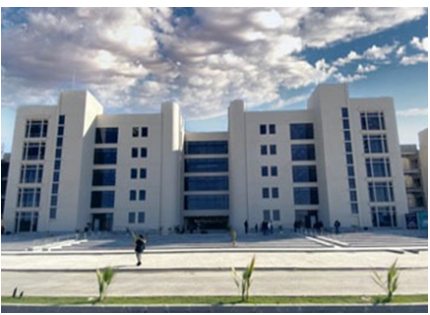
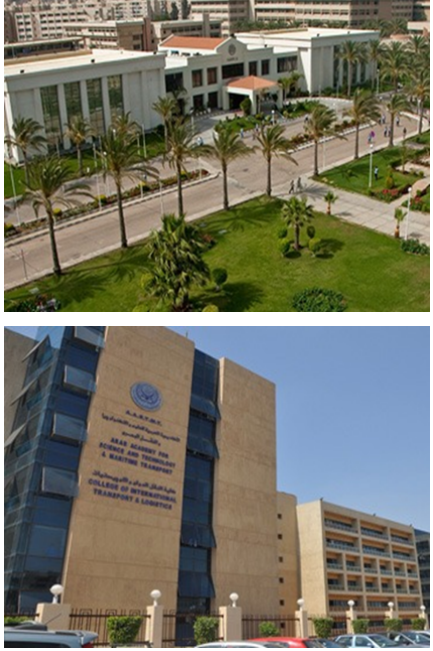
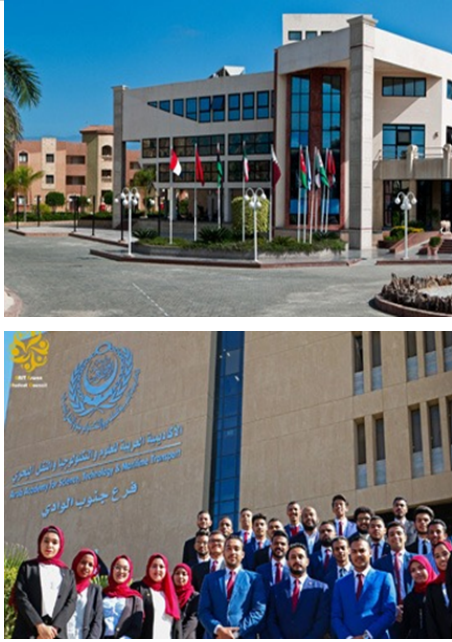
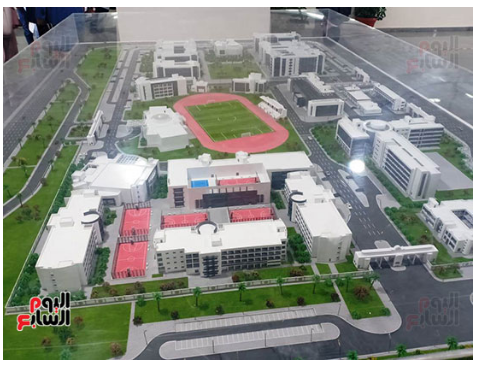
AASTMT’s multi-campus presence provides a platform for applying this approach in Alexandria (Main Campus, including Abu Qir), Cairo (Heliopolis and Smart Village), Port Said, El Alamein and Aswan (South Valley). Alexandria is a focal point for campus land-management records; Cairo’s Smart Village engineering team contributes urban planning expertise; Port Said provides a coastal-city context for regeneration; El Alamein connects academic design and municipal planning; and Aswan offers a regional context for the reuse of existing facilities. AASTMT’s South Valley campus history records the earlier conversion of Hotel School dormitories to a temporary educational campus. AASTMT’s dated 2024–2025 activities below demonstrate knowledge exchange and urban regeneration capacity.
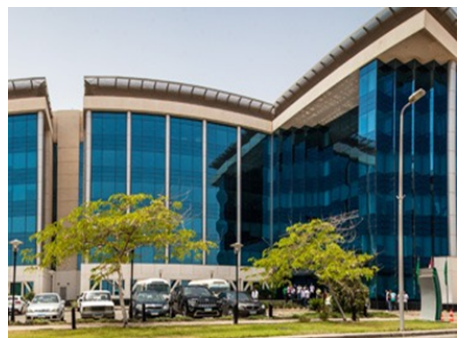
Link: https://aast.edu/en/campuses/
https://aast.edu/en/campuses/southValley/
1. Urban Planning Innovations at the World Urban Forum 12 (WUF12)
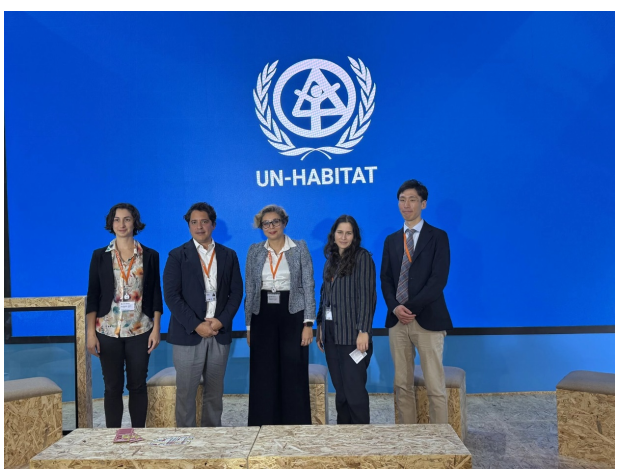
On 7th November 2024, AASTMT contributed to international dialogue on sustainable urban planning at WUF12. Its faculty shared the integration of a neighbourhood-scale design framework into university curricula, while students and faculty demonstrated the Debatable Urbs! game to foster collaborative decisions on resilient, liveable cities. AASTMT students earned second place in the forum’s urban solutions competition for their proposals addressing challenges in Al-Manial, Cairo. This documented achievement strengthens the Academy’s capacity for urban regeneration, the improvement of the urban landscape and responsible city planning.
Link:
2. Shaping the Future: Graduates Bridging Vision and Reality
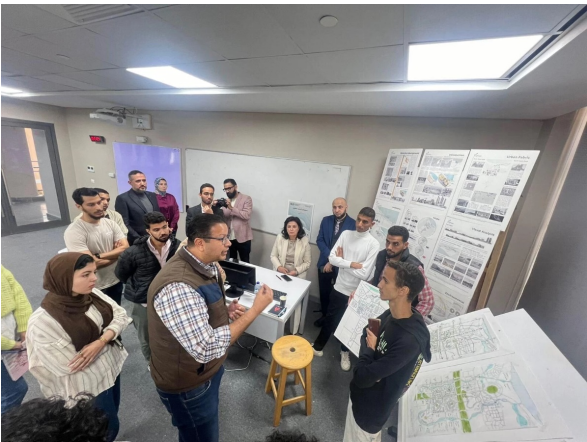
On 11 November 2024, AASTMT’s College of Engineering and Technology hosted the Head of the New Alamein City Authority and his engineering team to assess final-year architectural proposals. The session connected site analysis, master planning and design with municipal development priorities. This exchange strengthens collaboration on urban development and gives future professionals practical experience in evaluating urban land, improving the urban landscape and shaping smart cities. The published account identifies urban regeneration as a theme, but does not identify any brownfield parcel or completed construction.
Link:
https://aast.edu/en/news/news-details.php?event_type_id=1&language=1&news_id=486103537&unit_id=608
3.Campus Development – Candidate for Brownfield Verification
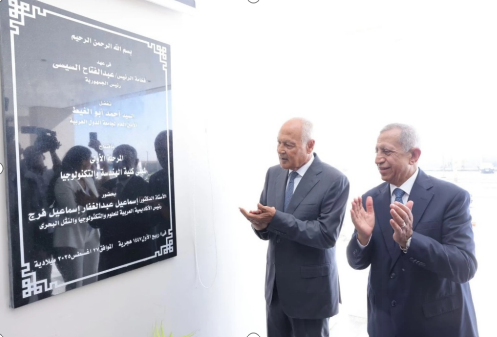
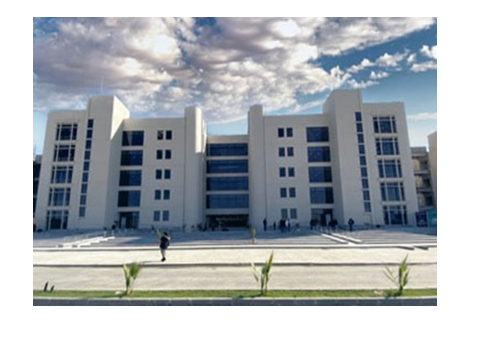
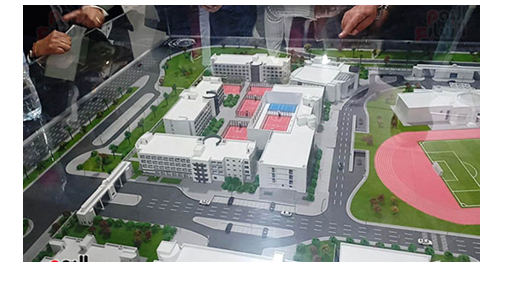
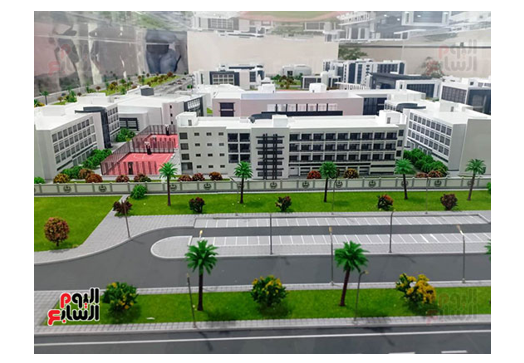
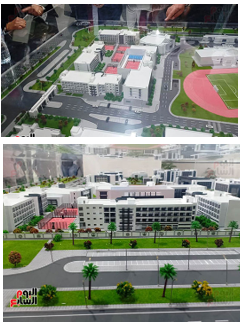
The Secretary-General of the League of Arab States inaugurated the first phase of AASTMT’s College of Engineering and Technology building at New Alamein. The inauguration demonstrates a tangible expansion of educational buildings and institutional capacity during the reporting period. Its relevance to Indicator 11.4.9 depends on establishing the former use of the land and a documented decision to prioritize previously developed urban land.
2023-2024
AASTMT is at the forefront of driving sustainable urban development and responsible land use, directly addressing the principles of "Building on brownfield sites, where possible." AASTMT has demonstrated a profound commitment to transforming underutilized, derelict, or post-industrial urban land into vibrant, productive community assets. These initiatives showcase a holistic approach that integrates advanced research, practical student projects, and community engagement to build the resilient, inclusive smart cities of tomorrow.
The Annual "Urban Regeneration & Smart Futures" Symposium
AASTMT's College of Engineering and Technology hosted its annual symposium focusing on the critical challenges of modern urban planning. A central theme 2023-2024 was the strategic redevelopment of post-industrial zones within major cities. The event brought together experts to discuss innovative techniques for site remediation, dealing with legacy solid waste and pollution, and converting these areas into mixed-use developments.
The symposium emphasized how revitalizing brownfield sites is a powerful tool for curbing urban sprawl, reducing pressure on virgin land, and enhancing the existing road network and public transport infrastructure. Keynote speakers presented case studies on projects that successfully integrated new housing developments with public parks and commercial spaces, turning neglected areas into hubs of community life and economic activity. This initiative directly supports the core of sustainable urbanization.
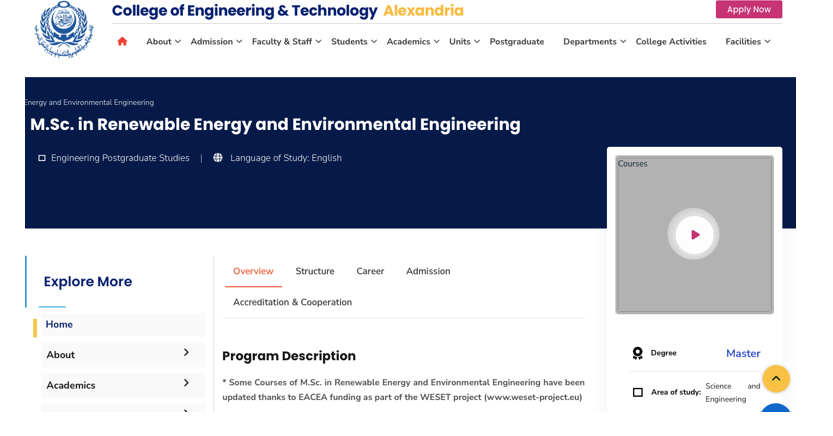
College of Engineering & Technology-Smart Village | AASTMT
Workshop on "GIS and Remote Sensing for Sustainable Site Selection"
In collaboration with international partners, AASTMT conducted a professional workshop for municipal planners and engineers on using Geographic Information Systems (GIS) to identify and prioritize brownfield sites for redevelopment. The training focused on analyzing historical land use, environmental data, and proximity to existing infrastructure like rail transit and utilities.
This initiative provides public and private sector professionals with the tools to make data-driven decisions, ensuring that redevelopment efforts are targeted where they can deliver the most significant social, economic, and environmental benefits. This capacity-building effort is crucial for implementing a systematic approach to urban regeneration and making the goal of building on brownfield sites a scalable reality for the entire region.
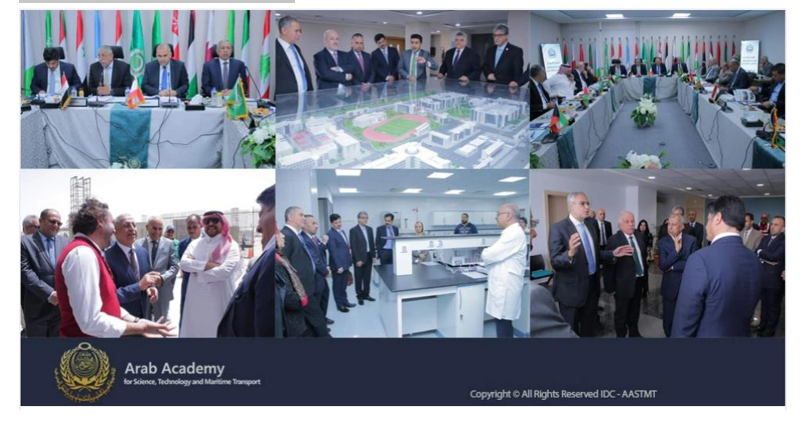
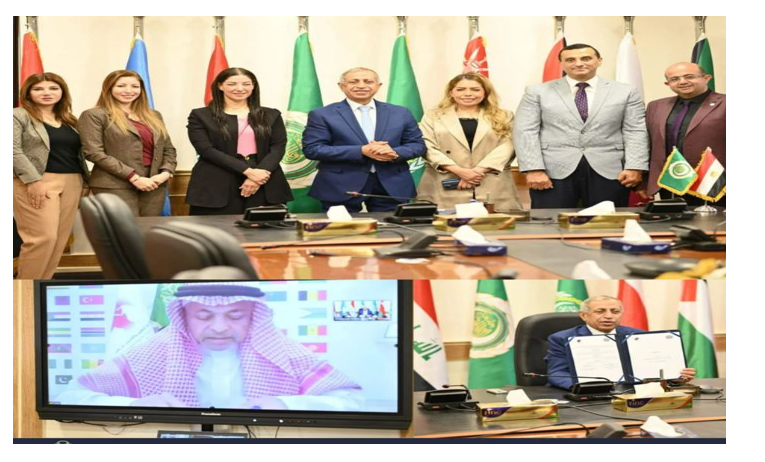
Professional Diploma in Geographic Information Sysytem (GIS) 22 - Community Service and Continuing Education
We played organizers for the Applied Remote... - AAST Astronomy Club | Facebook
Transforming Underutilized Land: AASTMT's Sustainable Campus Expansion
The institutional strategy of AASTMT demonstrates a profound commitment to sustainable urban development, which is operationalized through a policy of urban regeneration centered on brownfield site selection. This approach is a core tenet of the institution's comprehensive urban planning and city planning framework, showcasing a deliberate choice to repurpose existing urban land rather than contribute to unchecked urbanization. This policy inherently addresses legacy environmental challenges, including the remediation of land affected by pollution, solid waste, and historical sewage systems, thereby restoring the natural land cover.
Furthermore, the institution's development model is predicated on seamless integration within the broader city infrastructure. Site selection criteria rigorously evaluate connectivity to the existing road network and access to public transportation and public transport systems, promoting sustainable commuting and contributing to the creation of smart cities. This holistic planning extends to enhancing the overall urban landscape through the creation of accessible public spaces, while also considering the positive impact on the local housing market.
A critical component of this strategy is its focus on resilience and disaster prevention. The evaluation process for each site includes a thorough assessment of risks associated with natural disasters, such as vulnerability to floods and seismic activity related to earthquakes, ensuring that all new construction contributes to a safer and more resilient urban environment. Moreover, the policy mandates the preservation and thoughtful integration of any on-site cultural heritage and historical buildings, underscoring a commitment to maintaining the unique character of the community. This integrated methodology confirms that AASTMT's approach to campus development is a direct and impactful contribution to building inclusive, safe, resilient, and sustainable communities in alignment with SDG 11.

2022 - 2023
Transforming Underutilized Land: AASTMT's Sustainable Campus Expansion
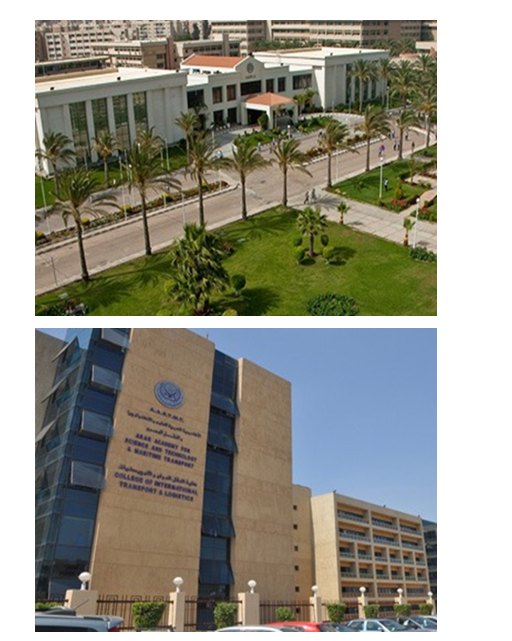
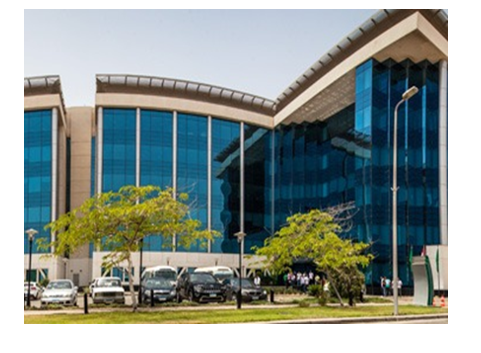
AASTMT prioritizes environmental sustainability by selecting brownfield sites for its campuses, repurposing existing land to preserve natural habitats and reduce environmental impact. This approach supports urban revitalization, transforming underutilized areas into educational hubs that contribute to regional economic and social development. By restoring degraded land, AASTMT aligns with sustainable urban planning principles, enhancing infrastructure and promoting a high quality of life for students.
Environmental Sustainability: Building on brownfield sites aligns with AASTMT's commitment to environmental sustainability. By repurposing existing land instead of developing greenfield sites, AASTMT reduces the need for additional land conversion and preserves natural habitats. This approach helps minimize the environmental impact of campus construction and promotes responsible land use.
Urban Planning and Revitalization: Selecting brownfield sites for campus locations allows AASTMT to contribute to urban revitalization efforts. By transforming underutilized or abandoned areas into educational institutions, AASTMT can help revitalize surrounding neighborhoods and contribute to the economic and social development of the region. This approach aligns with the principles of sustainable urban planning and promotes the efficient use of existing infrastructure and resources.
Restoration Potential: Brownfield sites often have the potential for restoration and remediation. By choosing these sites, AASTMT can contribute to the restoration of degraded land and address environmental challenges associated with brownfield sites.
It is important to note that the specific criteria and processes used by AASTMT to select brownfield sites for its campuses may vary. AASTMT may consider factors such as accessibility, infrastructure availability, community engagement, and regulatory requirements when evaluating potential locations. AASTMT is always interested in preserving the environment through planning and urban construction to achieve the quality of life for students.
2021 - 2022
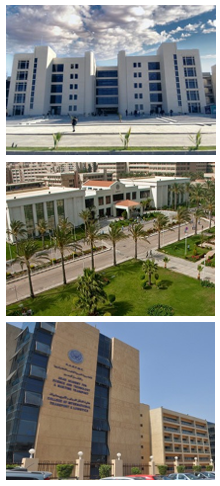
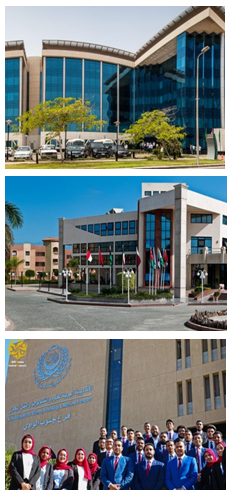
The Arab Academy for Science, Technology & Maritime Transport (AASTMT) has selected the locations of its campuses based on building on brownfield sites. AASTMT's decision to choose brownfield sites for its campuses is likely driven by several factors, including environmental sustainability, urban planning, and the potential for restoration and revitalization of these sites.
Environmental Sustainability: Building on brownfield sites aligns with AASTMT's commitment to environmental sustainability. By repurposing existing land instead of developing greenfield sites, AASTMT reduces the need for additional land conversion and preserves natural habitats. This approach helps minimize the environmental impact of campus construction and promotes responsible land use.
Urban Planning and Revitalization: Selecting brownfield sites for campus locations allows AASTMT to contribute to urban revitalization efforts. By transforming underutilized or abandoned areas into educational institutions, AASTMT can help revitalize surrounding neighborhoods and contribute to the economic and social development of the region. This approach aligns with the principles of sustainable urban planning and promotes the efficient use of existing infrastructure and resources.
Restoration Potential: Brownfield sites often have the potential for restoration and remediation. By choosing these sites, AASTMT can contribute to the restoration of degraded land and address environmental challenges associated with brownfield sites.
It is important to note that the specific criteria and processes used by AASTMT to select brownfield sites for its campuses may vary. AASTMT may consider factors such as accessibility, infrastructure availability, community engagement, and regulatory requirements when evaluating potential locations. AASTMT is always interested in preserving the environment through planning and urban construction to achieve a quality of life for students.
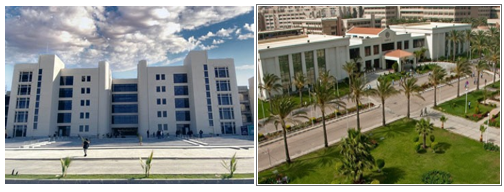
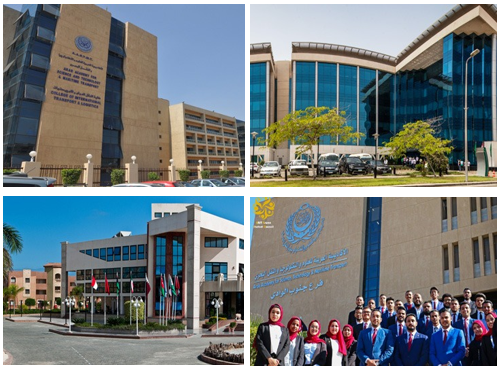
Building on Brownfield Sites on AASTMT webpage