



 Goal 15. Life on Land
AASTMT Uninvited Guests: Alien and Invasive Species 2024-2025
Download the full report (PDF)
Arab Academy for Science, Technology and Maritime Transport
Uninvited Guests
Alien and Invasive Species at AASTMT, 2024–2025
How the Arab Academy tracks species that arrive in Egypt from other seas and lands, and keeps them from harming native nature on its campuses, ships and farms.
Abu Qir Campus · El Alamein Campus · Port Said Campus · Smart Village Campus · Heliopolis Campus · South Valley Campus, Aswan · Training ships
Welcome
When nature crosses borders
Egypt sits at a crossroads of seas and continents. Since the Suez Canal opened, hundreds of Red Sea species have moved into the Mediterranean; ships carry organisms in their ballast water and on their hulls; and gardens, farms and fish ponds bring plants and animals from far away. Most are harmless, but some become invasive and threaten native species, fisheries and health.
The Arab Academy for Science, Technology and Maritime Transport (AASTMT) studies these newcomers: reading their genes at the Abu Qir Campus, training seafarers to manage ballast water and hull fouling, developing safer antifouling coatings, and turning invasive water hyacinth into useful products. In 2025 the Academy published its Policy for Reducing the Impact of Alien Species on Campus on the Sustainable AASTMT website. This publication brings together the work of 2024 and 2025, with the date of every piece of work and the AASTMT campus that led it.
At a glance
|
28 Mar 2024 goldband goatfish invasion traced with DNA by AASTMT (2024) |
2 student products made from invasive water hyacinth: antifouling paint and animal feed (2024) |
3 ballast water training courses in the AASTMT catalogue |
2025 year AASTMT published its alien species policy |
|---|---|---|---|
|
2 spreading ornamentals kept in managed beds at the Abu Qir Campus |
210 members of the Enactus AAST Sheraton team behind “Aquatica” (2024) |
8 species and groups on AASTMT’s alien species watch list |
13–15 Jul AquaVET kick-off meeting at the El Alamein Campus (2025) |
01 · Understanding the problem
Alien, invasive and native
AASTMT uses the definitions of the International Union for Conservation of Nature (IUCN).
|
Alien species A species, subspecies or lower taxon introduced outside its natural past or present range, including any part, seed, egg or propagule that might survive and reproduce. |
Invasive alien species An alien species whose introduction or spread threatens biological diversity. |
|---|---|
|
Native species A species that occurs naturally in Egypt within its natural range. |
Pathway The route by which a species is moved: canals, ballast water, hull fouling, the plant and pet trade, soil or aquaculture. |
How alien species reach Egypt and our campuses
| Pathway | Example | Where AASTMT works on it |
|---|---|---|
| The Suez Canal | Red Sea fish such as the silver-cheeked toadfish, goldband goatfish and squirrelfish now living in the Mediterranean | Fisheries research at the Abu Qir Campus |
| Ballast water and hull fouling | Plankton, larvae and fouling organisms carried between seas by ships | Maritime training, antifouling research, training ships |
| Ornamental plants | Spreading garden plants such as creeping oxeye and Mexican petunia | Abu Qir Campus nurseries and landscaping |
| Aquaculture | Farmed fish from other regions, such as the striped catfish | Aquaculture training and research |
| Waterways | Floating weeds such as water hyacinth in the Nile and canals | Research on reuse and control |
02 · Timeline
Two years of work, 2024–2025
From the genes of a Red Sea goatfish to a new programme on aquatic animal health at the El Alamein Campus, these are the dated milestones of 2024 and 2025.
| 28 Mar 2024 | Goldband goatfish shows signs of a small founding population after invading from the Red Sea | Abu Qir Campus |
|---|---|---|
| 21 Apr 2024 | Students develop an eco-friendly antifouling coating from invasive water hyacinth | Abu Qir Campus |
| 4 Sep 2024 | Enactus “Aquatica” turns water hyacinth leaves into animal feed | Heliopolis Campus |
| 28 Nov 2024 | Fisheries students learn how alien Basa (pangasius) catfish are bred in contained farms | Abu Qir Campus |
| 30 Mar 2025 | Environmental impact of the biocide Irgarol 1051 on marine microalgae published | Abu Qir Campus |
| 13–15 Jul 2025 | AquaVET project on aquatic animal health launched | El Alamein Campus |
| 2025 | Policy for Reducing the Impact of Alien Species on Campus published (SDG 15.3.4) | All campuses |
03 · Lessepsian species on Egypt’s coast
Newcomers in the Mediterranean
More Red Sea species have entered the Mediterranean through the Suez Canal than through any other route. Fisheries scientists of the AASTMT Abu Qir Campus record and study them as they arrive on Egypt’s coast.
|
28 Mar 2024 · Across the Nile Delta outflow Goatfish genes tell the story of an invasion Reda Magdy Fahim of AASTMT, with colleagues in Egypt, Japan and Australia, compared the genes of two native Mediterranean goatfish with the goldband goatfish (Upeneus moluccensis), a Red Sea migrant. The newcomer had lower genetic diversity, pointing to a small founding population after its invasion, and the Nile outflow was no barrier to its spread along Egypt’s coast. Key figures Two DNA markers (COI and cytochrome b); three species compared. Published in: Egyptian Journal of Aquatic Research |
|---|
The College of Fisheries and Aquaculture Technology at the Abu Qir Campus also studies tetrodotoxin, the toxin of the invasive silver-cheeked toadfish, to protect consumers and manage its impact on the ecosystem.
04 · An academy of the sea
Ships, ballast water and hull fouling
Ships are among the main carriers of alien species between seas. As the region’s leading maritime academy, AASTMT trains seafarers to stop them, and studies coatings that keep hulls clean without poisoning the sea.
|
Ongoing · AASTMT Integrated Simulator Complex and Marine Simulators Systems Department, Cairo Training seafarers to manage ballast water AASTMT offers courses in Ballast Water Management Program and Treatment and in Ballast Water Operations, preparing officers to apply the IMO Ballast Water Management Convention so that ships do not release organisms from one sea into another. AASTMT’s alien species policy applies the same convention and the IMO Biofouling Guidelines to its own training ships. Key figures Three ballast water courses in the AASTMT catalogue. Read more: AASTMT training courses |
|---|
|
30 Mar 2025 · College of Maritime Transport and Technology, Abu Qir Campus Safer antifouling for a living sea Antifouling paints stop organisms from growing on hulls, but some biocides harm marine life. Mona I. A. Kaamoush and colleagues tested the biocide Irgarol 1051 and copper on the marine algae Chlorella salina, Dunaliella bardawil and Dunaliella salina, measuring their effects on growth and essential metabolites, evidence for choosing antifouling systems that protect both ships and the sea. Key figures Latest study published 30 March 2025. Published in: Journal of Marine Science and Engineering (2025) |
|---|
|
21 Apr 2024 · Abu Qir Campus Turning an invader into a solution A graduation project of the College of Fisheries and Aquaculture Technology assessed the antifouling paints used on fishing vessels in Abu Qir Bay and developed an eco-friendly antifouling solution from the extract of water hyacinth, one of the world’s worst invasive water plants. It was shown at the Bibliotheca Alexandrina on the International Day of Innovation and Creativity. Read more: AASTMT news |
|---|
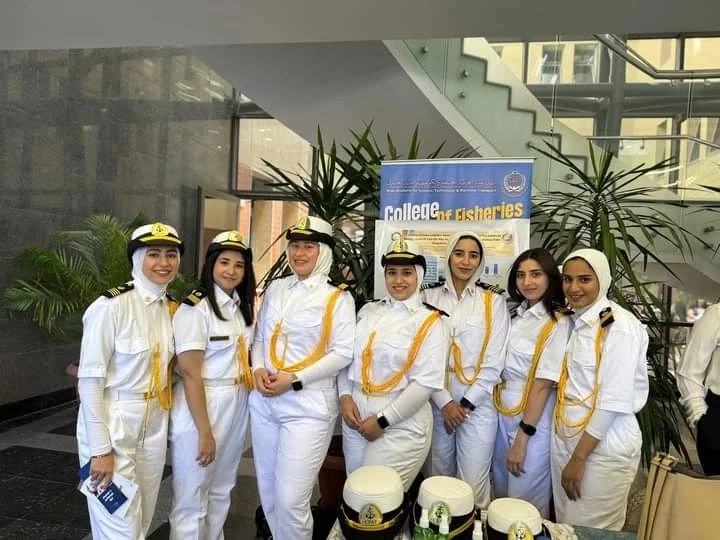
Students presenting the water hyacinth antifouling project, April 2024.
05 · From Abu Qir to Aswan
Keeping our campuses native
On land, AASTMT works to keep invasive plants and pests out of its gardens, and to plant species suited to Egypt’s climate.
 |
 |
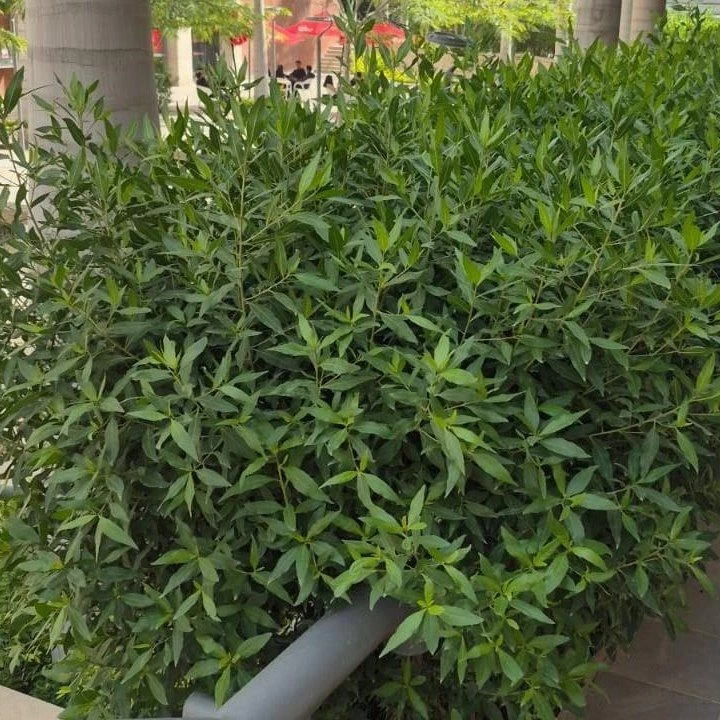 |
|---|---|---|
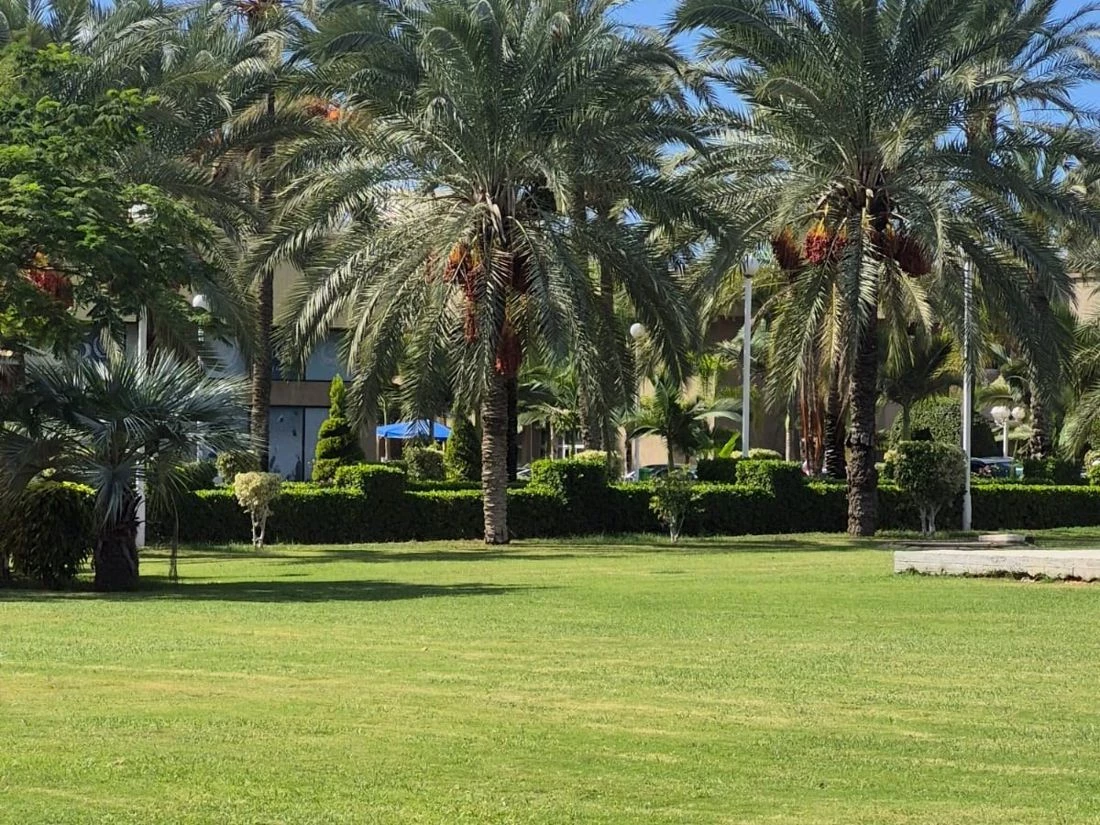
| Date palms at the Abu Qir Campus Watched for the red palm weevil |
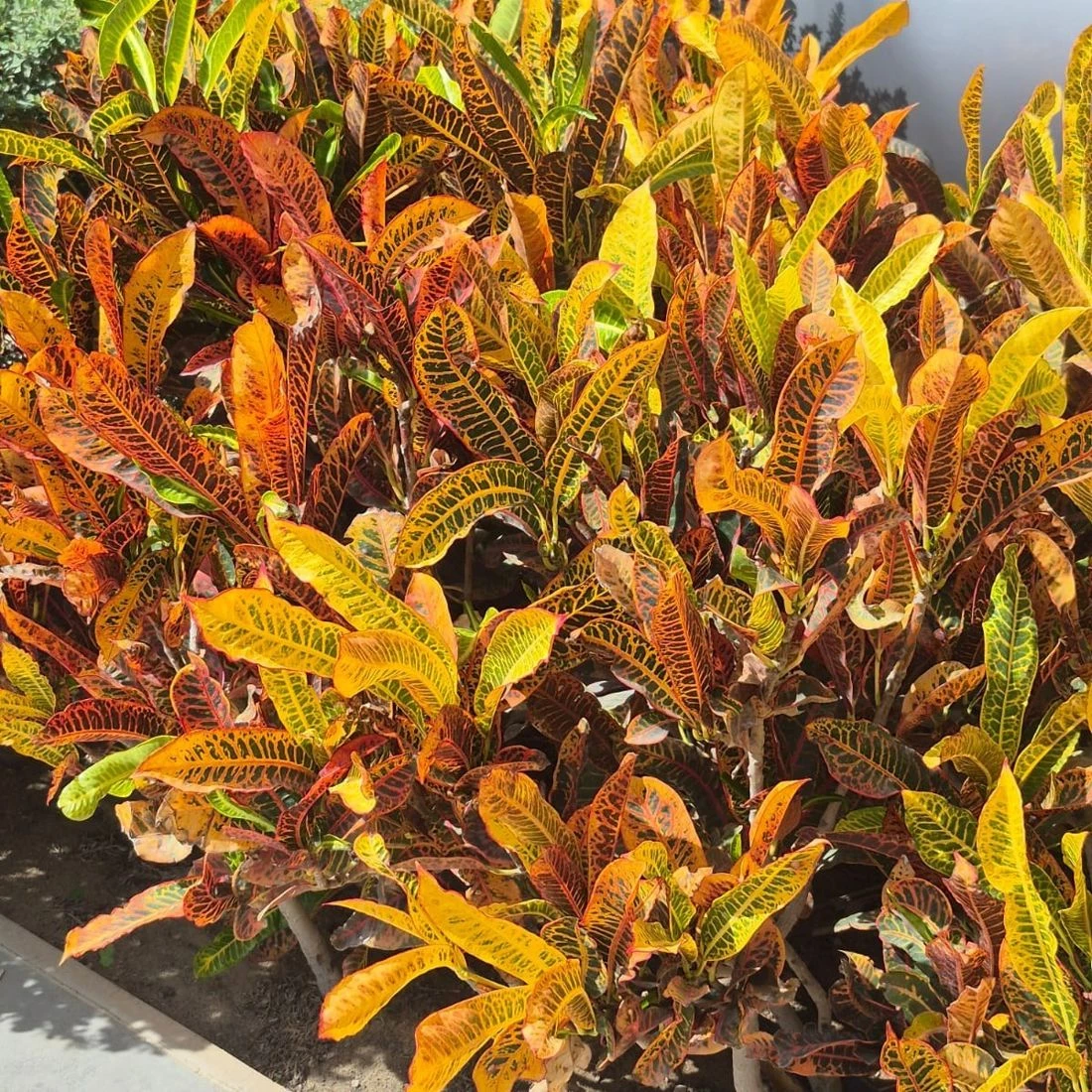
Garden croton An ornamental kept in managed beds |
Clipped hedges Grown in the campus nurseries |
|
13 May 2024 and 12 May 2025 · Abu Qir Campus planting nurseries Growing our own plants AASTMT raises the trees, shrubs and ground cover for its campuses in its own nurseries at the Abu Qir Campus, inspected by the AASTMT President, Prof. Dr. Ismail Abdel Ghaffar, on 13 May 2024 and 12 May 2025. Growing our own stock limits the plants, soil and pests brought in from outside, one of the main ways alien species reach a campus. Read more: AASTMT news, May 2025 |
|---|
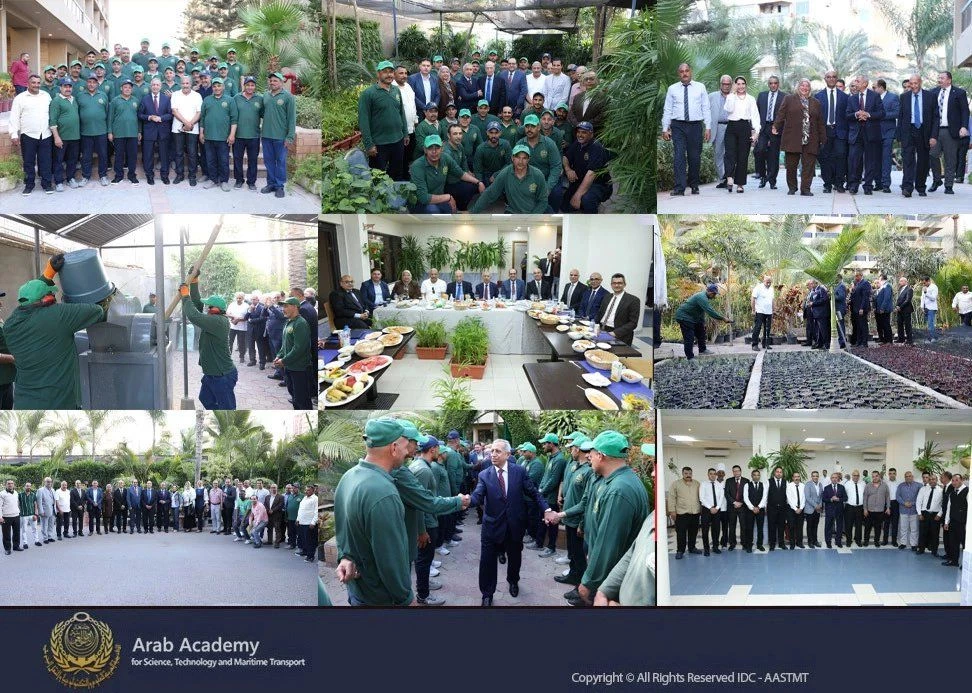
The AASTMT planting nurseries at the Abu Qir Campus, May 2025.
|
Ongoing · All campuses Native, drought-tolerant landscaping Campus green areas are landscaped with native, drought-tolerant plants and watered by drip irrigation, and green waste is composted on campus rather than dumped, so that garden plants cannot escape into natural areas. Read more: UI GreenMetric: Smart irrigation and sustainable landscaping |
|---|
|
4 Sep 2024 · Heliopolis Campus (Enactus AAST Sheraton) From invasive weed to animal feed The 210-member Enactus AAST Sheraton student team developed “Aquatica”, a feed for fish, poultry and livestock that uses water hyacinth leaves with fish and corn waste, turning an invasive weed of the Nile and canals into a useful product. Key figures 210 team members. Read more: AASTMT news |
|---|
At the El Alamein, Smart Village, Heliopolis, Port Said and South Valley (Aswan) campuses, the same rules apply: plants come from the AASTMT nurseries or certified suppliers, new planting favours native and drought-adapted species, and suspected invasive plants or pests are reported to the Sustainability Office.
06 · Keeping alien organisms contained
Fish farms, laboratories and biosecurity
Fish farms and laboratories can release alien species and diseases if they are not well managed. AASTMT trains its students and staff to keep them contained.
|
28 Nov 2024 · Abu Qir Campus field visit How an alien fish is farmed safely Fisheries students of the Abu Qir Campus visited a Basa (pangasius catfish) farm and hatchery in the 21st-kilometre area, a South-East Asian fish alien to Egypt, and an intensive fish farm in Borg El Arab on 28 November 2024, guided by aquaculture expert Dr. Khaled Kamoun, to learn how introduced species are bred and raised in contained systems. Read more: AASTMT news |
|---|
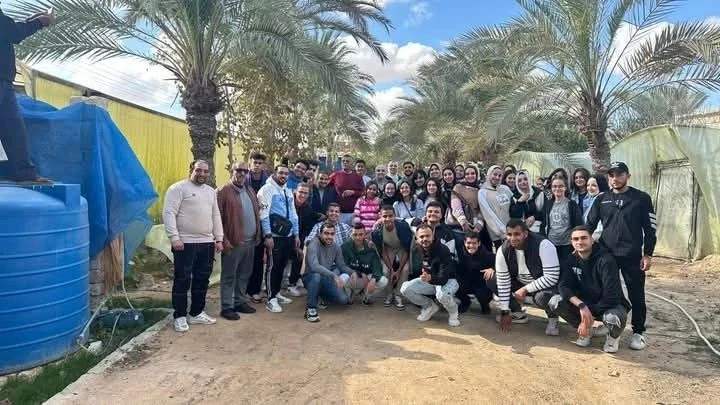
Fisheries students at the striped catfish farm and hatchery, November 2024.
|
13–15 Jul 2025 · El Alamein Campus AquaVET: healthy fish, healthy ecosystems AASTMT is a partner in AquaVET, an Erasmus+ project creating the first interdisciplinary MSc in Aquatic Animals Medicine and Ecosystem Health in Egypt and Nigeria. Its kick-off meeting was held at the El Alamein Campus on 13–15 July 2025. Read more: AASTMT news |
|---|
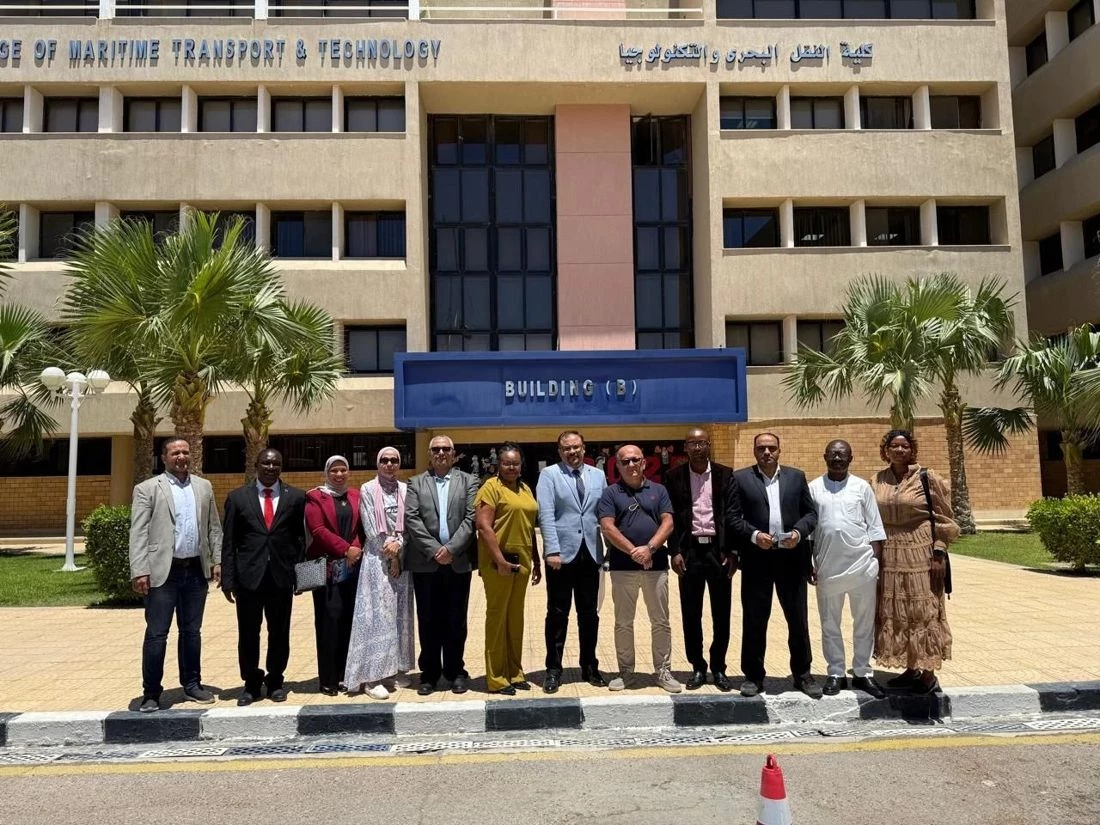
AquaVET kick-off meeting at the AASTMT El Alamein Campus, July 2025.
|
Over 12 years · Aquaculture Research Center, Abu Qir Campus Closed systems The Aquaculture Research Center has grown fish and vegetables for more than twelve years in closed hydroponic and aquaponic systems that reuse water and keep every organism inside. Key figures Up to 90% less water than conventional farming. |
|---|
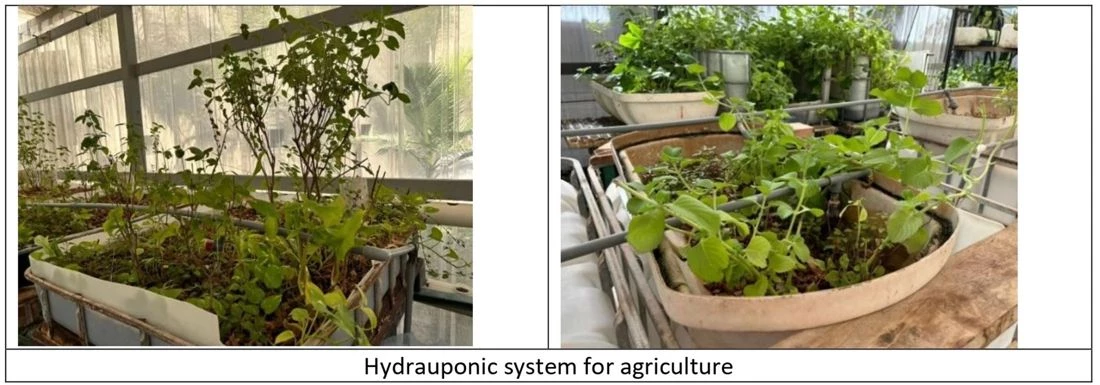
Closed hydroponic growing at the Aquaculture Research Center, Abu Qir Campus.
07 · Policy and the years ahead
Our watch list and our promise
In 2025 AASTMT published its Policy for Reducing the Impact of Alien Species on Campus on the Sustainable AASTMT website (SDG 15.3.4). It follows four steps: prevent, detect early, respond and restore.
| Species | Type | What AASTMT does |
|---|---|---|
| Creeping oxeye (Sphagneticola trilobata) | Ornamental ground cover; IUCN 100 worst list | Contained in beds at the Abu Qir Campus; no new planting; replaced with native ground cover by 2028 |
| Mexican petunia (Ruellia simplex) | Ornamental flowering plant | Contained; seed heads removed; no new planting; replaced by 2028 |
| Lantana (Lantana camara) | Ornamental shrub; IUCN 100 worst list | Not planted on any campus |
| Water hyacinth (Pontederia crassipes) | Floating water plant; IUCN 100 worst list | Never grown; studied for reuse |
| Red palm weevil (Rhynchophorus ferrugineus) | Insect pest of palms | Seasonal inspection of campus palms and traps |
| Silver-cheeked toadfish (Lagocephalus sceleratus) | Toxic Red Sea fish in the Mediterranean | Recorded in research and training; never released |
| Striped catfish (Pangasianodon hypophthalmus) | Farmed fish from South-East Asia | Studied only in contained systems |
| Organisms in ballast water and on hulls | Plankton, larvae and fouling organisms | Ballast water management and hull cleaning on training ships |
|
Prevent Plants from our own nurseries or certified suppliers, deliveries inspected, no invasive species planted, alien fish kept in closed systems, ballast water and hulls managed on our ships. |
Detect early Yearly plant surveys on every campus, seasonal checks of trees and palms, AI mapping of green areas, and reports from students and staff. |
|---|---|
|
Respond New invasions removed within 30 days, established spreaders contained, integrated pest management, and safe disposal of removed plants. |
Restore Cleared areas replanted with native and drought-adapted species suited to each region, such as Mediterranean saltbush and Nile tamarisk on the coast, and Nile acacia and desert date in Aswan. |
01 A survey of every campus by 2027
Starting with the Abu Qir Campus, every AASTMT campus will check its green areas for alien and invasive species.
02 AI on the ground
Artificial intelligence will be used to map campus green areas from the air.
03 Clean ships, clean seas
Ballast water and hull fouling will be managed on every AASTMT training ship.
04 Science for the Mediterranean
Our fisheries scientists will keep recording and studying Lessepsian species off Egypt’s coast.
05 Open reporting
A yearly summary of alien species found, removed and contained will be published on the AASTMT website.
Reporting period: January 2024 – December 2025. Published by the Arab Academy for Science, Technology and Maritime Transport (AASTMT). Photographs: AASTMT.