

 Goal 8. Decent Work and Economic Growth
8.2.7 Tracking pay scale for gender equity

2024–2025
Tracking gender pay equity at the Arab Academy for Science, Technology and Maritime Transport (AASTMT) is directly aligned with the objectives of Sustainable Development Goal 8 (SDG 8), which advocates for sustained, inclusive, and sustainable economic growth, productive employment, and decent work for all. Within the framework of Egypt’s Sustainable Development Strategy—Egypt Vision 2030—significant emphasis is placed on ensuring high-quality education and training that is free from discrimination, while empowering citizens and fostering institutional diversity.
AASTMT’s commitment to gender equality is also grounded in the principles of the Egyptian Constitution, which mandates equal rights, opportunities, and representation for women across all sectors, including higher education and employment. By systematically monitoring gender pay equity, the university reinforces SDG 8’s core values of fairness, non-discrimination, and equal pay for equal work.
This commitment not only advances workplace justice and inclusivity within AASTMT but also contributes to the broader national and global agenda of building resilient institutions, promoting decent work environments, and supporting sustainable socio-economic development as envisioned by the United Nations.
Tracking Gender Pay equity in Arab Academy for Science, Technology and Maritime Transport
Egypt’s Sustainable Development Strategy—Egypt Vision 2030—emphasizes the creation of a high-quality, inclusive, and non-discriminatory education and training system. This national vision stresses the importance of equipping all learners with advanced technical, technological, and creative skills, enabling them to become responsible, competitive, and innovative citizens who embrace diversity and contribute meaningfully to Egypt’s economic and social future. These national aspirations directly correspond with Sustainable Development Goal 8 (SDG 8), which promotes sustained, inclusive, and sustainable economic growth; full and productive employment; and decent work for all.
Aligned with this national and global agenda, the Arab Academy for Science, Technology and Maritime Transport (AASTMT) demonstrates a strong institutional commitment to gender equality, social inclusion, and decent work conditions. As mandated by Article 11 of the Egyptian Constitution, the state is obligated to ensure equality between men and women in all civil, political, economic, social, and cultural rights. The article explicitly guarantees:
- Equal rights and opportunities without gender discrimination.
- Equitable representation of women in public institutions and parliament.
- Women’s right to hold public positions, senior management roles, and judicial posts.
- State protection against all forms of violence.
- Institutional support for women’s empowerment, motherhood, childhood, and care responsibilities.
These constitutional principles reinforce several SDG 8 targets, particularly:
- SDG 8.5: Achieving equal pay for work of equal value.
- SDG 8.8: Protecting labour rights and ensuring a safe and inclusive working environment for all workers, especially women.
- SDG 8.3: Promoting inclusive and productive employment.
AASTMT also aligns with United Nations statements affirming that equal access for women and girls to education, health care, and decent work fuels sustainable economic growth and enhances societal well-being. Since its establishment, AASTMT has prioritized gender equality and fairness across staff recruitment, development, and compensation.
Commitment to Gender Pay Equity and Decent Work
AASTMT is firmly committed to tracking gender pay equity, ensuring that all staff—regardless of gender—receive fair, transparent, and equitable compensation. The university maintains a strict non-discrimination policy across all departments and job categories. Salaries at AASTMT follow a transparent institutional pay scale, as outlined in the Executive Regulations for AASTMT employees. This scale ensures that salary decisions are made solely based on qualifications, responsibilities, and professional performance, thereby eliminating gender-based or demographic bias.
This approach directly advances SDG Target 8.5, which calls for equal pay for work of equal value, and SDG Target 8.8, which promotes safe, fair, and inclusive workplaces free from discrimination.
Procedures for Tracking Gender Pay Equity at AASTMT
AASTMT applies systematic, evidence-based procedures to track and promote gender pay equity as part of its commitment to SDG 8. These include:
- Data Collection and Analysis
AASTMT routinely collects salary and compensation data, categorized by gender, role, rank, and department. This ensures a comprehensive, accurate view of compensation dynamics and supports SDG 8’s emphasis on transparency and labour equity.
- Job Evaluation and Classification
A standardized evaluation system is used to classify jobs based on skill level, responsibilities, and complexity. This process reduces gender bias and ensures equal valuation of comparable roles in alignment with the SDG 8 principle of equitable employment practices.
- Pay Gap Analysis
Regular analysis is conducted to identify gender pay gaps using median and average salary comparisons for equivalent positions. This contributes to fulfilling SDG 8.5 by ensuring that discrepancies are systematically identified and corrected.
- Identifying and Addressing Disparities
When disparities are discovered, AASTMT investigates underlying causes—such as inconsistent starting salaries or differences in promotion rates—and implements corrective actions. These may include salary adjustments, policy revisions, or improved promotion pathways, contributing to inclusive economic participation under SDG 8.
- Regular Monitoring and Reporting
Gender pay equity is treated as a continuous institutional priority. Regular monitoring ensures that the university remains aligned with SDG 8’s targets for sustained, inclusive workplace practices.
- Communication and Transparency
AASTMT communicates its gender equity commitments openly to staff and stakeholders, reinforcing trust and institutional accountability—key principles underpinning SDG 8 and the UN ethos of decent work.
- Legal and Policy Compliance
The university ensures full compliance with Egyptian labour laws, constitutional rights, and international standards related to gender equality and equal pay, ensuring alignment with SDG 8’s global framework.
- Training and Awareness
AASTMT conducts training for staff and management to raise awareness about gender bias, equal pay principles, and fair compensation practices. This promotes a culture of inclusivity and professionalism consistent with SDG 8’s call for decent work environments.
Through its constitutional alignment, national development commitments, and rigorous internal monitoring systems, AASTMT plays an active role in advancing SDG 8’s core themes of decent work, equal pay, inclusive growth, and non-discrimination. By empowering women, ensuring compensation equity, and fostering an inclusive institutional culture, the university contributes meaningfully to Egypt’s Vision 2030 and the global UN Sustainable Development Agenda.
These procedures represent the steps that AASTMT currently takes to track and address gender pay equity within the organization. Please note that specific details and processes may evolve based on the institution's ongoing practices and policies.
Please refer to the AASTMT Pay Scale Equity Employment Policy at the following link:
https://aast.edu/en/sdg/goals.php?unit_item=1208&page_id=120800002 on AASTMT webpage
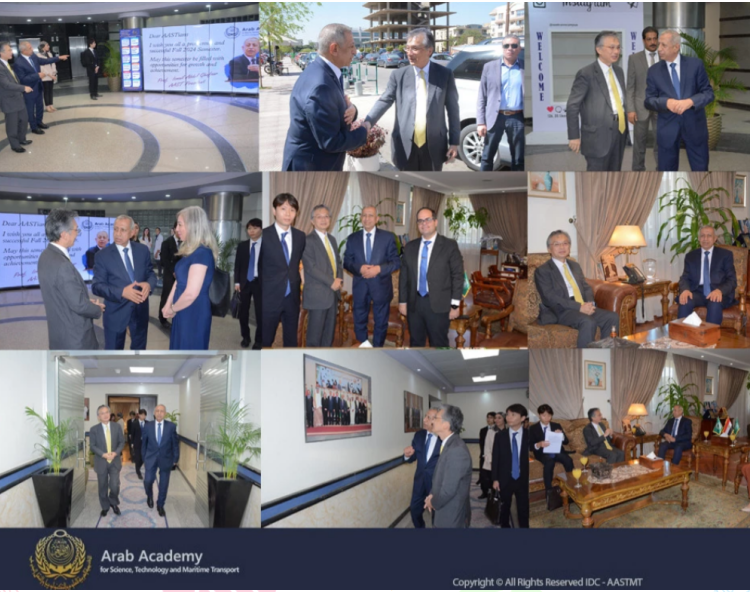
AASTMT Promotes Gender Equality, Anti-Discrimination Against Women, and Pay Scale Equity in Alignment with SDG 8 During Japanese Ambassador's Visit
Date: 10 October 2024
The Arab Academy for Science, Technology and Maritime Transport (AASTMT) reaffirmed its commitment to promoting gender equality, combating discrimination against women, and strengthening equitable employment practices in alignment with Sustainable Development Goal 8 (Decent Work and Economic Growth) during the official visit of H.E. Mr. Oka Hiroshi, Ambassador of Japan to Egypt, to AASTMT's Heliopolis Campus on 9 October 2024. The Ambassador and his accompanying delegation were welcomed by H.E. Prof. Dr. Ismail Abdel Ghafar Ismail Farag, President of AASTMT, in the presence of senior Academy officials. The visit focused on strengthening international academic cooperation, expanding institutional partnerships, and exchanging knowledge and best practices with Japanese educational institutions. Within the broader context of international collaboration, the event provided an opportunity to highlight the importance of inclusive institutional governance, equal professional opportunities, and fair employment practices that support women's participation and advancement in the workplace. These principles are closely aligned with SDG 8, particularly Indicator 8.2.7 (Tracking Pay Scale for Gender Equity), which emphasizes the importance of monitoring remuneration practices, identifying potential gender-based pay disparities, and promoting transparent and equitable compensation systems. AASTMT recognizes that preventing discrimination against women requires institutional commitment to equal treatment in recruitment, career development, promotion, and remuneration, supported by systematic monitoring of pay scales and employment conditions. International academic partnerships can contribute to these objectives by facilitating the exchange of knowledge on gender-responsive human resource policies, non-discriminatory employment practices, and institutional accountability. During the visit, the Academy's President presented AASTMT's international agreements, academic collaborations, and student exchange programmes, while the delegation toured the Heliopolis Campus to explore its educational facilities and institutional capabilities. Although the visit primarily focused on academic cooperation, it reflects AASTMT's broader commitment to international engagement and continuous institutional improvement, creating opportunities to strengthen practices that advance gender equality, women's professional empowerment, anti-discrimination, and pay scale equity. Through such international initiatives, AASTMT continues to support the principles of decent work, equal opportunity, and fair treatment, reinforcing its commitment to the objectives of SDG 8 and the development of an inclusive and equitable working environment.
For more information, please visit:
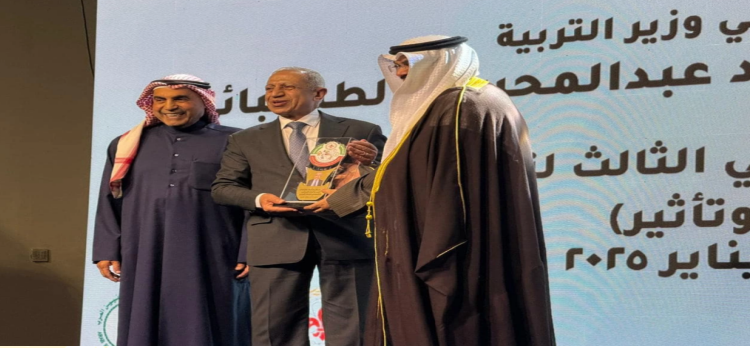
AASTMT Promotes Anti-Discrimination Against Women, Gender Equality, and Pay Scale Equity in Alignment with SDG 8 through Recognition at the Third International Scout Forum in Kuwait
Date: 14 January 2025
The Arab Academy for Science, Technology and Maritime Transport (AASTMT) reaffirmed its commitment to promoting gender equality, combating discrimination against women, and supporting equitable educational and professional opportunities in alignment with Sustainable Development Goal 8 (Decent Work and Economic Growth) through the recognition of H.E. Prof. Dr. Ismail Abdel Ghaffar Ismail Farag, President of AASTMT, during the Third International Scout Forum for Youth Empowerment, held in Kuwait from 11 to 17 January 2025. H.E. Eng. Sayed Jalal Al-Tabtabaei, Minister of Education in the State of Kuwait, honoured the Academy's President in recognition of his distinguished contributions, sustained efforts, and dedication to youth empowerment and leadership development. The international forum brought together prominent scout leaders from Arab countries and around the world, alongside Arab parliamentarians and founders of the Arab Union of Scout Leaders, providing an important platform for strengthening international cooperation, encouraging inclusive youth participation, and promoting equal opportunities for future generations. This recognition reflects AASTMT's broader institutional commitment to developing young people's capabilities while supporting an inclusive environment in which women and men can access educational, leadership, and professional development opportunities without discrimination. In particular, the initiative aligns with the wider principles of SDG 8, particularly Indicator 8.2.7 (Tracking Pay Scale for Gender Equity), which emphasizes the importance of transparent remuneration systems, monitoring gender-based salary differences, and ensuring equitable compensation for employees performing comparable work. AASTMT recognizes that combating discrimination against women extends beyond educational access to encompass fair recruitment, equal career advancement opportunities, non-discriminatory promotion practices, and equitable remuneration. International youth empowerment initiatives provide valuable opportunities to reinforce these principles by encouraging inclusive leadership, challenging gender stereotypes, and promoting institutional cultures that value diversity, fairness, and professional equality. Although the forum primarily focused on youth empowerment and leadership development rather than employee compensation or gender pay monitoring, the recognition of AASTMT's contributions highlights its broader engagement with values that support gender equality and responsible institutional governance. Through continued participation in international initiatives, AASTMT reinforces its commitment to women's empowerment, anti-discrimination, equal professional opportunities, and the principles of pay scale equity, contributing to the advancement of decent work, inclusive economic participation, and sustainable development under SDG 8.
For more information, please visit:
AASTMT Promotes Anti-Discrimination Against Women, Gender Equality, and Pay Scale Equity in Alignment with SDG 8 through the Visit of the IMO Secretary-General
Date: 22 January 2025
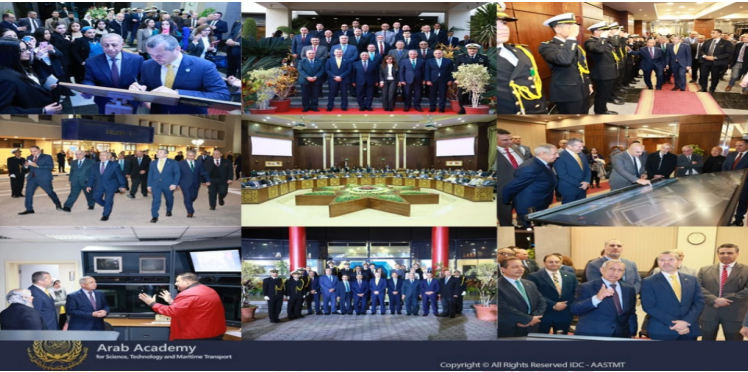
The Arab Academy for Science, Technology and Maritime Transport (AASTMT) reaffirmed its commitment to promoting gender equality, combating discrimination against women, and supporting equitable employment practices in alignment with Sustainable Development Goal 8 (Decent Work and Economic Growth) through the official visit of H.E. Mr. Arsenio Antonio Dominguez, Secretary-General of the International Maritime Organization (IMO), to its AbuKir Campus in Alexandria on 20 January 2025. The distinguished guest was welcomed by H.E. Prof. Dr. Ismail Abdel Ghaffar Ismail Farag, President of AASTMT, as part of the Academy's ongoing efforts to strengthen international maritime cooperation, promote professional excellence, and exchange institutional best practices. During the meeting, both parties explored opportunities for academic and professional collaboration, while the visit included an inspection tour of AASTMT's advanced educational facilities and maritime training infrastructure. The Academy's President presented an overview of its educational and professional training programmes, highlighting their contribution to developing qualified graduates capable of meeting the evolving requirements of the international maritime labour market. The IMO Secretary-General commended AASTMT's professionalism, modern facilities, educational standards, and commitment to maritime education and training. Beyond its academic and professional significance, the visit reflects the importance of international cooperation in supporting inclusive institutional practices, particularly those aimed at eliminating gender-based discrimination and strengthening women's participation in traditionally male-dominated industries such as maritime transport. These principles are closely associated with SDG 8, particularly Indicator 8.2.7 (Tracking Pay Scale for Gender Equity), which emphasizes transparent remuneration practices, systematic monitoring of salary differences between female and male employees, and the identification and prevention of gender-based pay disparities. AASTMT recognizes that promoting women's professional empowerment requires equal access to maritime education, training, recruitment, career advancement, leadership opportunities, and fair compensation. International collaboration with maritime organisations such as the IMO can facilitate knowledge exchange concerning gender-responsive employment policies, equitable human resource management, and institutional accountability. Although the Secretary-General's visit primarily addressed maritime education, professional training, and international cooperation rather than gender pay monitoring, it provides a broader context for strengthening institutional engagement with international principles of equality and non-discrimination. Through its continued international partnerships, AASTMT reinforces its commitment to anti-discrimination against women, gender equality, equal professional opportunities, and pay scale equity, supporting the development of an inclusive maritime workforce and contributing to the wider objectives of decent work and sustainable economic growth under SDG 8.
For more information, please visit:
AASTMT Expands Scientific Publishing Horizons while Championing Inclusive Academic Growth and Equitable Professional Recognition
Date: 18 March 2025
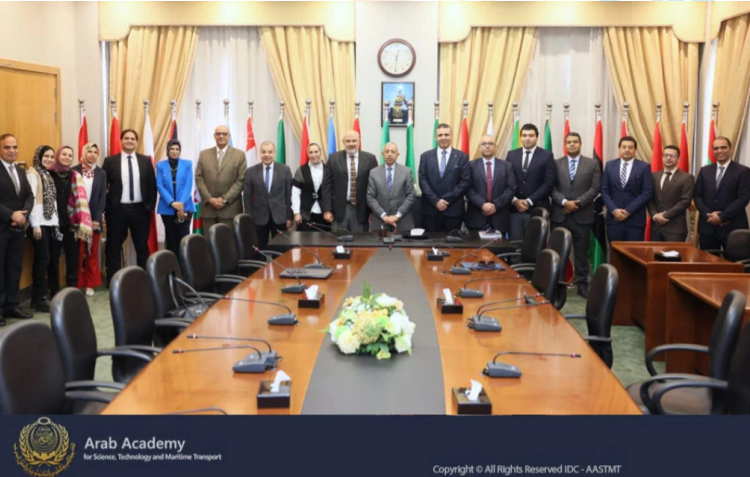
The Arab Academy for Science, Technology and Maritime Transport (AASTMT) reinforced its commitment to academic excellence, scientific innovation, inclusive professional development, and equitable institutional practices through the official launch of two new scientific journals by the Academy Publishing Center (APC) on 16 March 2025. The event was attended by H.E. Prof. Dr. Ismail Abdel Ghaffar Ismail Farag, President of AASTMT, alongside H.E. Prof. Dr. Yousry El-Gamal, former Minister of Education and AASTMT Vice President, as well as distinguished deans, academic staff members, and institutional representatives. The newly launched journals, Robotics: Integration, Manufacturing & Control and Multidisciplinary Adaptive Climate Insights Journal, expanded the Academy Publishing Center's portfolio from seven to nine scientific periodicals, demonstrating AASTMT's continued investment in research infrastructure, academic publishing, and international knowledge dissemination. During the ceremony, the Academy's President commended the Publishing Center's achievements, particularly the indexing of several journals in Scopus, emphasizing the importance of research quality, academic productivity, and international recognition. Beyond advancing scientific publishing, this initiative reflects the importance of fostering an inclusive academic environment in which researchers, particularly women, can access equal opportunities for scholarly participation, professional recognition, editorial responsibilities, and career advancement. In alignment with Sustainable Development Goal 8 (Decent Work and Economic Growth), AASTMT recognizes that sustainable academic development depends not only on research productivity but also on fair employment practices, the elimination of gender-based discrimination, and equitable recognition of professional contributions. These principles are closely connected to Indicator 8.2.7 (Tracking Pay Scale for Gender Equity), which emphasizes the importance of transparent remuneration structures, gender-disaggregated salary assessments, and systematic monitoring of potential compensation disparities between female and male employees. Expanding academic publishing opportunities can contribute to a more equitable professional environment by supporting merit-based recognition, strengthening women's participation in research leadership, and encouraging fair access to academic development opportunities. Furthermore, institutional approaches that combine transparent career progression with gender-sensitive remuneration monitoring can help ensure that academic achievements and professional responsibilities are evaluated consistently, regardless of gender. Although the journal launch primarily focused on scientific research and publishing development rather than employee compensation, it represents an opportunity to reinforce institutional values associated with fairness, inclusion, and responsible human resource management. Through continued investment in research excellence and academic infrastructure, AASTMT strengthens its capacity to promote women's professional empowerment, non-discriminatory academic practices, equitable career advancement, and the principles of gender pay equity, contributing to a more inclusive and sustainable academic workforce in support of SDG 8.
For more information, please visit:
2023-2024
Tracking gender pay equity at the Arab Academy for Science, Technology and Maritime Transport (AASTMT) is directly aligned with the objectives of Sustainable Development Goal 8 (SDG 8), which advocates for sustained, inclusive, and sustainable economic growth, productive employment, and decent work for all. Within the framework of Egypt’s Sustainable Development Strategy—Egypt Vision 2030—significant emphasis is placed on ensuring high-quality education and training that is free from discrimination, while empowering citizens and fostering institutional diversity.
AASTMT’s commitment to gender equality is also grounded in the principles of the Egyptian Constitution, which mandates equal rights, opportunities, and representation for women across all sectors, including higher education and employment. By systematically monitoring gender pay equity, the university reinforces SDG 8’s core values of fairness, non-discrimination, and equal pay for equal work.
This commitment not only advances workplace justice and inclusivity within AASTMT but also contributes to the broader national and global agenda of building resilient institutions, promoting decent work environments, and supporting sustainable socio-economic development as envisioned by the United Nations.
Tracking Gender Pay equity in Arab Academy for Science, Technology and Maritime Transport
Egypt’s Sustainable Development Strategy—Egypt Vision 2030—emphasizes the creation of a high-quality, inclusive, and non-discriminatory education and training system. This national vision stresses the importance of equipping all learners with advanced technical, technological, and creative skills, enabling them to become responsible, competitive, and innovative citizens who embrace diversity and contribute meaningfully to Egypt’s economic and social future. These national aspirations directly correspond with Sustainable Development Goal 8 (SDG 8), which promotes sustained, inclusive, and sustainable economic growth; full and productive employment; and decent work for all.
Aligned with this national and global agenda, the Arab Academy for Science, Technology and Maritime Transport (AASTMT) demonstrates a strong institutional commitment to gender equality, social inclusion, and decent work conditions. As mandated by Article 11 of the Egyptian Constitution, the state is obligated to ensure equality between men and women in all civil, political, economic, social, and cultural rights. The article explicitly guarantees:
- Equal rights and opportunities without gender discrimination.
- Equitable representation of women in public institutions and parliament.
- Women’s right to hold public positions, senior management roles, and judicial posts.
- State protection against all forms of violence.
- Institutional support for women’s empowerment, motherhood, childhood, and care responsibilities.
These constitutional principles reinforce several SDG 8 targets, particularly:
- SDG 8.5: Achieving equal pay for work of equal value.
- SDG 8.8: Protecting labour rights and ensuring a safe and inclusive working environment for all workers, especially women.
- SDG 8.3: Promoting inclusive and productive employment.
AASTMT also aligns with United Nations statements affirming that equal access for women and girls to education, health care, and decent work fuels sustainable economic growth and enhances societal well-being. Since its establishment, AASTMT has prioritized gender equality and fairness across staff recruitment, development, and compensation.
Commitment to Gender Pay Equity and Decent Work (SDG 8.5 & SDG 8.8)
AASTMT is firmly committed to tracking gender pay equity, ensuring that all staff—regardless of gender—receive fair, transparent, and equitable compensation. The university maintains a strict non-discrimination policy across all departments and job categories. Salaries at AASTMT follow a transparent institutional pay scale, as outlined in the Executive Regulations for AASTMT employees. This scale ensures that salary decisions are made solely based on qualifications, responsibilities, and professional performance, thereby eliminating gender-based or demographic bias.
This approach directly advances SDG Target 8.5, which calls for equal pay for work of equal value, and SDG Target 8.8, which promotes safe, fair, and inclusive workplaces free from discrimination.
Procedures for Tracking Gender Pay Equity at AASTMT
AASTMT applies systematic, evidence-based procedures to track and promote gender pay equity as part of its commitment to SDG 8. These include:
1. Data Collection and Analysis
AASTMT routinely collects salary and compensation data, categorized by gender, role, rank, and department. This ensures a comprehensive, accurate view of compensation dynamics and supports SDG 8’s emphasis on transparency and labour equity.
2. Job Evaluation and Classification
A standardized evaluation system is used to classify jobs based on skill level, responsibilities, and complexity. This process reduces gender bias and ensures equal valuation of comparable roles in alignment with the SDG 8 principle of equitable employment practices.
3. Pay Gap Analysis
Regular analysis is conducted to identify gender pay gaps using median and average salary comparisons for equivalent positions. This contributes to fulfilling SDG 8.5 by ensuring that discrepancies are systematically identified and corrected.
4. Identifying and Addressing Disparities
When disparities are discovered, AASTMT investigates underlying causes—such as inconsistent starting salaries or differences in promotion rates—and implements corrective actions. These may include salary adjustments, policy revisions, or improved promotion pathways, contributing to inclusive economic participation under SDG 8.
5. Regular Monitoring and Reporting
Gender pay equity is treated as a continuous institutional priority. Regular monitoring ensures that the university remains aligned with SDG 8’s targets for sustained, inclusive workplace practices.
6. Communication and Transparency
AASTMT communicates its gender equity commitments openly to staff and stakeholders, reinforcing trust and institutional accountability—key principles underpinning SDG 8 and the UN ethos of decent work.
7. Legal and Policy Compliance
The university ensures full compliance with Egyptian labour laws, constitutional rights, and international standards related to gender equality and equal pay, ensuring alignment with SDG 8’s global framework.
8. Training and Awareness
AASTMT conducts training for staff and management to raise awareness about gender bias, equal pay principles, and fair compensation practices. This promotes a culture of inclusivity and professionalism consistent with SDG 8’s call for decent work environments.
Through its constitutional alignment, national development commitments, and rigorous internal monitoring systems, AASTMT plays an active role in advancing SDG 8’s core themes of decent work, equal pay, inclusive growth, and non-discrimination. By empowering women, ensuring compensation equity, and fostering an inclusive institutional culture, the university contributes meaningfully to Egypt’s Vision 2030 and the global UN Sustainable Development Agenda.
These procedures represent the steps that AASTMT currently takes to track and address gender pay equity within the organization. Please note that specific details and processes may evolve based on the institution's ongoing practices and policies.
Please refer to the AASTMT Pay Scale Equity Employment Policy at the following link:
Pay Scale Equity Employment Policy - Decent Work and Economic Growth
AASTMT Hosts RIBA Delegation to Advance Accreditation and Promote SDG 8 Commitments
Alexandria, Egypt – 13 May 2024
The Arab Academy for Science, Technology and Maritime Transport (AASTMT) welcomed a distinguished delegation from the Royal Institute of British Architects (RIBA) at its Abu Kir Campus to discuss the renewal of international accreditation for the Architectural Engineering and Environmental Design Department (AEED) at both the Alexandria and Smart Village campuses. The visit was headed by AASTMT President, Prof. Dr. Ismail Abdel Ghafar Ismail Farag, alongside senior university leaders. Discussions focused on strengthening academic cooperation, enhancing the quality of architectural education, and expanding opportunities for joint programs, training, and exchange of expertise—reflecting AASTMT’s commitment to global standards, innovation, and excellence in engineering and technology education. This collaboration strongly supports Sustainable Development Goal 8 (Decent Work and Economic Growth) by enhancing graduate employability, promoting advanced professional competencies, and reinforcing high-quality, inclusive education that leads to productive employment. Moreover, it aligns with AASTMT’s institutional strategy to ensure gender equity, particularly through its system for tracking gender pay scales and maintaining transparent, non-discriminatory compensation policies. By integrating international accreditation requirements with fair employment practices, AASTMT strengthens equal opportunities, supports decent work for both men and women, and ensures that equal pay for equal work remains a core institutional principle.
Link of the visit on the official news page:
AASTMT Hosts RIBA Delegation to Advance Accreditation and Promote SDG 8 Commitments
AASTMT Welcomes President of American University in UAE to Strengthen International Cooperation
Alexandria, Egypt – 8 May 2024
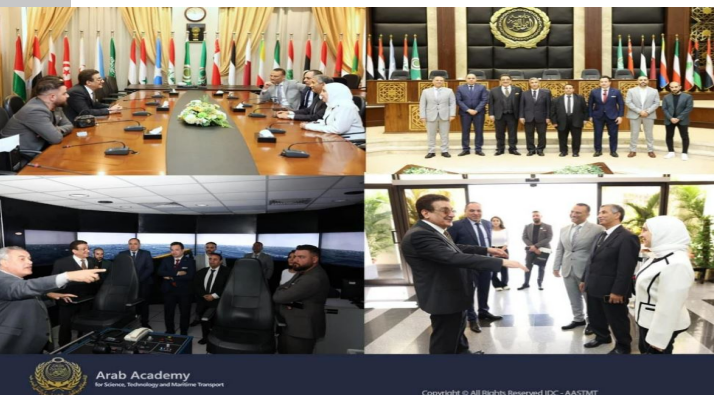
The Arab Academy for Science, Technology and Maritime Transport (AASTMT) warmly received H.E. Prof. Dr. Muthanna G. Abdul Razzaq, President & CEO of the American University in the United Arab Emirates (AUE), along with his delegation, on Tuesday, 7 May 2024, at AASTMT’s Abu Kir campus. The meeting brought together AASTMT deans and senior officials who engaged with the visiting delegation to explore various avenues of collaboration, support for the educational process, and the exchange of experiences in mutual areas of interest. Following discussions, the delegation toured AASTMT’s facilities, gaining first-hand insight into the Academy’s infrastructure and programs.
This visit reinforces AASTMT’s commitment to Sustainable Development Goal 8 (Decent Work and Economic Growth) by building international partnerships that elevate education quality, stimulate skill development, and enable greater employment opportunities for graduates. In parallel, such cooperation supports AASTMT’s broader institutional agenda—particularly its practice of tracking gender-equitable pay scales. Through stronger governance, global collaboration, and transparent institutional practices, AASTMT advances both academic excellence and fair, inclusive employment—ensuring that all staff, regardless of gender, benefit from equal pay for equal work and professional growth aligned with global standards
Link to the official news page:AASTMT Welcomes President of American University in UAE to Strengthen International Cooperation
AASTMT Marks World Creativity & Innovation Day to Reinforce SDG 8 and Gender Pay-Equity Commitment
Alexandria, Egypt – 22 April 2024
AASTMT celebrated the “World Creativity and Innovation Day” at its Abu Kir campus on Sunday, 21 April 2024, in collaboration with Bibliotheca Alexandrina (BA). The event was attended by AASTMT President Prof. Dr. Ismail Abdel Ghafar Ismail, BA Director Dr. Ahmed Zayed, the Consul General of Saudi Arabia in Alexandria Ambassador Mazyad bin Muhammad Al-Huwaishan, the Consul General of the Lebanese Republic Ambassador Ali Karanouh, along with senior university officials. The session emphasised innovation, creative thinking, and cooperation between higher-education institutions to foster an environment of ingenuity and sustainable development.
By promoting creative education and inclusive innovation, AASTMT’s initiative supports Sustainable Development Goal 8 (Decent Work and Economic Growth)—specifically through enabling skills, talent development, and inclusive growth. Further, such institutional investments in staff and student capabilities reinforce AASTMT’s broader policy of tracking gender-equitable pay scales: ensuring that innovations, professional growth, and employment opportunities are accessible to everyone, that fair compensation practices are upheld, and that both men and women benefit equally from institutional development and career progression.
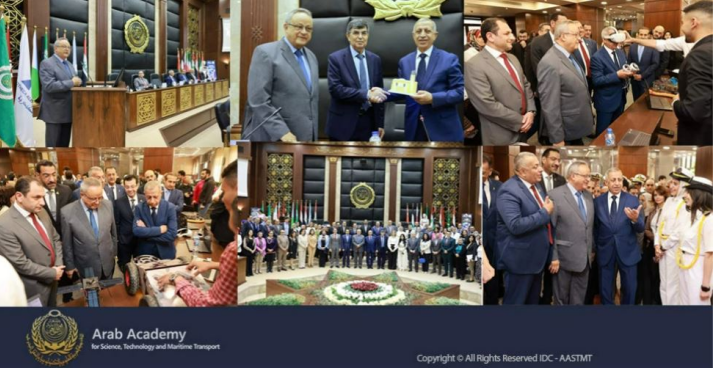
Link to the official news page:AASTMT Marks World Creativity & Innovation Day to Reinforce SDG 8 and Gender Pay-Equity Commitment
2022-2023
Tracking gender pay equity at the Arab Academy for Science, Technology and Maritime Transport (AASTMT) aligns with Sustainable Development Goal 8 (SDG 8), which focuses on promoting sustained, inclusive, and sustainable economic growth, full and productive employment, and decent work for all. Egypt's Vision 2030, as outlined in its Sustainable Development Strategy, emphasizes the importance of providing high-quality education and training without discrimination, aiming to empower citizens and promote diversity. AASTMT's commitment to gender equality, as per Egypt's national constitution, reflects SDG 8's goal of achieving equal representation and opportunities for women in all sectors, including education and employment. Furthermore, the university's dedication to tracking gender pay equity and ensuring non-discrimination aligns with SDG 8's emphasis on promoting decent work, equal pay for equal work, and a fair and inclusive workplace for all, contributing to sustainable economies and societal well-being as advocated by the United Nations.
Tracking Gender Pay equity in Arab Academy for Science, Technology and Maritime Transport
Procedures for tracking gender pay equity at the Arab Academy for Science, Technology and Maritime Transport (AASTMT):
Data Collection and Analysis: The organization collects relevant data on salaries and compensation for all employees, organizing this data by job roles, levels, and gender. Ensuring the accuracy and completeness of this data is a primary focus.
Job Evaluation and Classification: Jobs within the organization are evaluated and classified based on factors such as skill, responsibility, and complexity, with a clear emphasis on avoiding gender bias. A standardized job evaluation system is in place to ensure that compensation is based on job requirements.
Pay Gap Analysis: A comprehensive analysis of the data is conducted to identify any gender pay gaps. This analysis compares the average or median salaries of male and female employees in similar roles and at similar levels. The organization scrutinizes not only the overall pay gap but also gaps within specific job categories or levels.
Identifying and Addressing Disparities: Upon identifying pay gaps, the organization initiates investigations to determine their underlying causes. Disparities are often found to result from factors such as unequal starting salaries, promotion rates, or bonus structures. Actions are taken to rectify these disparities, including salary adjustments, the introduction of transparent salary scales, or revisions to promotion and bonus policies.
Regular Monitoring and Reporting: Gender pay equity is viewed as an ongoing process. The organization has established a system for regular monitoring and reporting on pay equity, continually reviewing and updating compensation practices as needed to ensure ongoing equity.
Communication and Transparency: The organization actively communicates its commitment to gender pay equity to employees and stakeholders. Transparent communication regarding the actions being taken to address pay disparities fosters trust and accountability.
Legal Compliance: The organization ensures compliance with all relevant labor laws, regulations, and reporting requirements related to gender pay equity in its jurisdiction.
Training and Awareness: Training and awareness programs are conducted to educate employees and management about the importance of gender pay equity and how biases could affect compensation decisions.
These procedures represent the steps that AASTMT currently takes to track and address gender pay equity within the organization. Please note that specific details and processes may evolve based on the institution's ongoing practices and policies.
The Arab Academy for Science, Technology and Maritime Transport also believes in what came in the statements of the UN, that providing women and girls has equal access to education, health care, decent work. They fuel sustainable economies and benefit societies and humanity at large.
Since the foundation of Arab Academy for Science, Technology and Maritime Transport, there has been an attention given to the gender equality of staff.
The Arab Academy for Science, Technology and Maritime Transport is committed to track the number of females among staff and ensure that females have no discrimination and that there is an equality in payment in AASTMT across all departments.
Maintaining equity in all aspects of the staff experience is of huge importance at the Arab Academy for Science, Technology and Maritime Transport. This is perhaps truer of salaries than any other aspect. Salaries are governed at AASTMT by a transparent and public scale that does not discriminate based on race, nationality, gender or any other factor. This is outlined in university publications such as the executive regulations of the Arab Academy for Science, Technology and Maritime Transport employees and followed through when the recruitment office under the Office of the President prepares and sends out job offers.
The Arab Academy for Science, Technology and Maritime Transport is an equal-opportunity institute that strongly prohibits all forms of discrimination based on gender, race, ethnicity, religion, nationality, or disability.
The Arab Academy for Science, Technology and Maritime Transport is committed to the state Constitution regarding the place of women, motherhood and childhood. (Article 11, Page 13). According to the national constitution Article 11: The place of women, motherhood and childhood (https://www.constituteproject.org/constitution/Egypt_2014.pdf ). It states that
• “the state commits to achieving equality between women and men in all civil, political, economic, social, and cultural rights in accordance with the provisions of this Constitution.
• Equality regardless of gender The state commits to taking the necessary measures to ensure appropriate representation of women in the houses of parliament, in the manner specified by law 2.
• It grants women the right to hold public posts and high management posts in the state, and to appointment in judicial bodies and entities without discrimination. First chamber representation quotas and Second chamber representation quotas
• The state commits to the protection of women against all forms of violence, and ensures women empowerment to reconcile the duties of a woman toward her family and her work requirements.
• The state ensures care and protection and care for motherhood and childhood, and for breadwinning, and elderly women, and women most in need”
AASTMT Pay Scale Equity Employment Policy
The Arab Academy for Science, Technology, and Maritime Transport (AASTMT) held a workshop in Alexandria to outline its approach to monitoring gender pay equity and its significance in relation to sustainable development goals.
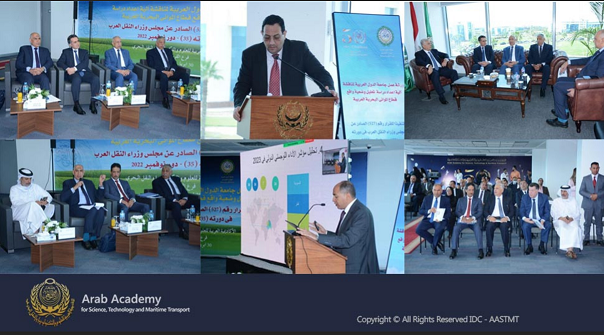
On May 1, 2023, the Arab Academy for Science, Technology, and Maritime Transport (AASTMT) organized a workshop focused on the Arab sea ports sector, emphasizing the sector’s role in sustainable economic development and fair employment practices. The workshop contributed to Sustainable Development Goal 8 (SDG 8) by addressing ways to promote decent work, equitable opportunities, and productive employment in maritime industries, which are vital to the region's economic growth. Participants discussed practices for ensuring fair labor standards, with a specific focus on addressing pay equity challenges in port operations. By bringing together industry leaders and stakeholders, the workshop fostered a shared commitment to building an inclusive work environment within the Arab sea ports sector that is grounded in the principles of fair compensation and equal opportunities.
A significant aspect of the workshop was AASTMT’s outline of its approach to monitoring gender pay equity and its importance for sustainable development. Highlighting SDG 8’s emphasis on decent work and equal pay, AASTMT underscored the need for systematic tracking of pay structures to identify and eliminate gender pay gaps within the sector. By implementing policies that promote transparency and fair compensation, the institution aims to reduce workplace inequalities and support gender equity across maritime professions. This focus on monitoring and addressing pay equity reinforces the broader goals of SDG 8, supporting a more inclusive and resilient workforce while advancing sustainable economic growth in the region.
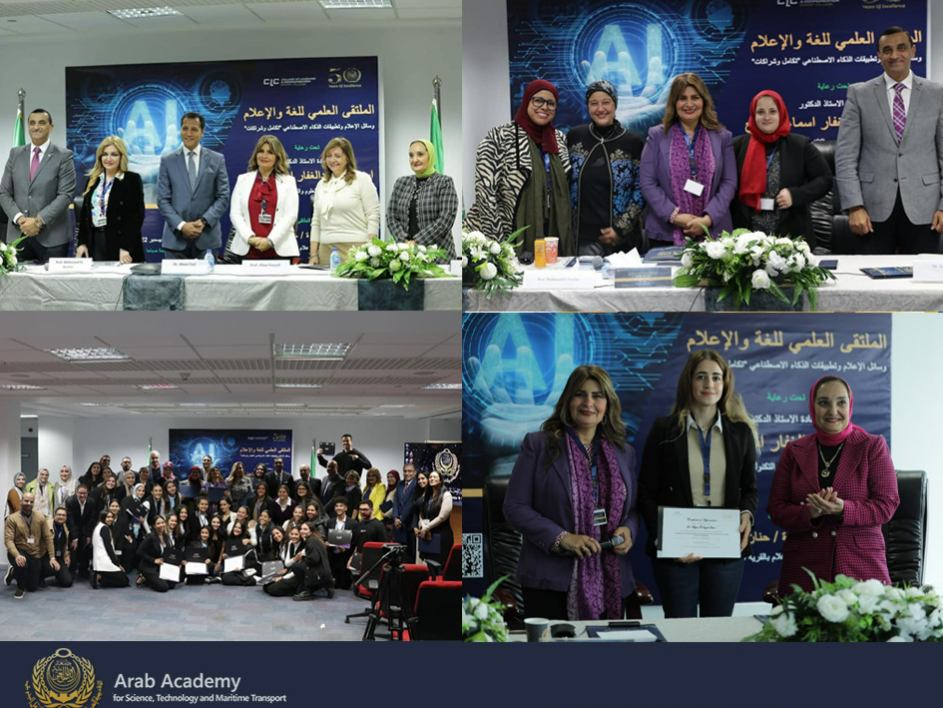
Scientific Forum at the College of Mass and Communication discusses Pay Scale Gender Equity
The scientific forum organized by the College of Mass and Communication at the Arab Academy for Science, Technology and Maritime Transport (AASTMT) on December 11 and 12, 2022, made a significant impact in advancing discussions around gender pay equity. Bringing together students, faculty, researchers, and professionals, the forum served as a platform for examining the root causes and consequences of gender-based pay disparities within various sectors. Through workshops, panel discussions, and research presentations, participants explored best practices, data analytics, and policy recommendations aimed at achieving pay equity within academic and professional environments. This open exchange of ideas allowed for a deeper understanding of how systematic inequality affects career advancement and economic stability, particularly for women.
In addition, the forum provided actionable insights specifically applicable to AASTMT. By assessing the current gender pay gap data and benchmarking it against best practices, the college took a proactive step toward establishing equitable compensation practices within the academy. Discussions highlighted the importance of transparency in pay structures, fair recruitment and promotion policies, and fostering an inclusive workplace culture where gender equality is prioritized. This forum not only catalyzed awareness but also laid the groundwork for future initiatives aimed at closing the gender pay gap within AASTMT, reflecting its commitment to gender equality as part of its broader institutional values.
2021-2022
Tracking gender pay equity at the Arab Academy for Science, Technology and Maritime Transport (AASTMT) aligns with Sustainable Development Goal 8 (SDG 8), which focuses on promoting sustained, inclusive, and sustainable economic growth, full and productive employment, and decent work for all. Egypt's Vision 2030, as outlined in its Sustainable Development Strategy, emphasizes the importance of providing high-quality education and training without discrimination, aiming to empower citizens and promote diversity. AASTMT's commitment to gender equality, as per Egypt's national constitution, reflects SDG 8's goal of achieving equal representation and opportunities for women in all sectors, including education and employment. Furthermore, the university's dedication to tracking gender pay equity and ensuring non-discrimination aligns with SDG 8's emphasis on promoting decent work, equal pay for equal work, and a fair and inclusive workplace for all, contributing to sustainable economies and societal well-being as advocated by the United Nations.
Tracking Gender Pay equity in Arab Academy for Science, Technology and Maritime Transport
Sustainable Development Strategy (Egypt’s Vision 2030) entails a strategic vision, which is to provide a high quality education and training system for all, without discrimination. With this vision, students and trainees are provided with the necessary skills to help them think creatively and empower them technically and technologically; and contribute to the development of proud, creative, responsible and competitive citizens who accept diversity and differences, are proud of their country’s history, and are eager to build its future and can complete with regional and international entities. Read more...
The Arab Academy for Science, Technology, and Maritime Transport (AASTMT) conducted a workshop in Alexandria to explain the institution's approach to tracking gender pay equity and its relevance to sustainable development goals
On the 11th of April 2022, the HR department at the AASTMT organized a workshop in Alexandria branch to its faculty and staff. The workshop organized by AASTMT's HR department in its Alexandria branch held paramount importance as it directly aligned with Sustainable Development Goal 8 (SDG 8), which underscores the significance of sustained, inclusive, and sustainable economic growth, full and productive employment, and decent work for all. By educating its workers and staff on gender pay equity and its commitment to tracking and rectifying pay disparities, AASTMT not only promoted fairness within its workforce but also contributed to a more equitable and inclusive society. Achieving gender pay equity was a critical component of SDG 8, as it ensured that all employees, irrespective of gender, had equal access to opportunities and fair compensation, ultimately fostering a harmonious work environment and supporting the broader goal of sustainable economic growth and decent work for every individual. Read more...