RADIO ISP at USTHB Explored Bioinformatics and AI for the Future of Theranostics
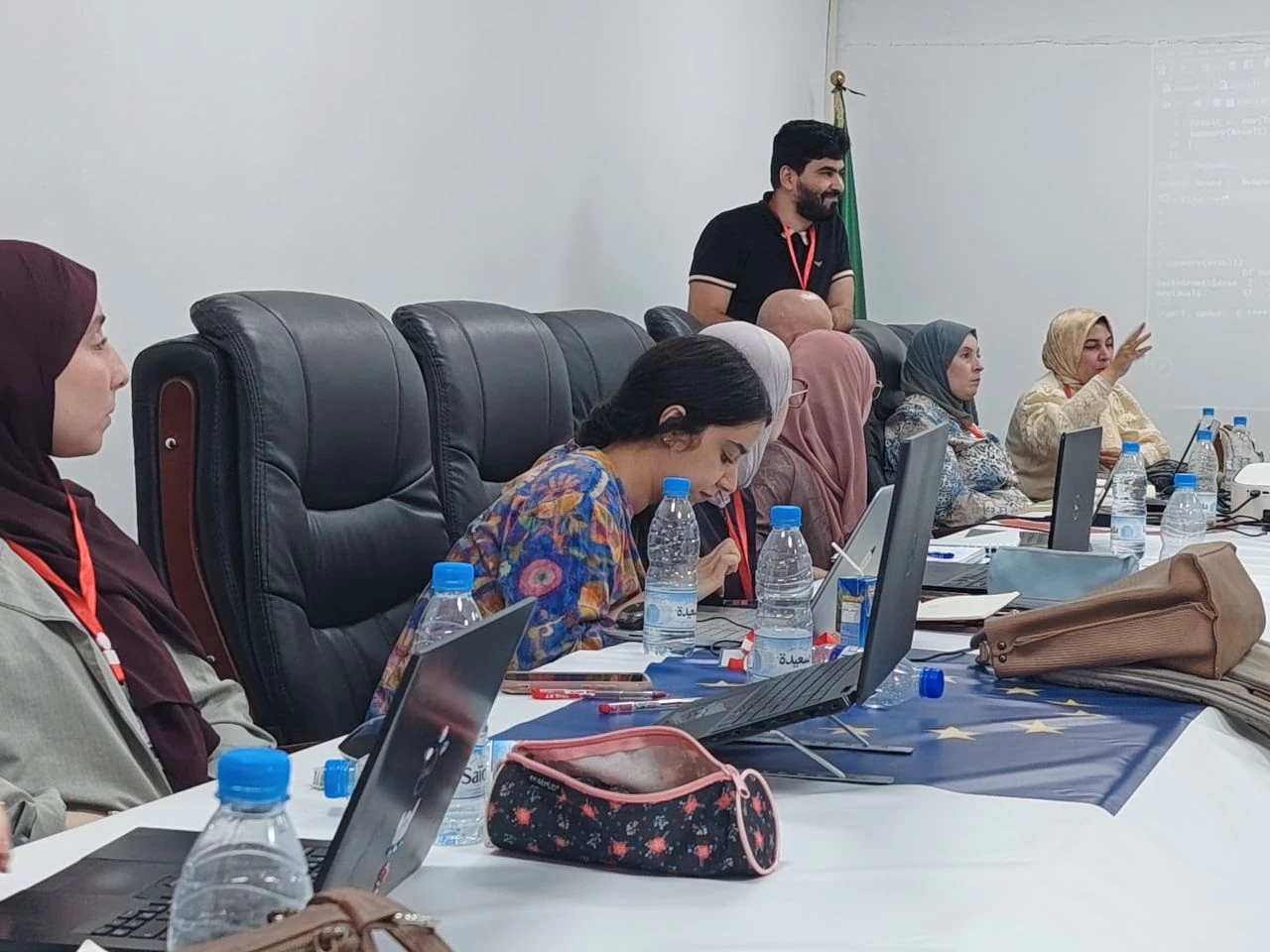
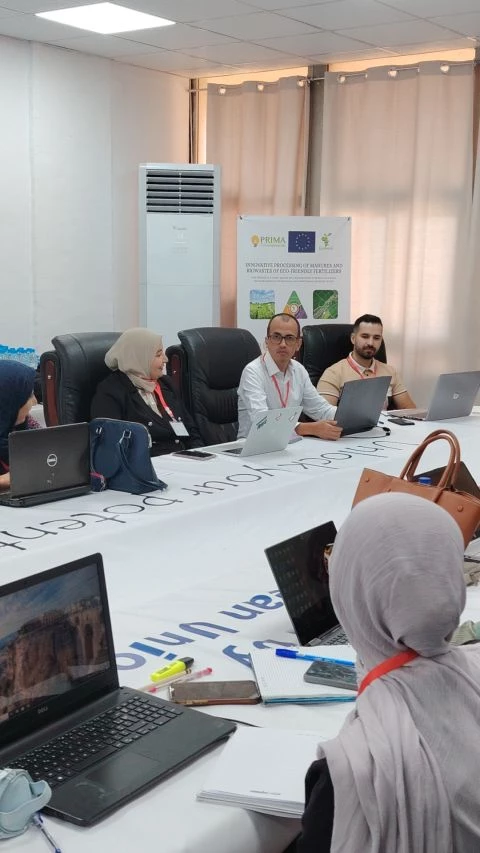
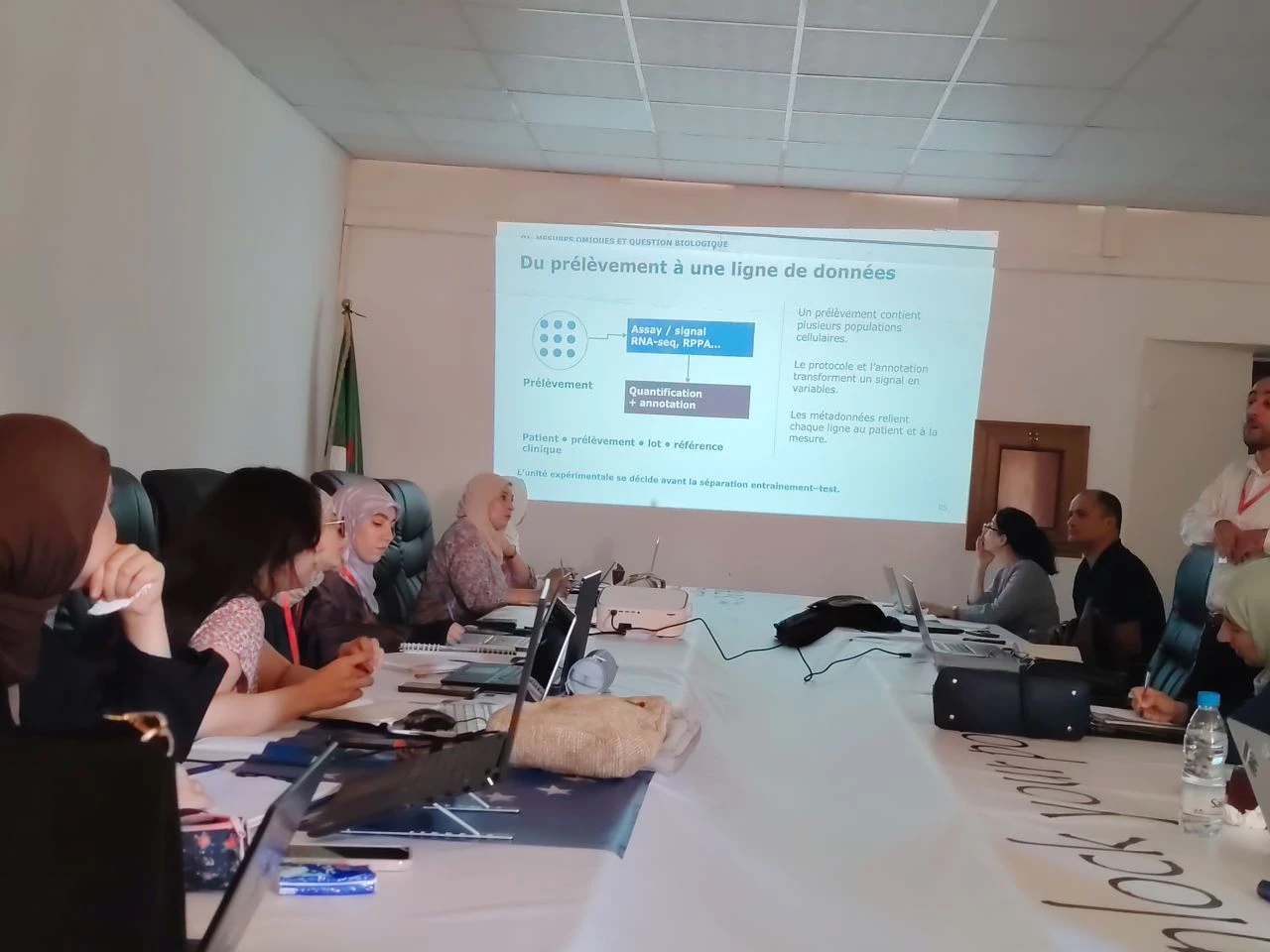
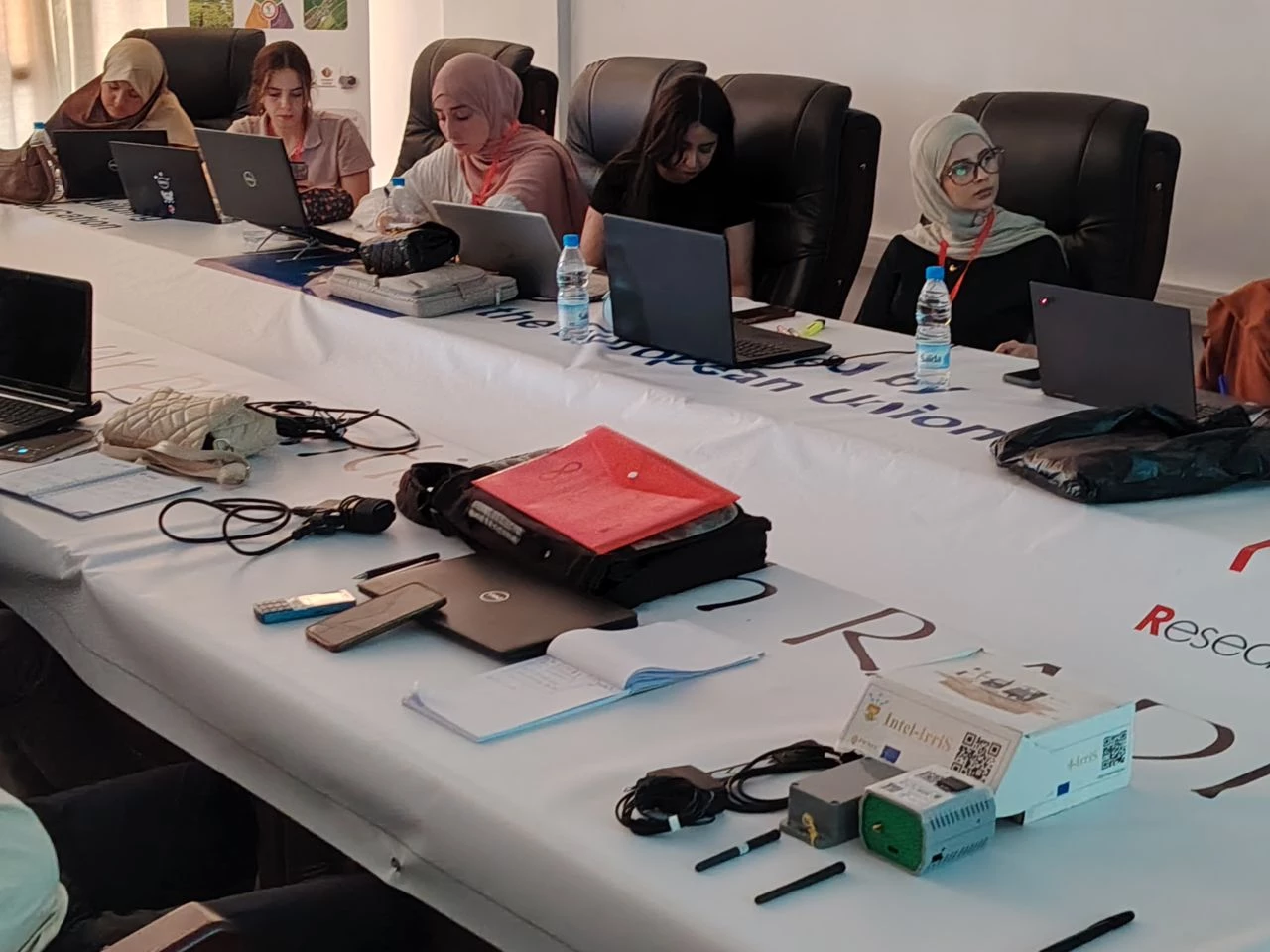
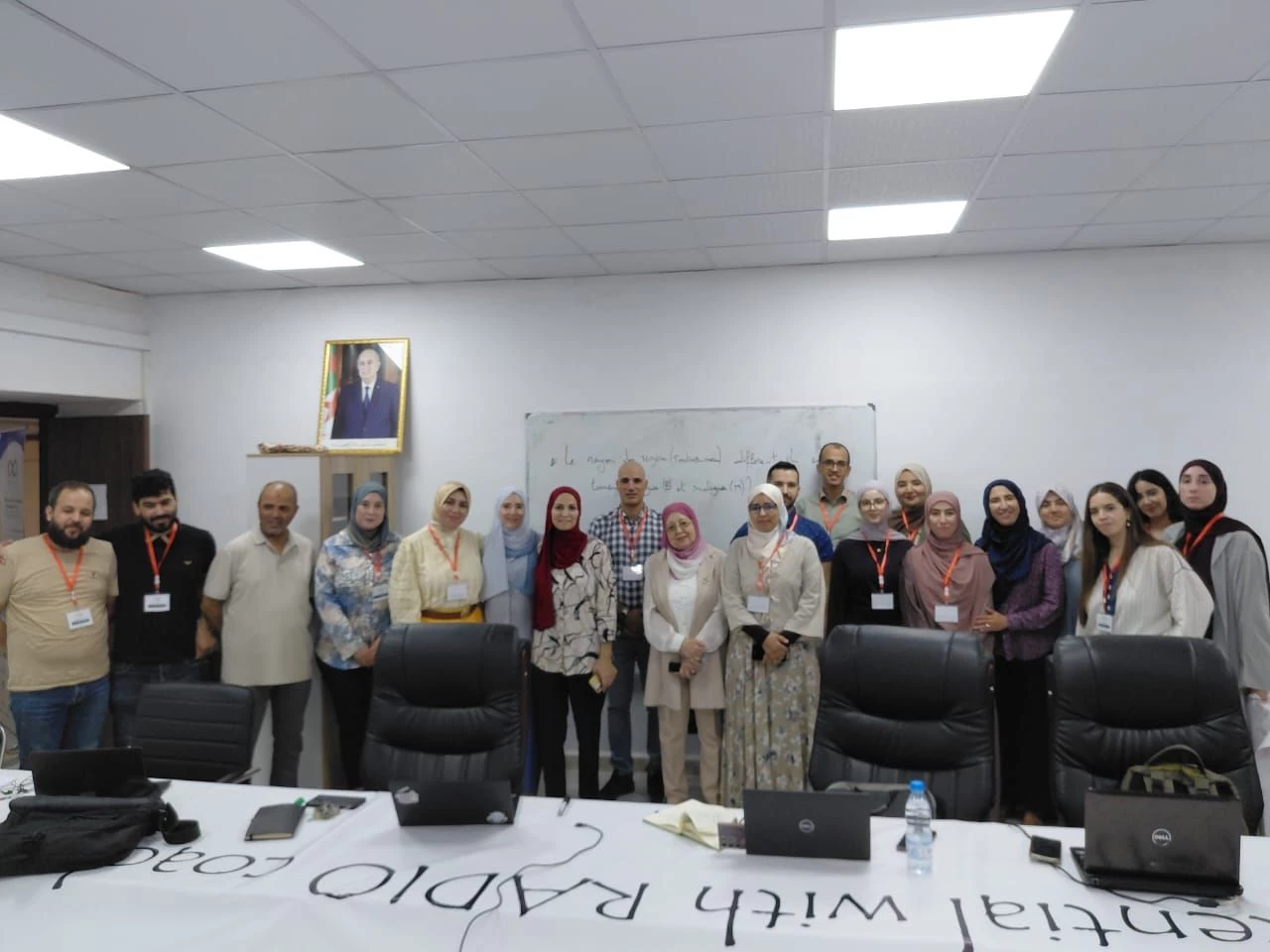
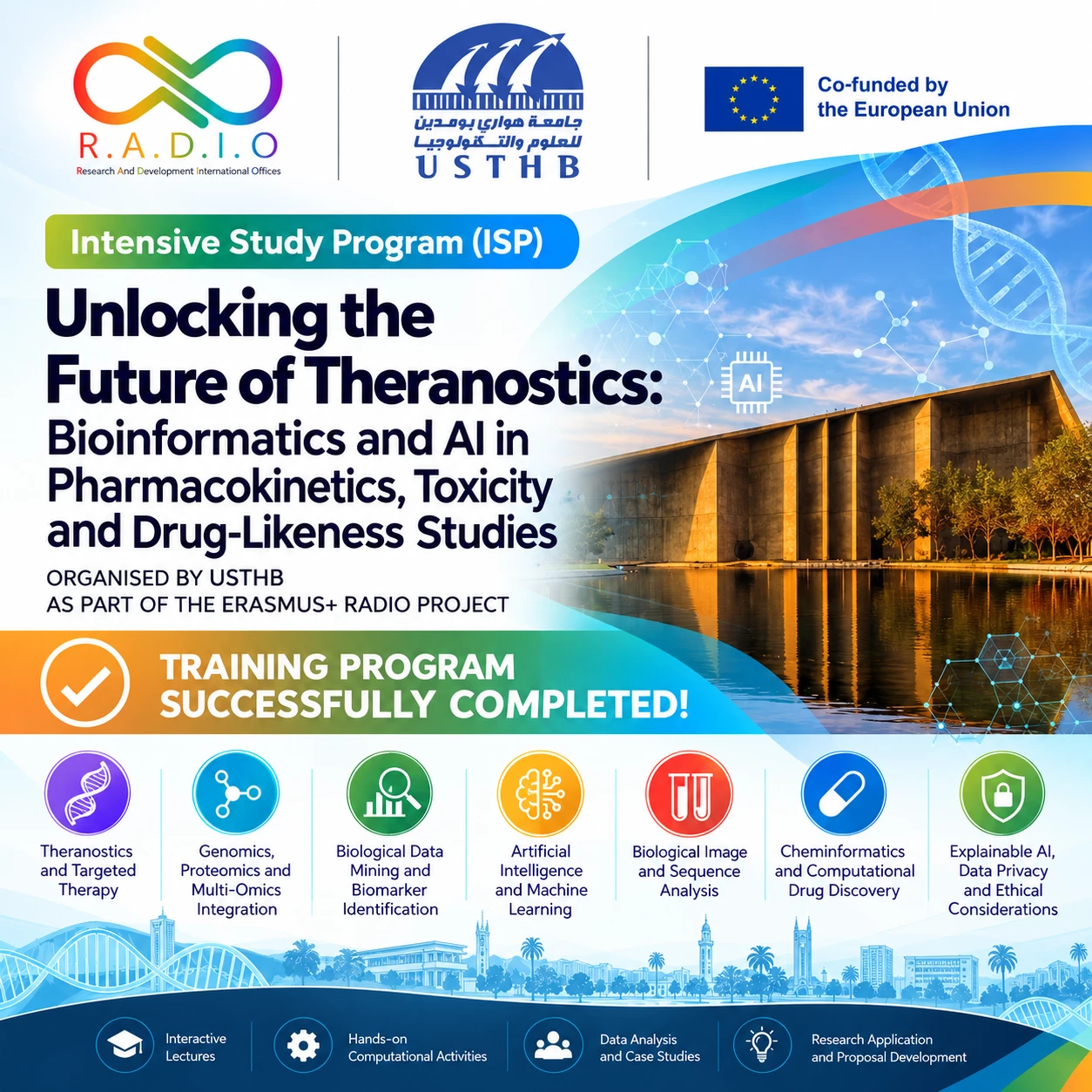
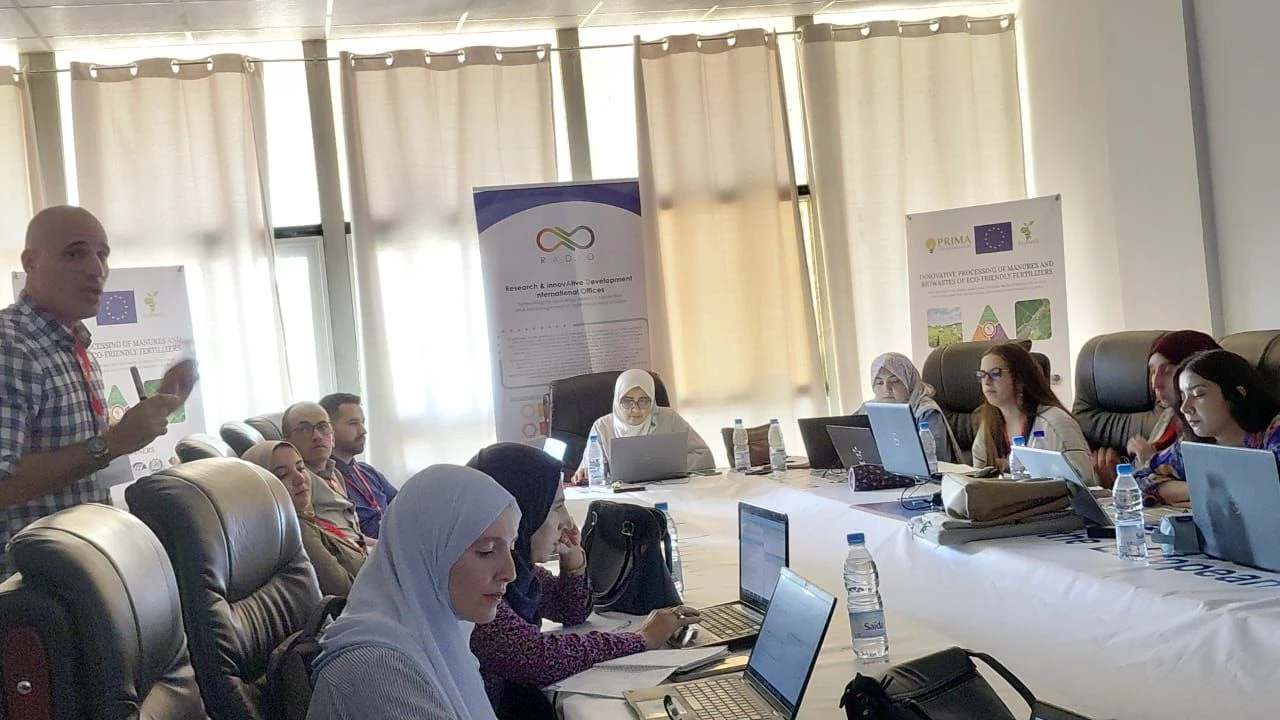
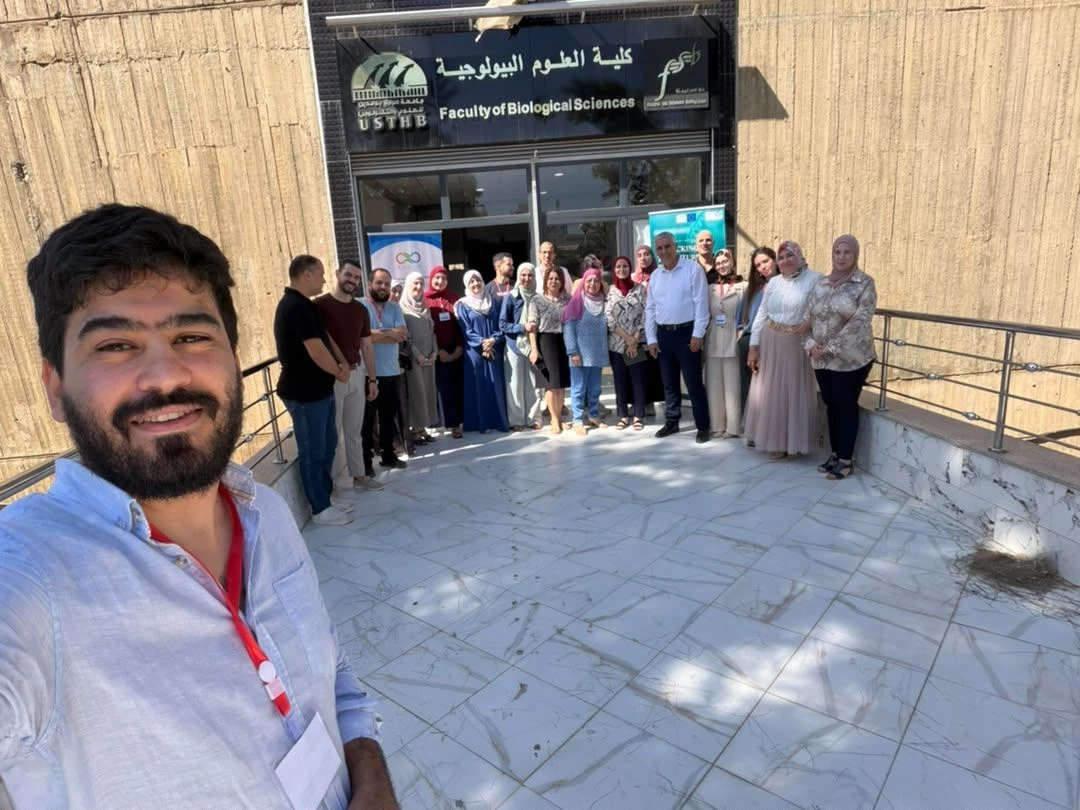
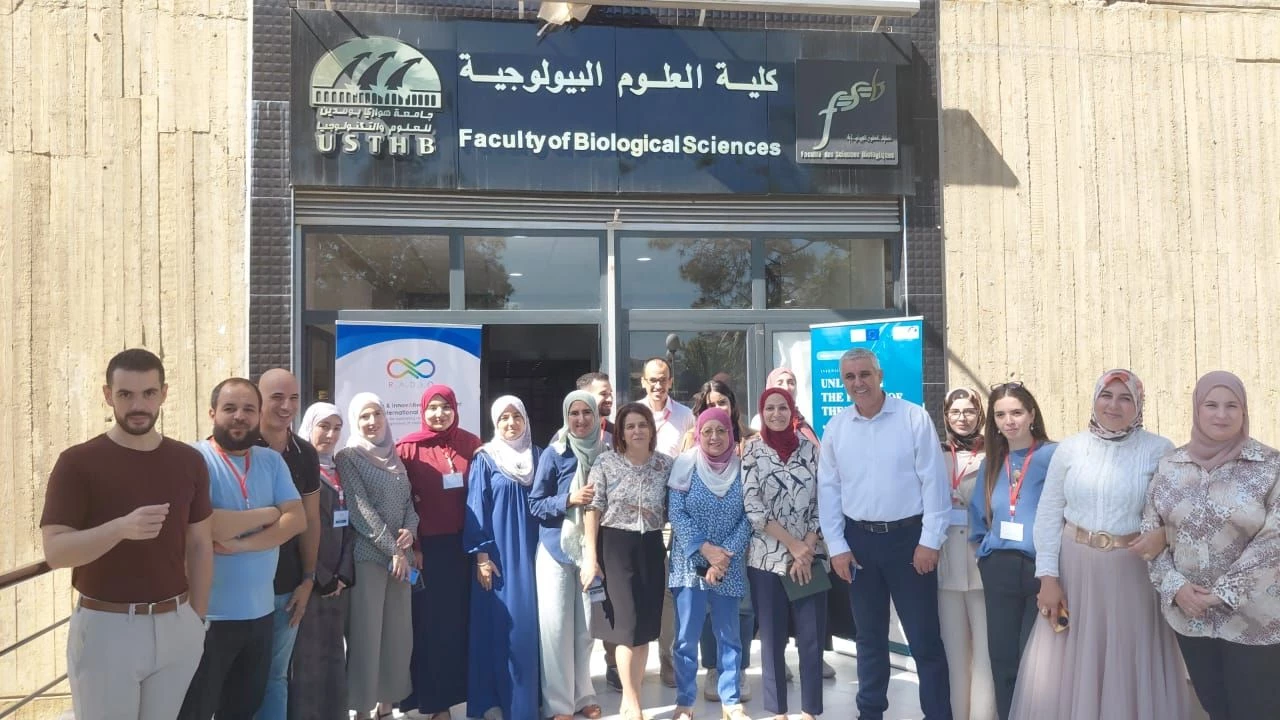
The RADIO project continued to promote interdisciplinary research and capacity building through the delivery of the Intensive Study Programme “Unlocking the Future of Theranostics: Bioinformatics and AI in Pharmacokinetics, Toxicity and Drug-Likeness Studies,” developed by the University of Sciences and Technology Houari Boumediene (USTHB), Algeria.
The programme brought together biomedical research, bioinformatics, data analysis, and artificial intelligence to explore emerging computational approaches in theranostics and personalized medicine.
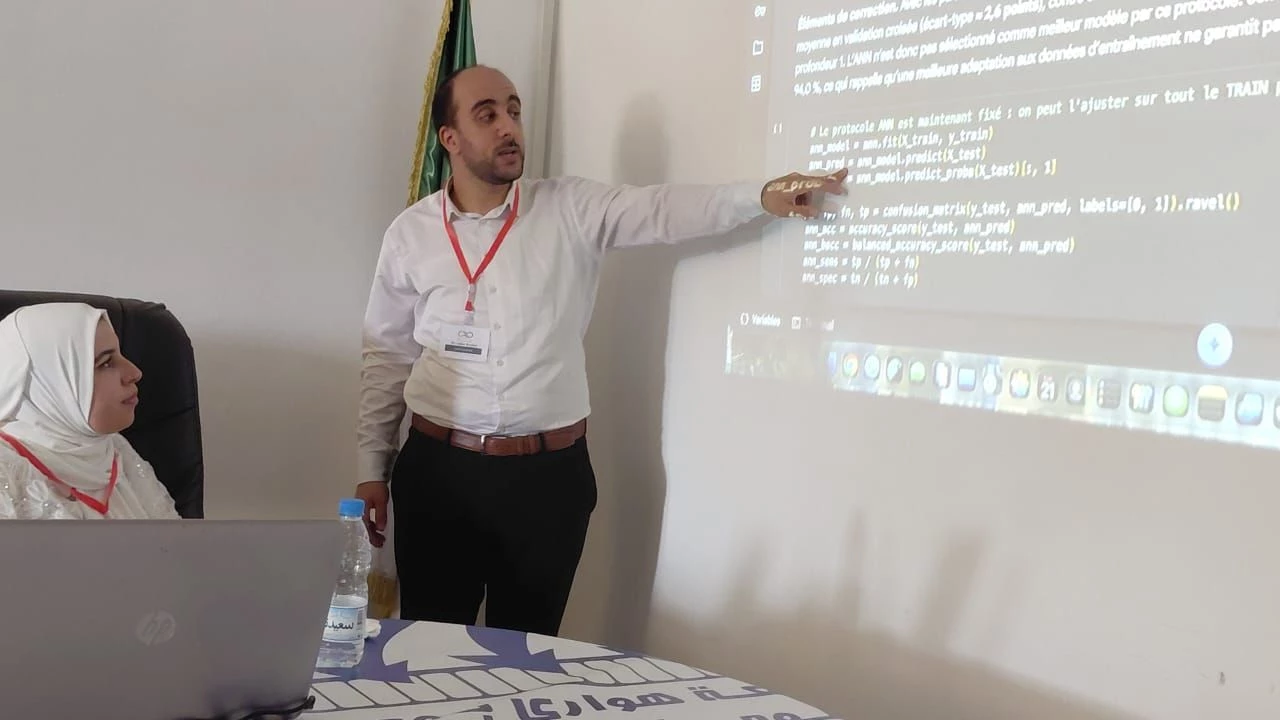
Participants explored how biological data and computational methods could support the identification of disease-related biomarkers, the investigation of diagnostic and therapeutic targets, and the evaluation of potential drug candidates. The programme addressed theranostics fundamentals, multi-omics integration across genomics, proteomics, and metabolomics, biological data mining, cheminformatics, virtual screening, molecular docking, and AI- and machine learning-based approaches to drug and diagnostic development.
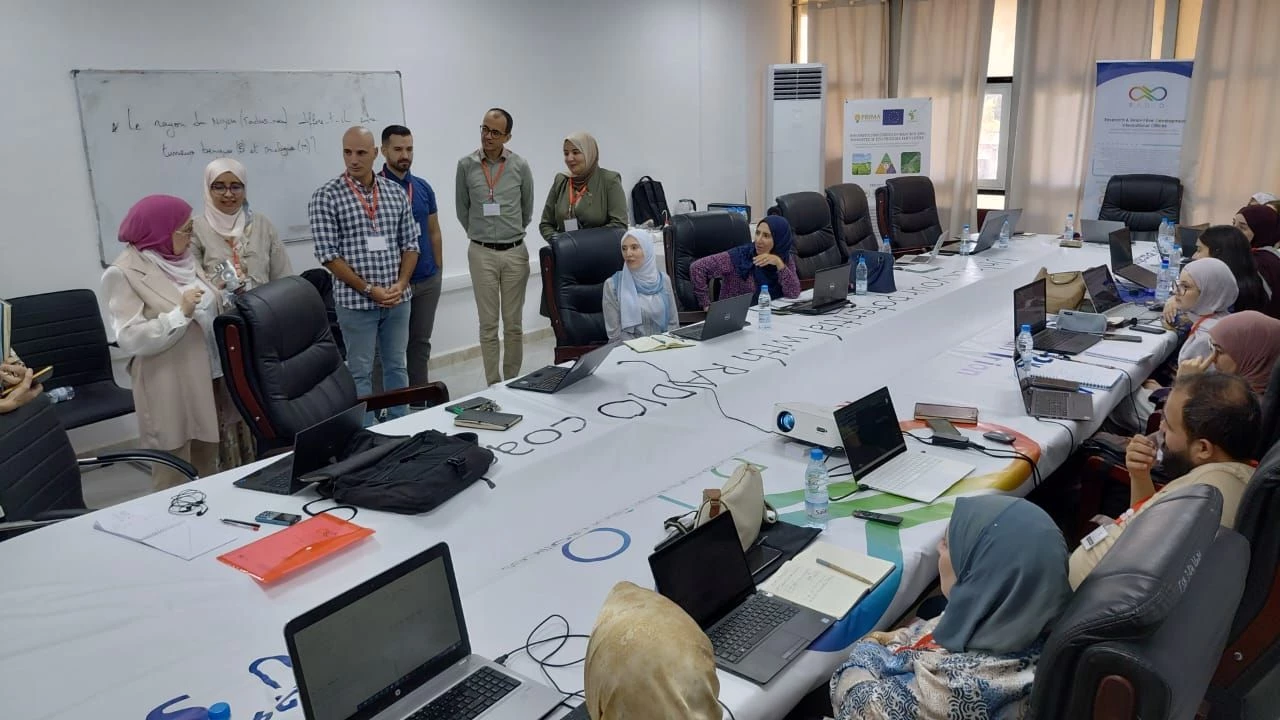
Practical learning was an important element of the programme. The ISP framework included computational case studies and laboratory activities involving biological datasets, image classification, sequence analysis, and cancer-related data. These activities were designed to help participants engage with the process of preparing data, applying computational methods, assessing model performance, and interpreting analytical results.
The programme also addressed the importance of explainable AI and model interpretability, including approaches for understanding model predictions and identifying potential biases. Ethical questions related to data privacy, equity, and the responsible application of AI in personalized medicine formed another important dimension of the learning experience.
Participants were expected to apply their learning through a project focused on identifying diagnostic, prognostic, and therapeutic targets for a specific disease using bioinformatics and AI-based approaches. This project-oriented structure connected computational methods with biomedical research questions and the broader goals of translational research.
By bringing together biological knowledge, computational analysis, and critical reflection on responsible AI, the ISP contributed to RADIO’s wider mission of strengthening research capacities and encouraging multidisciplinary collaboration across higher education institutions.
About RADIO
RADIO — Research & Innovative Development International Offices Networking for Upscaling Research Capacities and Encouragement of Multidisciplinary Studies — is an Erasmus+ Capacity Building in Higher Education project, Grant Agreement No. 101179198.
The project is co-funded by the European Union. The views and opinions expressed are those of the author(s) and do not necessarily reflect those of the European Union or the European Education and Culture Executive Agency. Neither the European Union nor the granting authority can be held responsible for them.