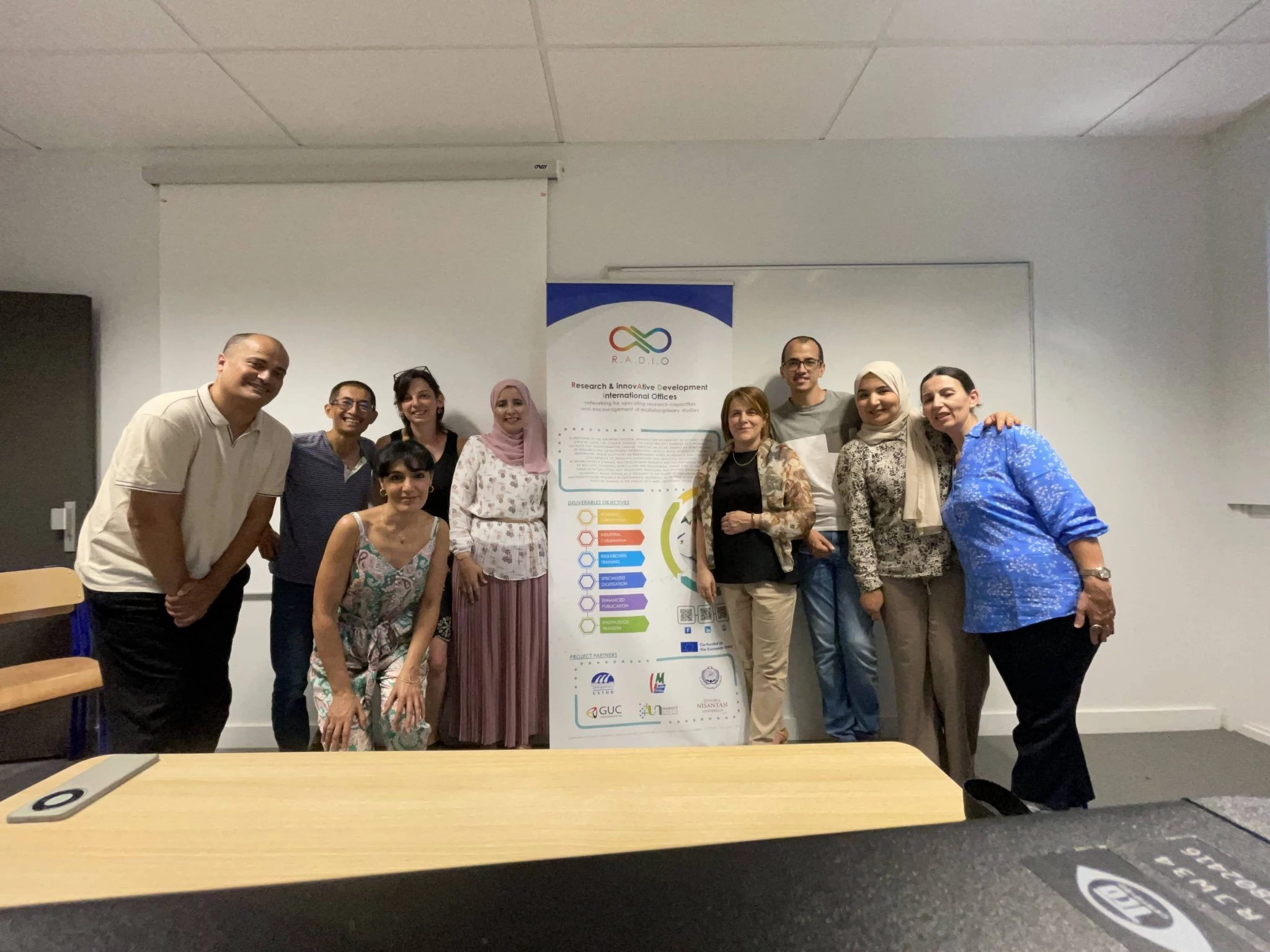
The University of Pau and Pays de l’Adour (UPPA), as part of the Erasmus+ RADIO Project, hosted a Train-of-the-Trainers (ToT) session on Internet of Things (IoT) technologies from 6 to 10 July 2026.
The five-day training session was designed to strengthen participants’ knowledge and practical skills in Internet of Things technologies through a combination of theoretical learning, real-world project insights, and hands-on activities.
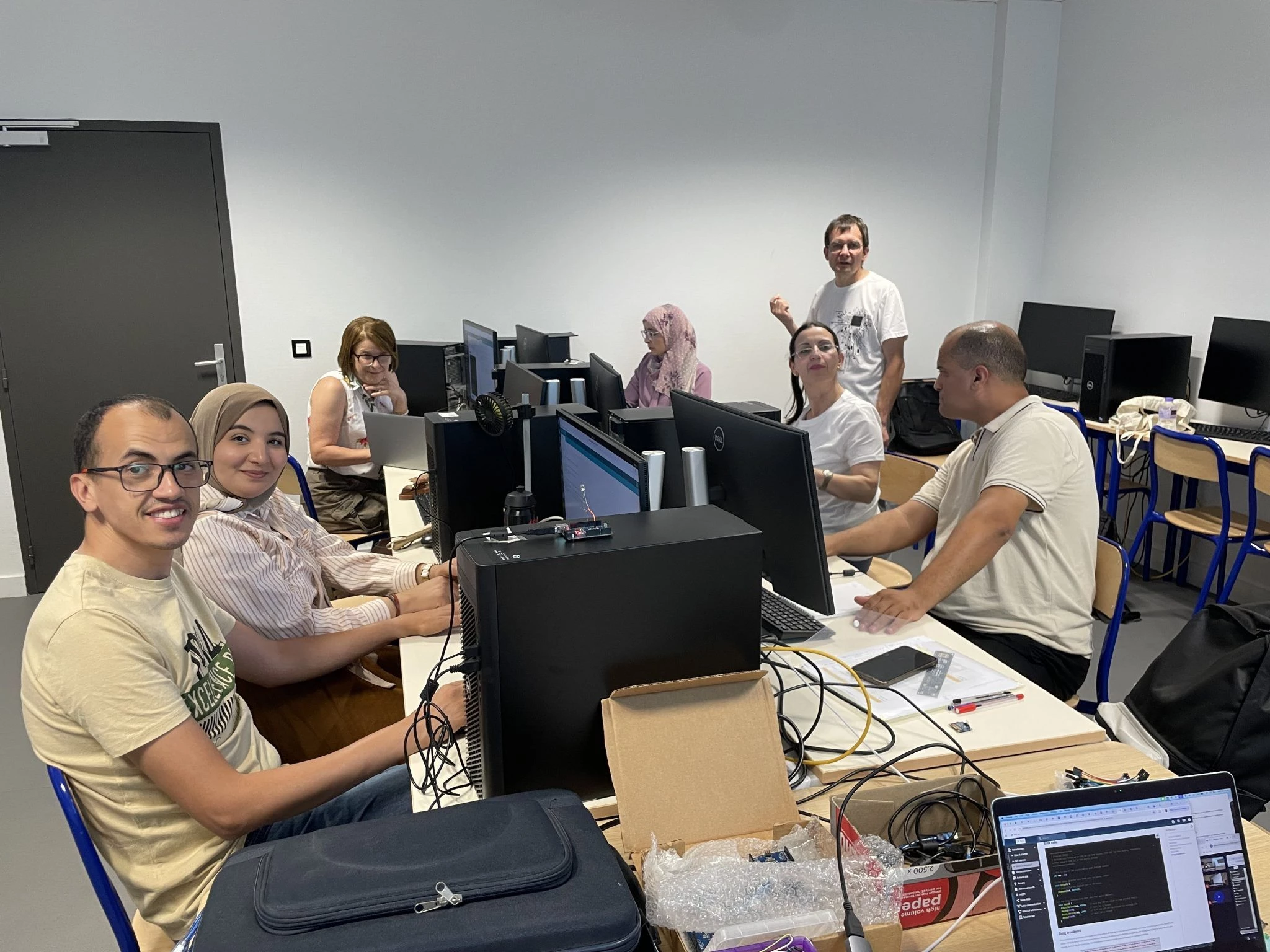
Throughout the training, participants explored the fundamental concepts of the IoT ecosystem and examined the key challenges and opportunities associated with the design and deployment of IoT solutions. The program included engaging lectures on IoT fundamentals, presentations of ambitious real-world IoT projects, visits to fabrication laboratories (fablabs), and extensive laboratory sessions.
The practical sessions provided participants with valuable hands-on experience in designing, programming, deploying, and experimenting with real IoT systems. These activities enabled participants to connect theoretical concepts with practical applications and gain a deeper understanding of the technologies and processes involved in developing IoT solutions.
The training also served as an important platform for capacity building, knowledge exchange, and collaboration among participants and trainers. Discussions and exchanges throughout the program encouraged the sharing of experiences, ideas, and lessons learned, contributing to a collaborative learning environment.
The Train-of-the-Trainers session supported the objectives of the Erasmus+ RADIO Project by strengthening participants’ technical competencies and facilitating the transfer of knowledge and expertise in emerging IoT technologies.
The Train-of-the-Trainers session was organized within the framework of the Erasmus+ RADIO Project, which supports capacity building, education, knowledge exchange, and the development of advanced technological skills among partner institutions and participants.
Event: RADIO Train-of-the-Trainers (ToT) Session on Internet of Things (IoT) Technologies
Date: 6–10 July 2026
Host Institution: University of Pau and Pays de l’Adour (UPPA)
Topic: Internet of Things (IoT) Technologies
Framework: Erasmus+ RADIO Project
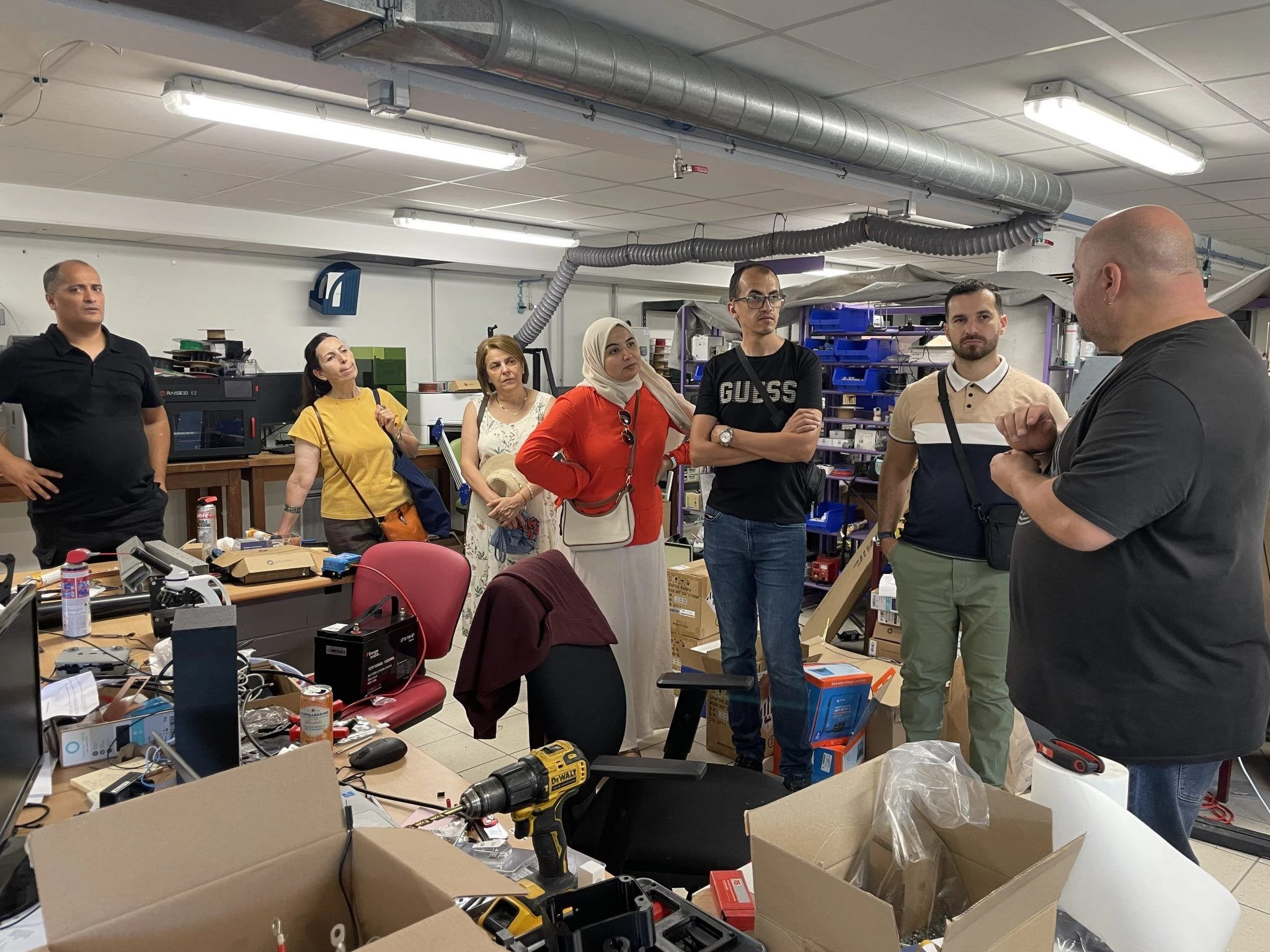
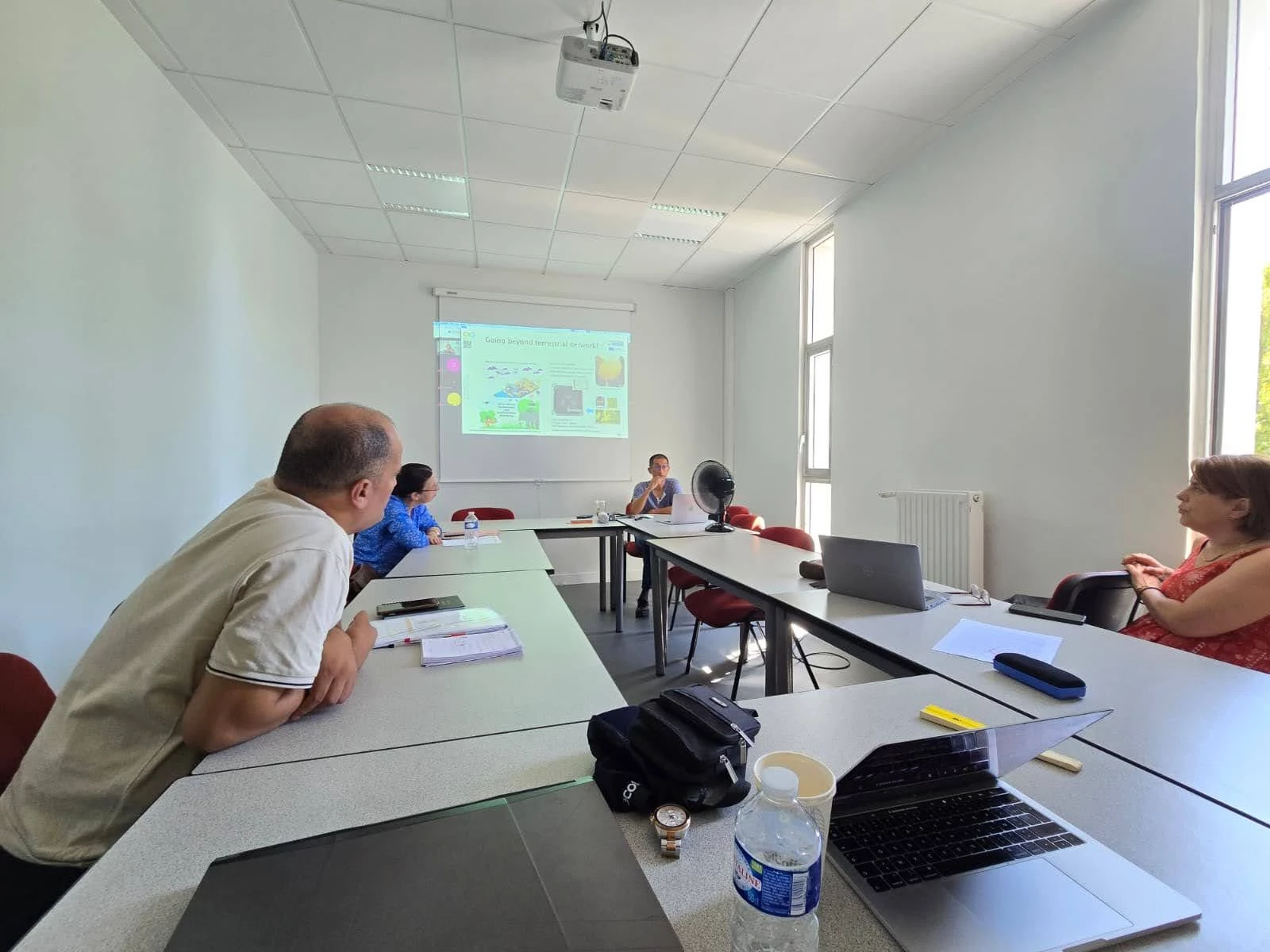
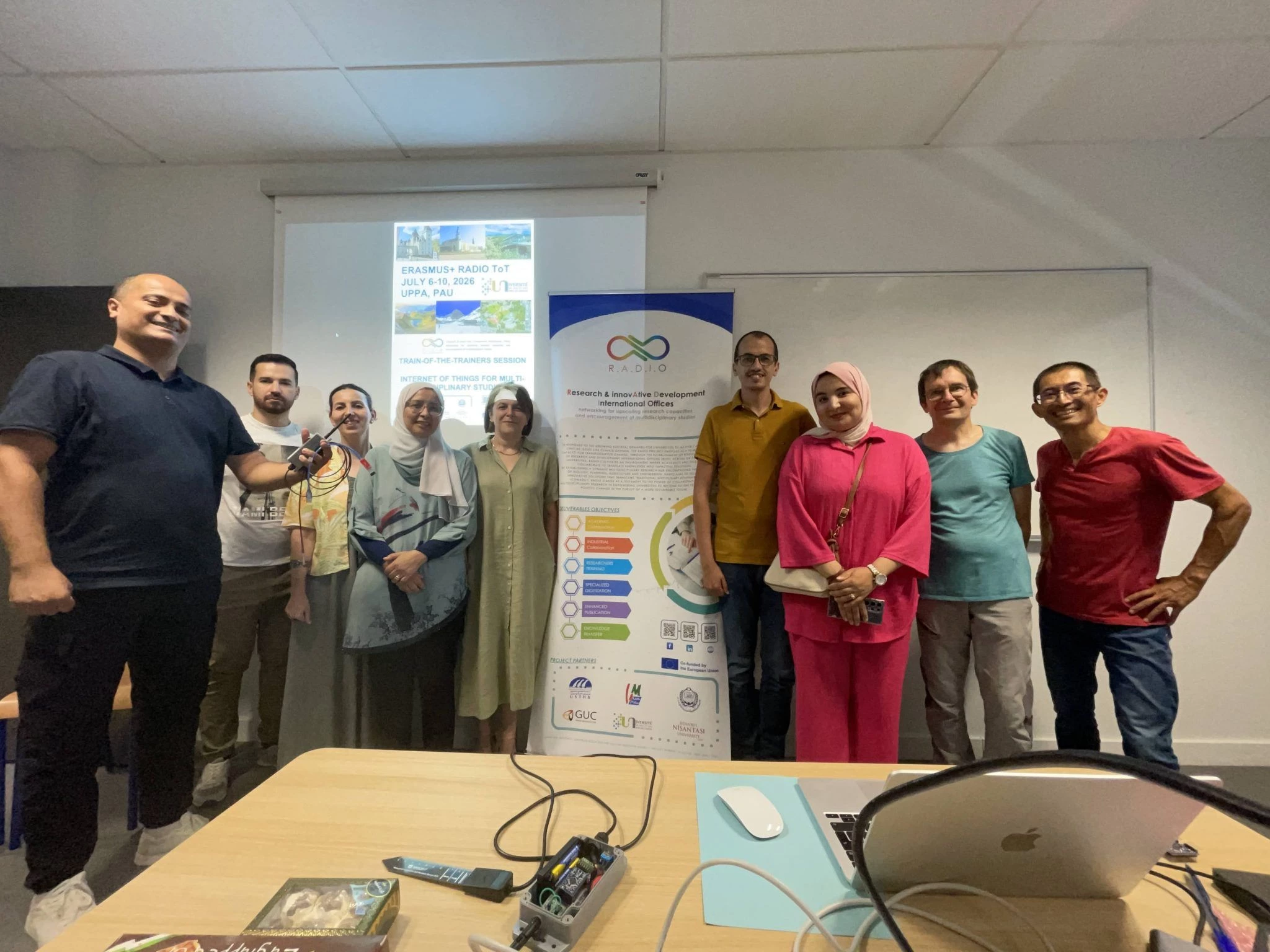
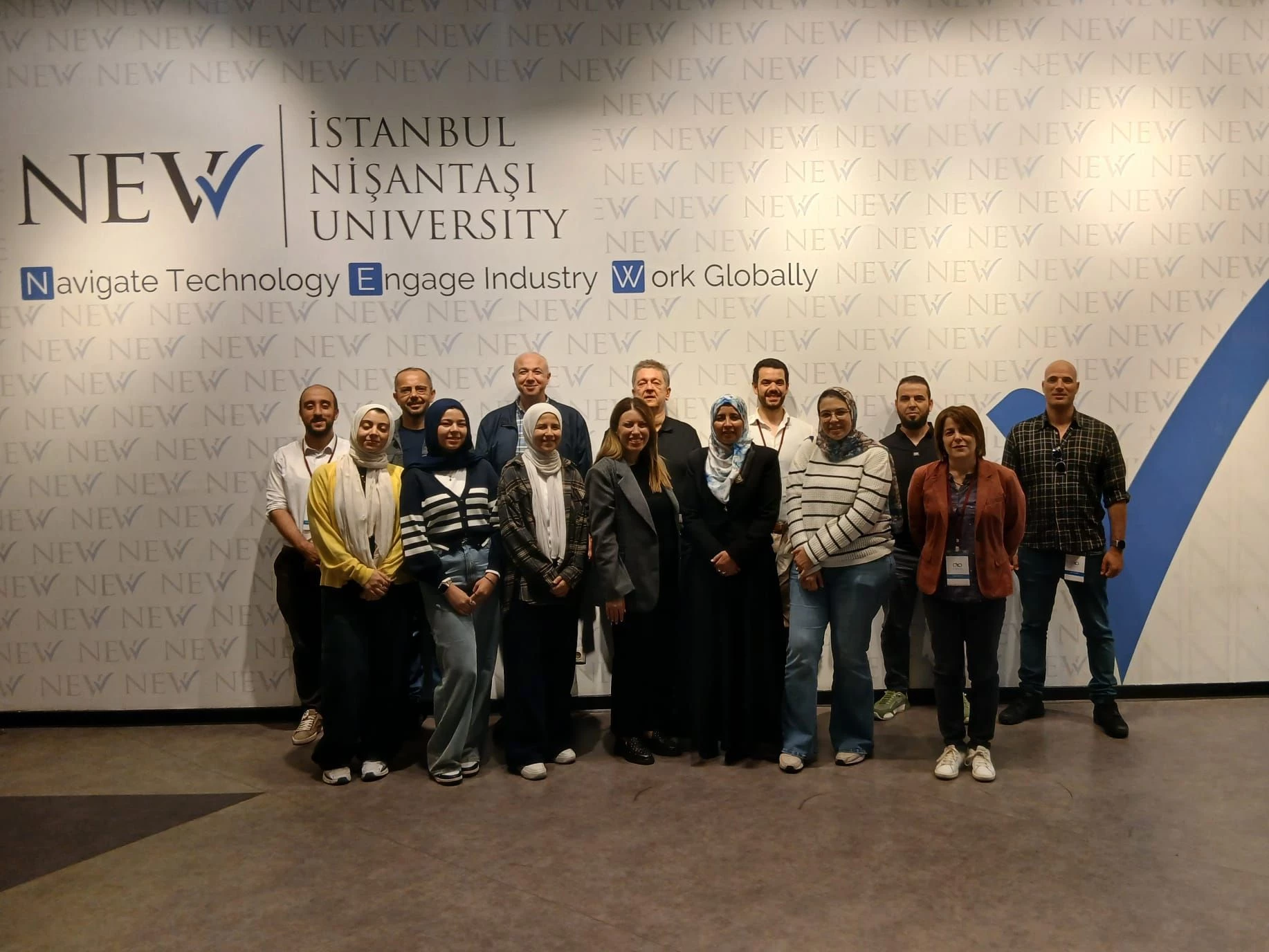
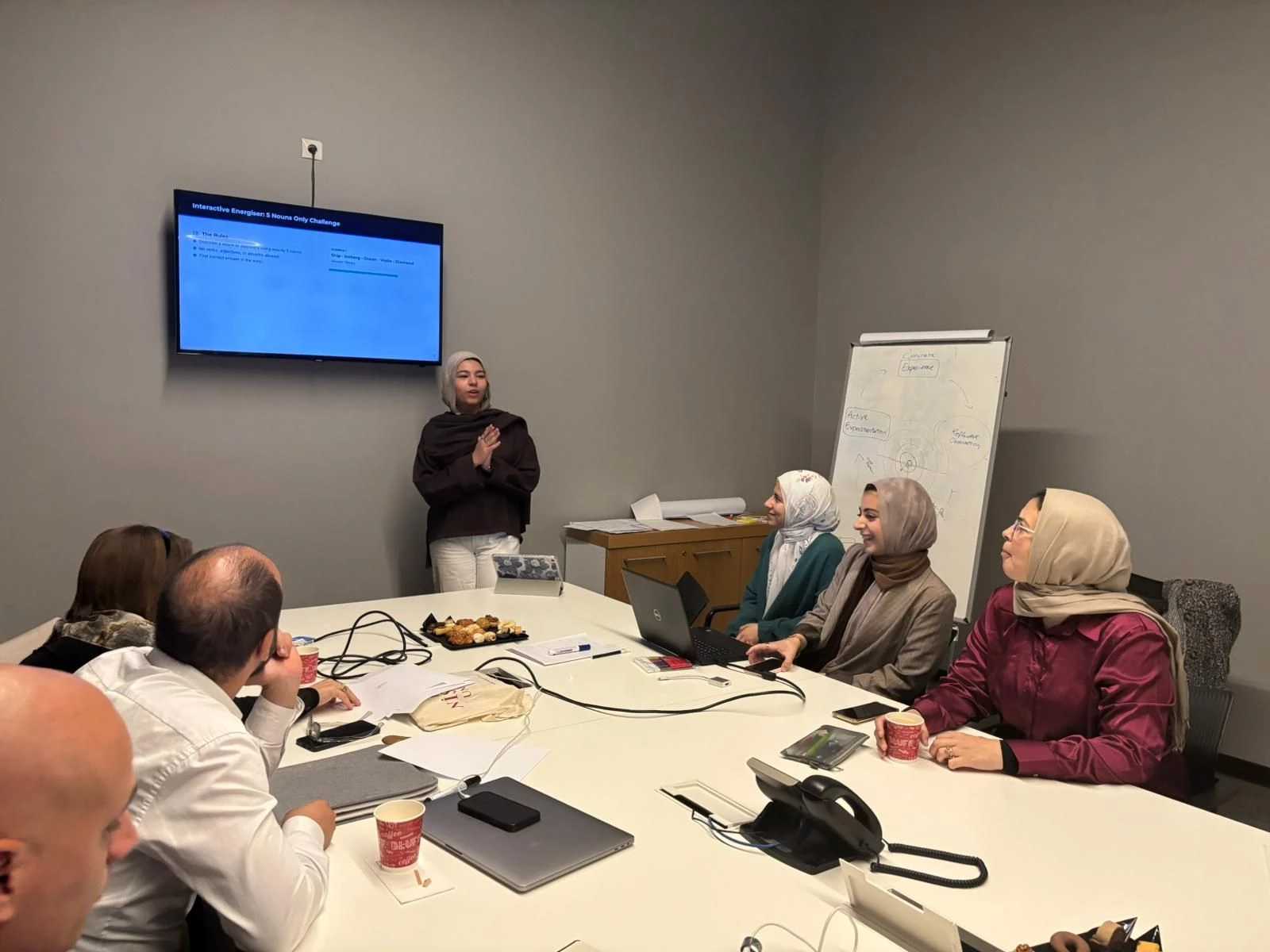
As part of the Erasmus+ RADIO Project, a five-day Training of Trainers (ToT) program was successfully organized in Türkiye, bringing together educators, facilitators, and project partners for an intensive capacity-building experience focused on innovative and learner-centered training approaches.
The training aimed to strengthen participants’ competencies in designing and delivering effective educational and training activities, with a particular focus on non-formal education methodologies, experiential learning, and participatory approaches.
Throughout the program, participants explored a wide range of topics, including:
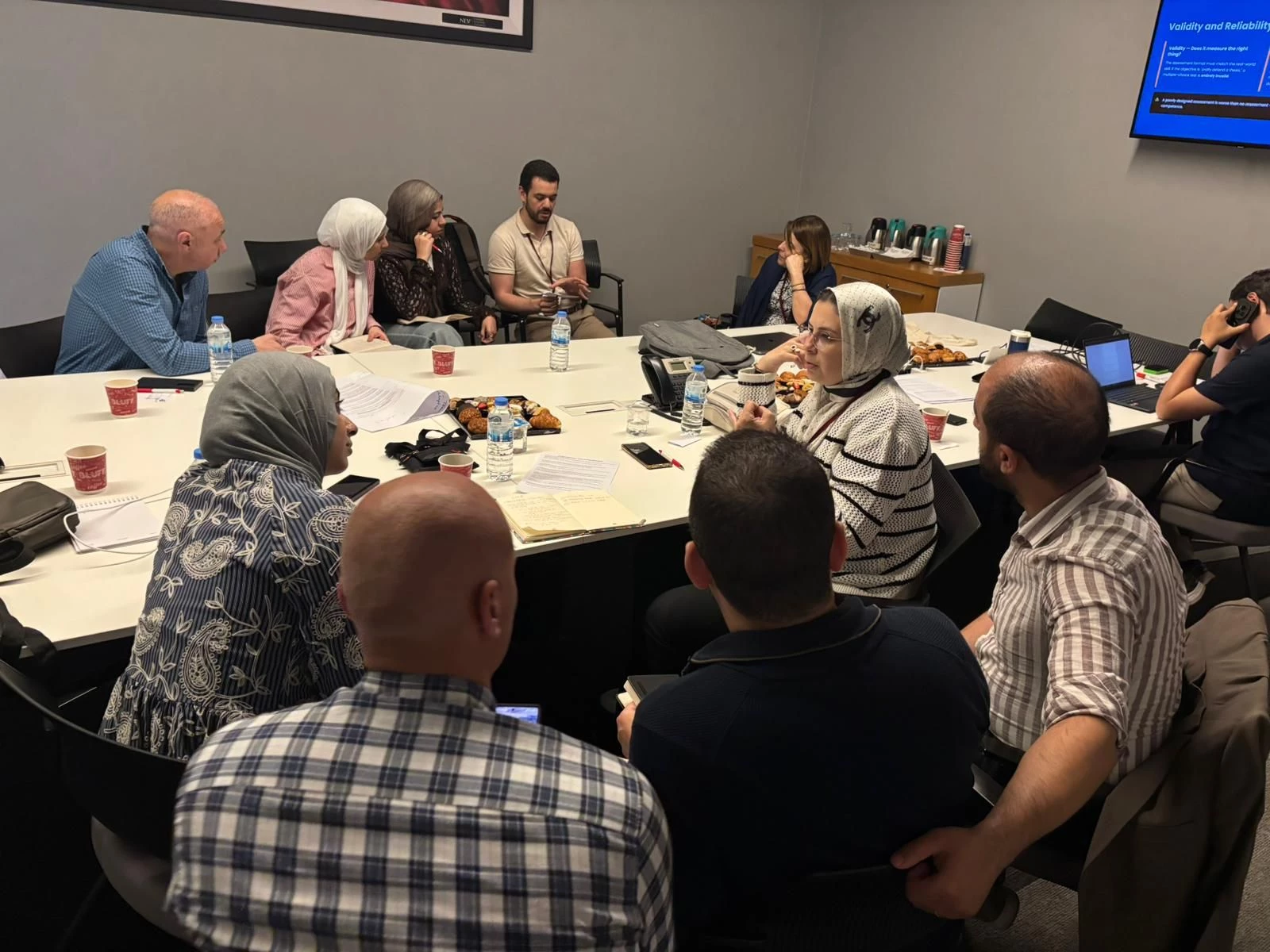
The program followed a highly interactive and practical approach, allowing participants to learn through hands-on activities, peer exchange, group discussions, and practical training exercises. This learner-centered methodology provided participants with opportunities to apply the concepts and techniques introduced throughout the sessions.
The training also provided an important platform for knowledge exchange and collaboration among participants, trainers, and project partners. Through learning by doing and peer feedback, participants strengthened their ability to design, facilitate, and evaluate effective training activities.
The Training of Trainers program contributed to the Erasmus+ RADIO Project’s objectives by supporting capacity building and strengthening educational and professional development practices across partner institutions.
The Training of Trainers program was organized within the framework of the Erasmus+ RADIO Project, supporting capacity building, knowledge exchange, and the development of innovative educational practices among participating institutions and project partners.
Event: RADIO Training of Trainers (ToT) Program
Duration: 5 days
Location: Türkiye
Focus: Non-Formal Education, Experiential Learning and Training Methodologies
Framework: Erasmus+ RADIO Project
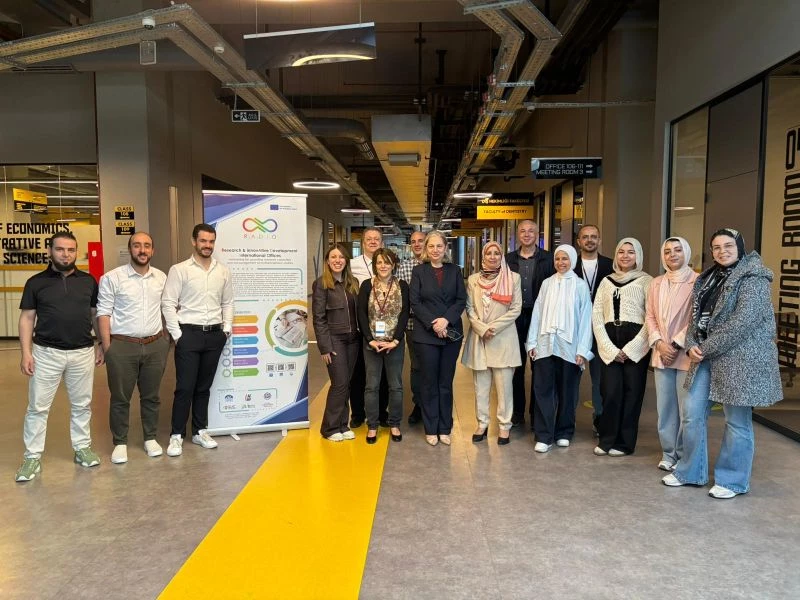
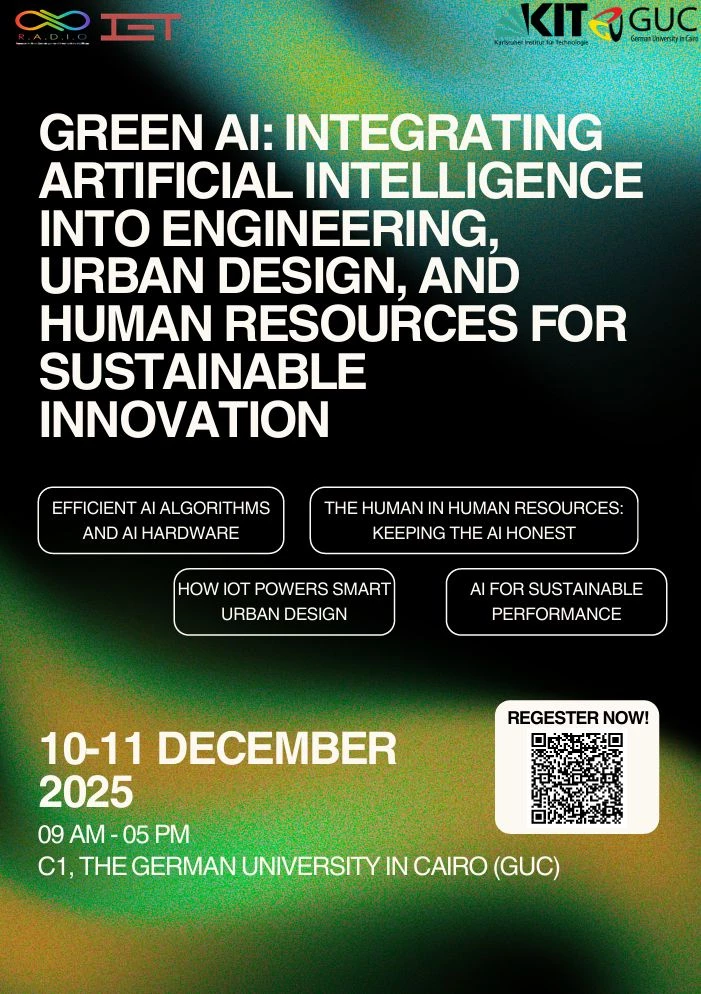
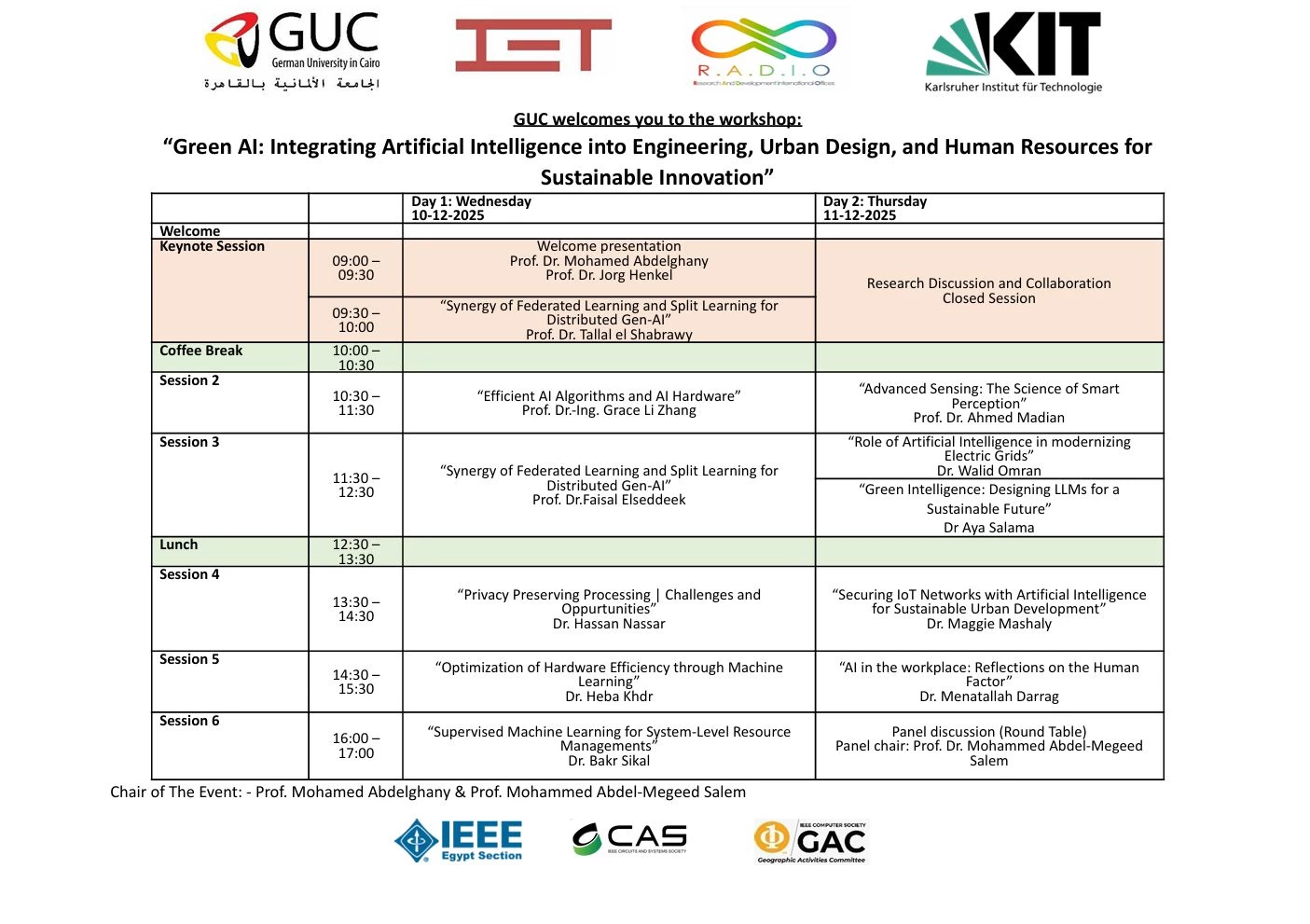
The German University in Cairo (GUC), as part of the Erasmus+ RADIO Project, welcomed participants to the Green AI Workshop titled “Integrating Artificial Intelligence into Engineering, Urban Design, and Human Resources for Sustainable Innovation,” held on 10–11 December 2025.
The two-day interdisciplinary workshop brought together academics, researchers, and professionals to explore the growing role of Artificial Intelligence in supporting sustainable innovation across engineering, urban design, and human resources.
The workshop featured a diverse program combining keynote presentations, technical sessions, research discussions, and collaborative activities, providing participants with opportunities to exchange knowledge, explore emerging technologies, and discuss innovative applications of Artificial Intelligence.
The workshop addressed a range of topics related to Green AI and sustainable technological development, including:
Artificial Intelligence for Sustainable Innovation
AI Applications in Engineering
AI and Smart Urban Design
AI-Driven Human Resources
Intelligent and Sustainable Systems
Emerging AI Technologies and Applications
Interdisciplinary Research and Collaboration
The event provided a valuable platform for participants to engage with researchers and experts, exchange ideas, and explore opportunities for interdisciplinary collaboration. The combination of technical presentations and interactive discussions encouraged knowledge sharing and contributed to building a stronger understanding of the potential of AI to support sustainable development.
The Green AI Workshop also represented an important opportunity to strengthen research cooperation, capacity building, and knowledge exchange among participating institutions within the framework of the Erasmus+ RADIO Project.
The Green AI Workshop was organized within the framework of the Erasmus+ RADIO Project, supporting education, research collaboration, capacity building, knowledge exchange, and the development of innovative approaches to emerging technologies and sustainable digital transformation.
Event: Green AI Workshop – Integrating Artificial Intelligence for Sustainable Innovation
Date: 10–11 December 2025
Organizer/Host: German University in Cairo (GUC)
Focus: Green AI, Sustainable Innovation and Interdisciplinary AI Applications
Framework: Erasmus+ RADIO Project
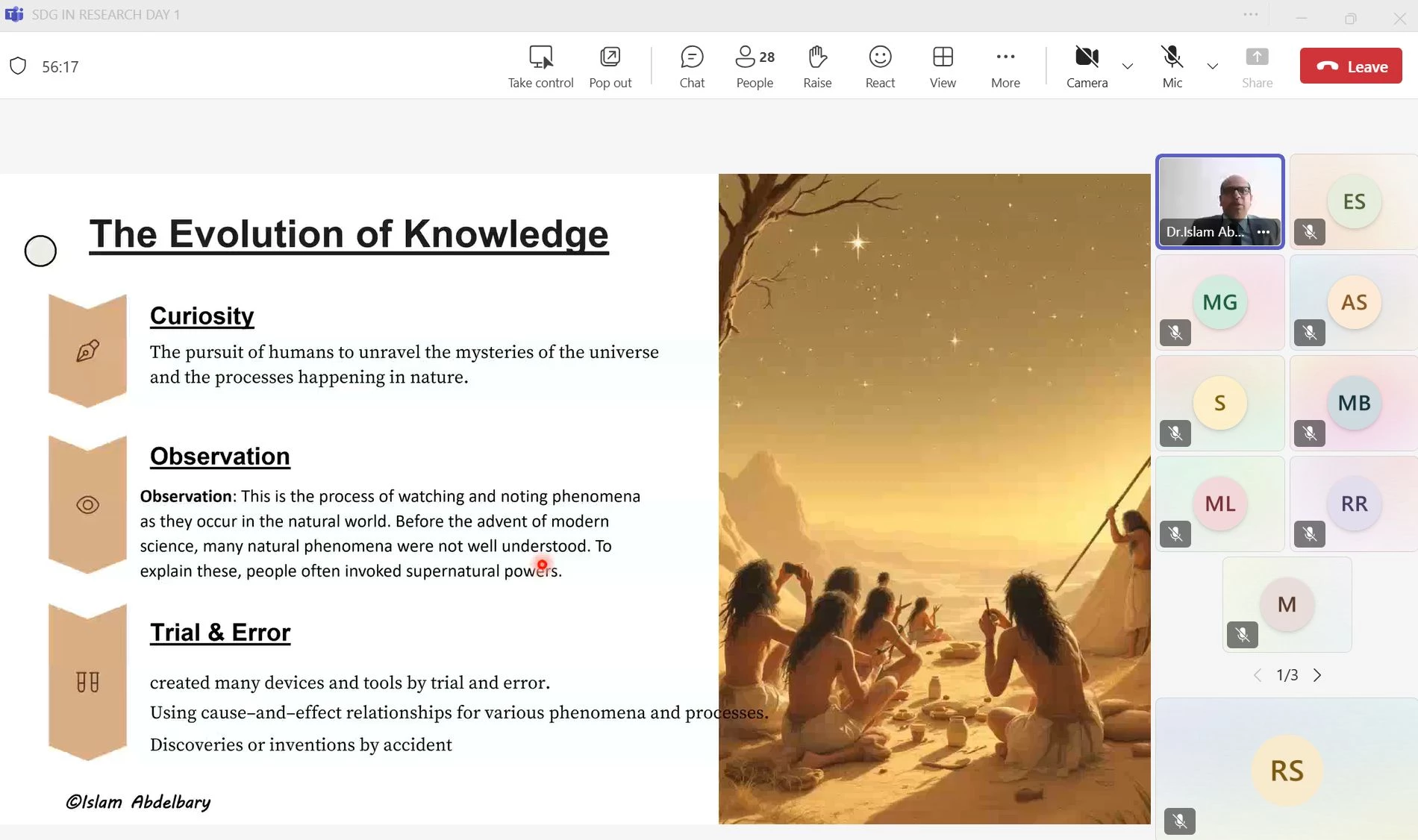
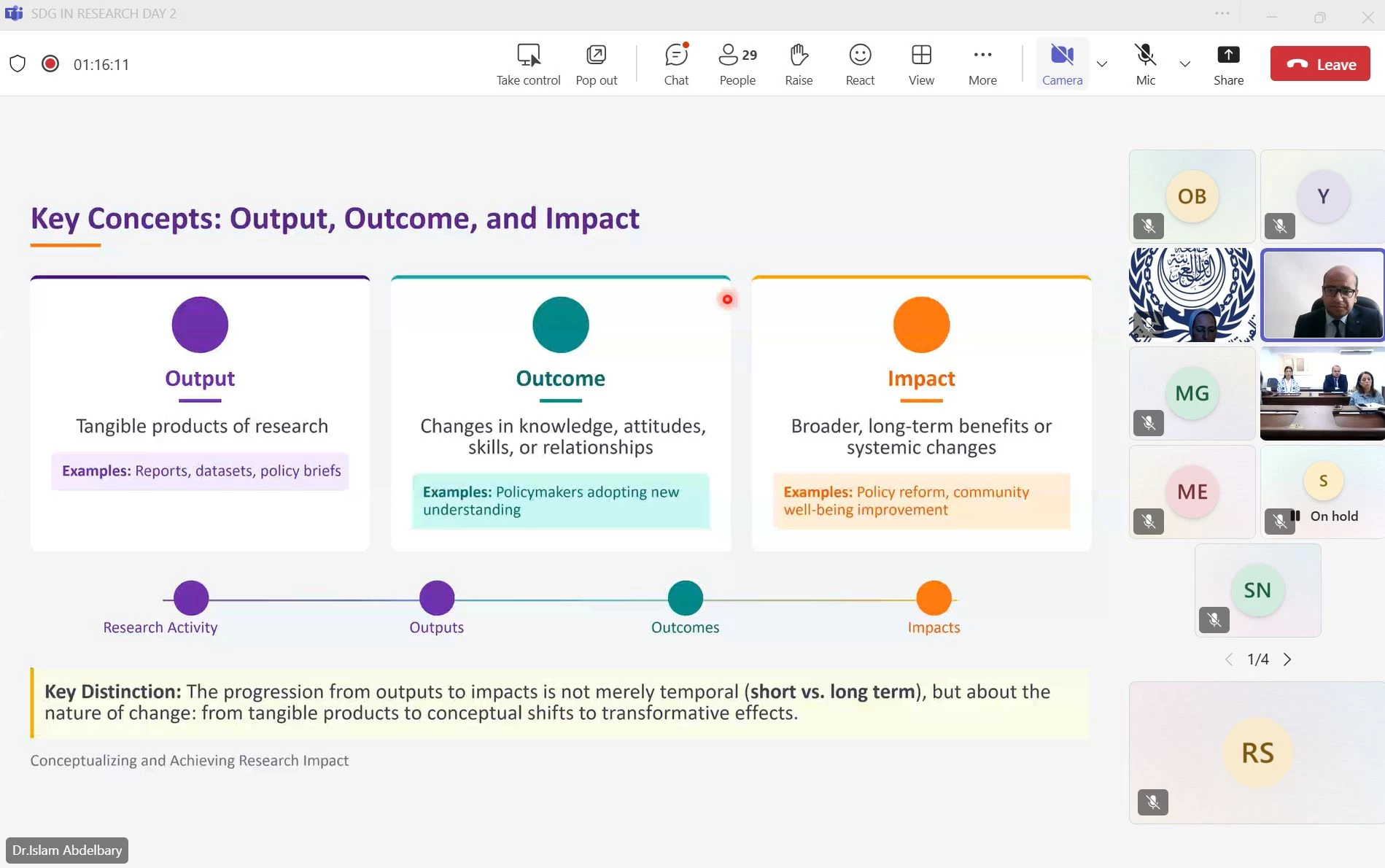
As part of the Erasmus+ RADIO Project, an intensive two-day “Research and SDGs” workshop was successfully conducted, bringing together faculty members, researchers, and administrative staff from various disciplines to explore ways of enhancing the quality, relevance, and global impact of scientific research.
The workshop focused on strengthening participants’ understanding of the United Nations Sustainable Development Goals (SDGs) and their connection to scientific research. It provided participants with practical approaches for aligning research outcomes with global sustainability priorities and increasing the visibility and impact of their scientific work.
Throughout the workshop, participants developed knowledge and skills in several key areas, including:
Linking Sustainable Development Goals (SDGs) to scientific research outcomes
Designing impactful and interdisciplinary research
Enhancing the quality and relevance of research outputs
Understanding research ranking mechanisms
Improving the global visibility of scientific research
Assessing the alignment of published research with the SDGs
A key component of the workshop was a hands-on practical exercise, during which participants reviewed and critically assessed their own published research to identify its alignment with the Sustainable Development Goals and evaluate its potential broader impact.
The interactive nature of the workshop encouraged participants to exchange experiences and perspectives across different academic and professional disciplines. The sessions emphasized the importance of developing research that not only achieves scientific excellence but also contributes meaningfully to addressing global challenges.
The workshop contributed to the capacity building and professional development of faculty members, researchers, and administrative staff, while promoting a stronger culture of interdisciplinary and impact-oriented research within the framework of the Erasmus+ RADIO Project.
The activity also highlighted the importance of connecting scientific research with global development priorities and encouraged participants to pursue research initiatives capable of generating meaningful and sustainable societal impact.
The “Research and SDGs” workshop was organized within the framework of the Erasmus+ RADIO Project, supporting capacity building, research development, knowledge exchange, interdisciplinary collaboration, and the enhancement of research impact and visibility.
Activity: Research and SDGs Workshop
Duration: Two days
Participants: Faculty Members, Researchers and Administrative Staff
Focus: Sustainable Development Goals, Scientific Research and Research Impact
Framework: Erasmus+ RADIO Project
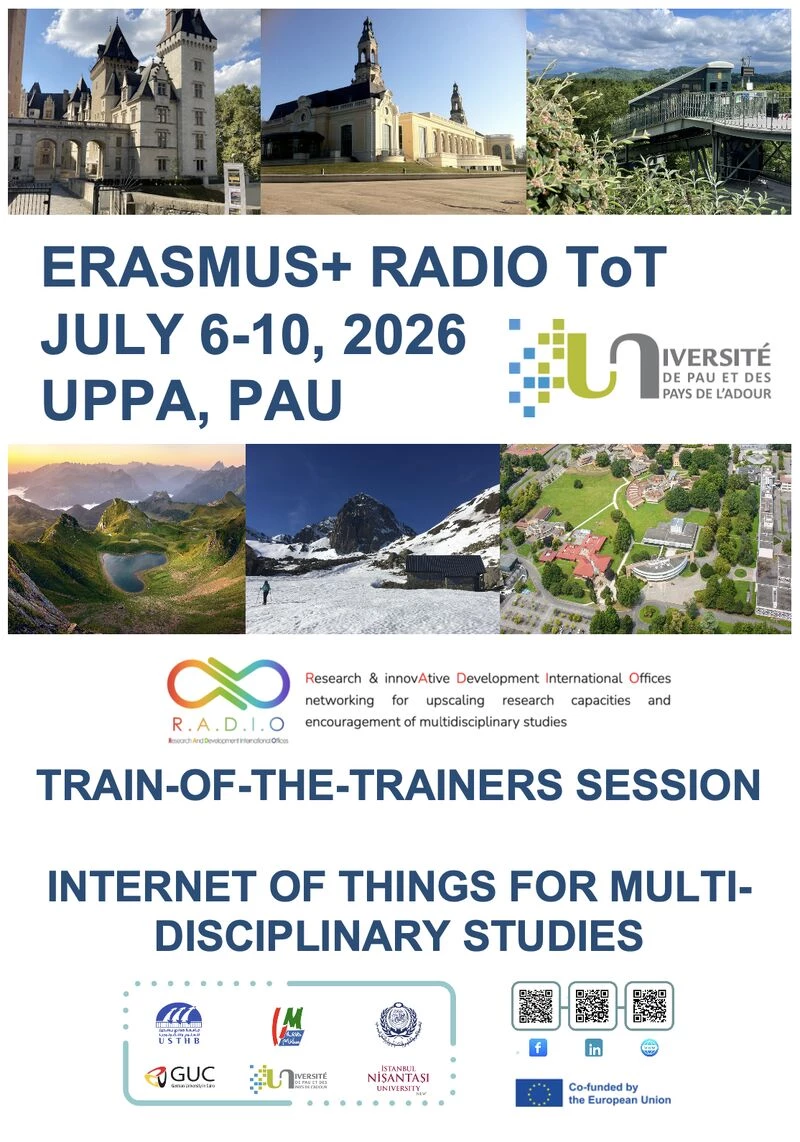
The University of Pau and Pays de l’Adour (UPPA), as part of the Erasmus+ RADIO Project, prepared a Train-of-the-Trainers (ToT) session entitled “Internet-of-Things for Multi-disciplinary Studies,” scheduled to take place from 6 to 10 July 2026.
Led by Prof. Congduc Pham and the UPPA team, the training activity was designed as part of the RADIO Project’s capacity-building activities, with a focus on strengthening knowledge and practical competencies in Internet of Things (IoT) technologies and their applications across multidisciplinary fields.
The ToT session aims to provide participants with an opportunity to explore the fundamental concepts and applications of IoT while developing practical skills that can be transferred to different academic and professional contexts.
The planned training focuses on:
Internet of Things (IoT) Fundamentals
IoT Technologies and Systems
Practical IoT Applications
IoT for Multi-disciplinary Studies
Hands-on Learning and Experimentation
Knowledge Transfer and Capacity Building
The activity is designed to combine theoretical learning with practical and interactive approaches, enabling participants to gain a better understanding of IoT technologies and their potential applications in multidisciplinary research and education.
The preparation of the training reflects the commitment of the UPPA team to supporting the capacity-building objectives of the Erasmus+ RADIO Project and to providing participants with relevant technical knowledge, practical experience, and transferable skills in emerging digital technologies.
The session also aims to encourage knowledge exchange, collaboration, and the sharing of experiences among trainers and participants, contributing to the development of a stronger network of expertise in IoT and related technologies.
The Train-of-the-Trainers session is organized within the framework of the Erasmus+ RADIO Project, supporting capacity building, knowledge exchange, professional development, and the development of advanced technological competencies among participating institutions and their academic communities.
Activity: RADIO Train-of-the-Trainers (ToT) Session
Title: Internet-of-Things for Multi-disciplinary Studies
Date: 6–10 July 2026
Host Institution: University of Pau and Pays de l’Adour (UPPA)
Lead: Prof. Congduc Pham and the UPPA Team
Focus: Internet of Things (IoT), Multi-disciplinary Studies and Capacity Building
Framework: Erasmus+ RADIO Project
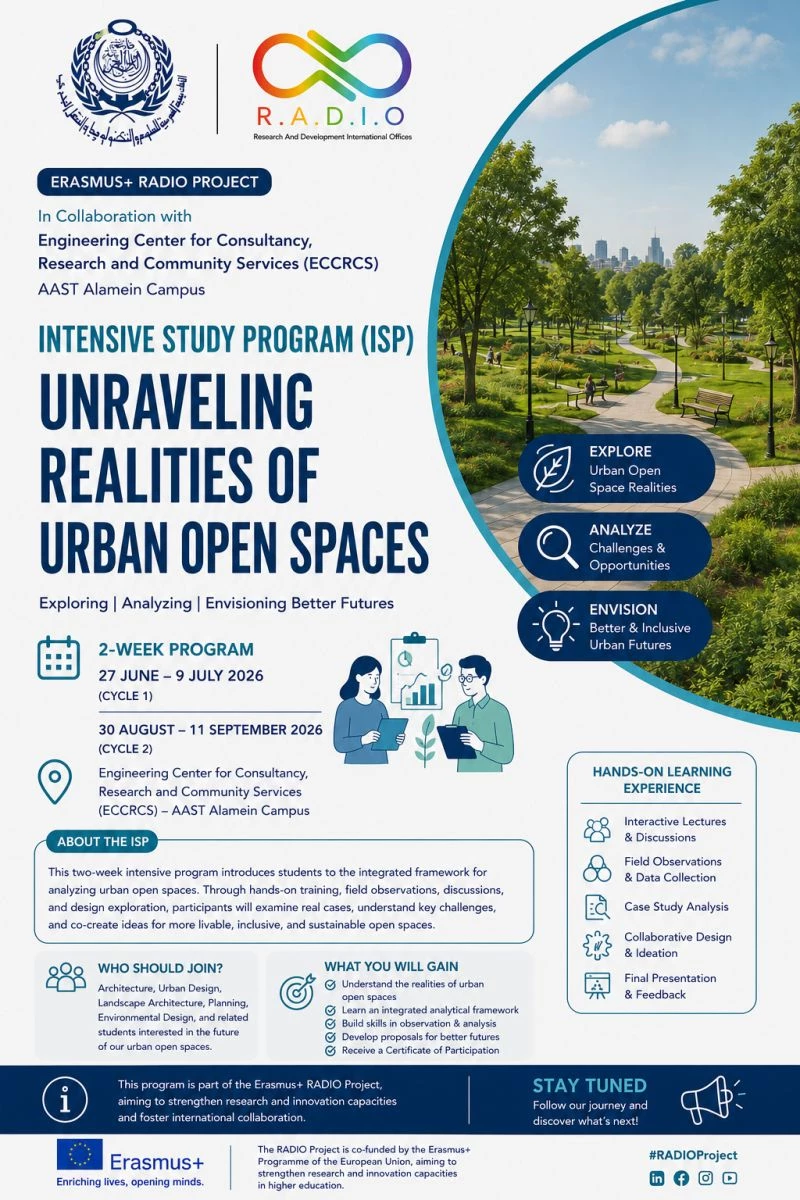
The Arab Academy for Science, Technology and Maritime Transport (AASTMT), as part of the Erasmus+ RADIO Project, launched its first Intensive Study Program (ISP) in collaboration with the Engineering Center for Consultancy, Research and Community Services (ECCRCS).
The two-week intensive research training program brought together architecture engineering researchers to explore the realities and challenges of urban open spaces through a practical, hands-on, and research-driven approach.
Rather than focusing solely on theoretical research methodologies, the program provided participants with direct experience across the different stages of the research process. Participants engaged in field observation, data collection, analysis, visualization, and evidence-based interpretation of three important urban open spaces in Alexandria.
The program aimed to strengthen participants' practical research skills while encouraging scientific thinking and active engagement with real-world urban challenges.
Throughout the program, participants explored key areas including:
Urban Open Spaces Research
Field Observation and Data Collection
Research Methodologies and Practical Applications
Data Analysis and Visualization
Evidence-Based Interpretation
Urban and Architectural Research
Community-Oriented Research
The collaboration between AASTMT and ECCRCS reflects a shared commitment to bridging education, research, and community engagement. By providing participants with direct involvement in real research activities, the program aimed to empower the next generation of researchers with practical experience and the ability to contribute actively to research projects addressing real urban challenges.
The ISP also contributed to the capacity-building objectives of the Erasmus+ RADIO Project by strengthening research competencies, promoting hands-on learning, and encouraging collaboration between academic and research communities.
Through this initiative, participants gained valuable experience in applying research methods to real urban environments while developing analytical and scientific skills that can support future research and innovation activities.
The Intensive Study Program was organized within the framework of the Erasmus+ RADIO Project, supporting capacity building, research training, knowledge exchange, interdisciplinary collaboration, and stronger links between education, research, and community engagement.
Activity: Intensive Study Program (ISP)
Title: Urban Open Spaces Research Training Program
Duration: Two weeks
Organizer: Arab Academy for Science, Technology and Maritime Transport (AASTMT)
In Collaboration With: Engineering Center for Consultancy, Research and Community Services (ECCRCS)
Focus: Urban Open Spaces, Architecture, Research Training and Community Engagement
Framework: Erasmus+ RADIO Project
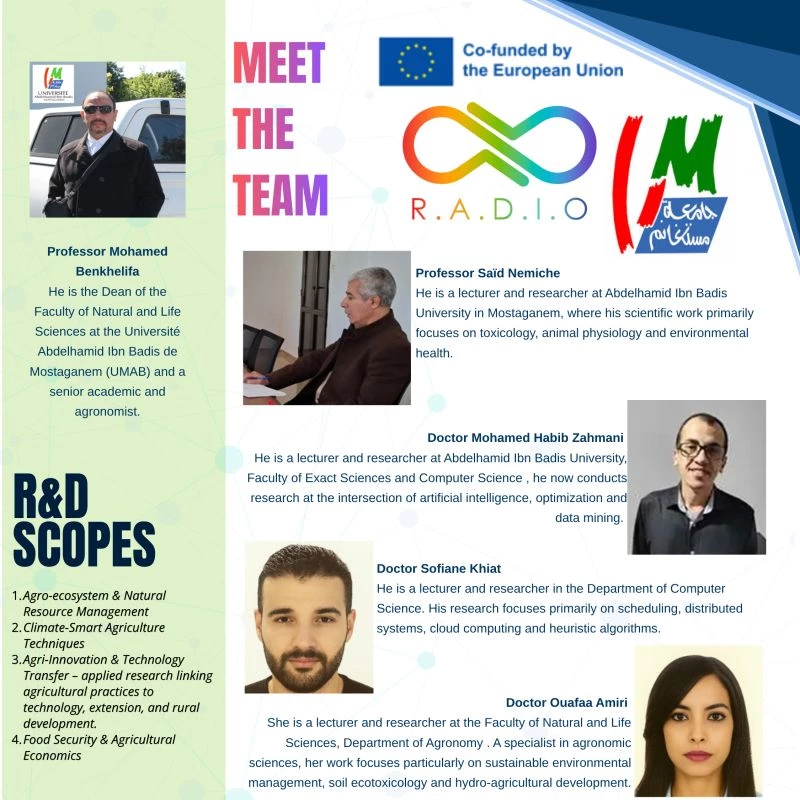
The University of Mostaganem (UMAB), as part of the Erasmus+ RADIO Project, is contributing multidisciplinary research expertise to advance innovation in smart agriculture, environmental sustainability, and climate-resilient agricultural systems.
The UMAB research team brings together expertise across agriculture, environmental science, and sustainable systems, with a strong focus on translating scientific knowledge into practical solutions addressing current agricultural and environmental challenges.
The team’s key areas of research expertise include:
Climate-Smart Agriculture Technologies
Agri-Innovation and Technology Transfer
Food Security and Agricultural Economics
Environmental Health and Toxicology
Sustainable Agro-Ecosystem Development
With strong backgrounds in soil science, environmental health, and agricultural sustainability, UMAB researchers work toward developing innovative approaches that can support resilient agricultural systems and contribute to sustainable development.
The research team is particularly interested in strengthening collaboration and developing partnerships in several areas, including smart agriculture, climate adaptation strategies, sustainable food systems, and environmental health research.
Through interdisciplinary research and knowledge exchange, the UMAB team aims to contribute to the development of innovative and sustainable solutions for the agricultural sector while addressing emerging challenges related to climate change, food security, and environmental sustainability.
The activity highlights the importance of research collaboration, multidisciplinary expertise, and technology transfer in addressing real-world challenges and strengthening research capacities within the Erasmus+ RADIO Project.
The activity forms part of the Erasmus+ RADIO Project, which supports research capacity building, multidisciplinary collaboration, knowledge exchange, and the development of stronger partnerships between higher education and research institutions.
Activity: UMAB Research Team – Smart Agriculture and Sustainability
Institution: University of Mostaganem (UMAB)
Focus: Smart Agriculture, Climate Innovation, Sustainability and Research Collaboration
Key Areas: Agri-Innovation, Food Security, Environmental Health and Sustainable Agro-Ecosystems
Framework: Erasmus+ RADIO Project