



 Goal 14. Life Below Water
14.5.4 Collaboration for Shared Aquatic Ecosystems

2024-2025
1.The TouMaLi Research Project is a comprehensive, multi-year initiative scheduled to run from 2021 to 2025.
Reducing marine litter in Northern Africa—specifically in countries like Algeria, Egypt, Morocco, and Tunisia—is essential for protecting the region’s rich marine ecosystems. The strategy involves implementing sustainable waste management practices, promoting recycling, and encouraging reuse to minimize environmental impact. Key actions include coastal monitoring to track pollution levels, conducting comprehensive pollution assessments, and reviewing existing waste management systems to identify areas for improvement. It also involves implementing legal and technical solutions through close collaboration with local stakeholders, as well as capacity-building programs and public awareness campaigns on marine conservation. In August 2021, the TouMaLi project was launched by the University of Rostock, the Leibniz Institute for Baltic Sea Research Warnemünde (IOW), the Arab Academy for Science, Technology, and Maritime Transport (AASTMT), and other partners. This project aims to combat tourism-related marine litter in Egypt, Morocco, Tunisia, and Algeria. Local partners include AASTMT and various Egyptian ministries, with funding of approximately 4.2 million euros from Germany's BMU, supported by ZUG gGmbH. Ultimately, this initiative is dedicated to advancing Sustainable Development Goal 14—life below water—by addressing the pressing issue of marine litter, especially plastics, to preserve ocean health for future generations.
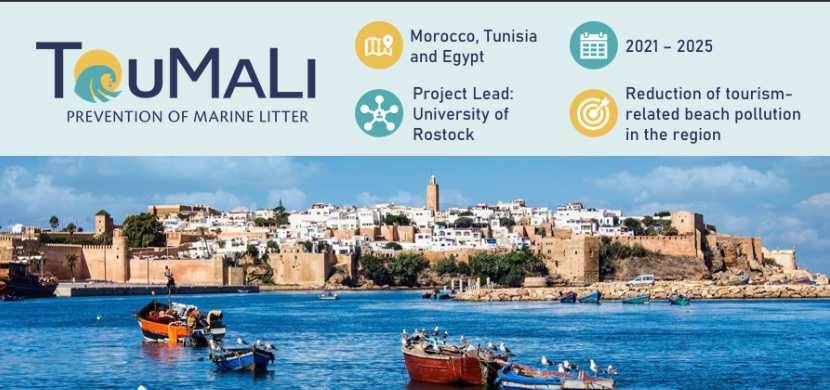
Link 1: TouMaLi research project (2021-2025)
Link 2: TouMaLi research project (2021-2025)
Link 3: TouMaLi research project (2021-2025)
Link 4: TouMaLi research project (2021-2025)
https://toumali.org/en/partners
https://toumali.org/sites/toumali.org/files/documents/toumali_factsheet_eng.pdf
In the World Fisheries Day: AASTMT–Damietta Dialogue on Sustainable Fisheries and Aquatic Resource Conservation
Date: 21 November 2024 (World Fisheries Day)
Location: Damietta Governorate, Egypt
AASTMT Role: Institutional representative and prospective cooperation partner.
Representing AASTMT: College of Fisheries and Aquaculture Technology (CFAT).
Other Party: Governor of Damietta, Egypt.
Nature of Activity: Institutional meeting and discussion on fisheries and aquaculture development.
On 21 November 2024, coinciding with World Fisheries Day, representatives of the College of Fisheries and Aquaculture Technology (CFAT), Arab Academy for Science, Technology and Maritime Transport (AASTMT), met with Her Excellency the Governor of Damietta to discuss opportunities for cooperation in sustainable fisheries and aquaculture development.
The discussions addressed strategies to promote responsible fisheries management, conserve aquatic resources, strengthen capacity-building opportunities, and support employment prospects within the fisheries and aquaculture sectors.
The meeting also explored potential collaboration between Damietta Governorate and AASTMT to facilitate knowledge exchange, strengthen institutional cooperation, and support the sustainable development of the fisheries and aquaculture sectors in the governorate.
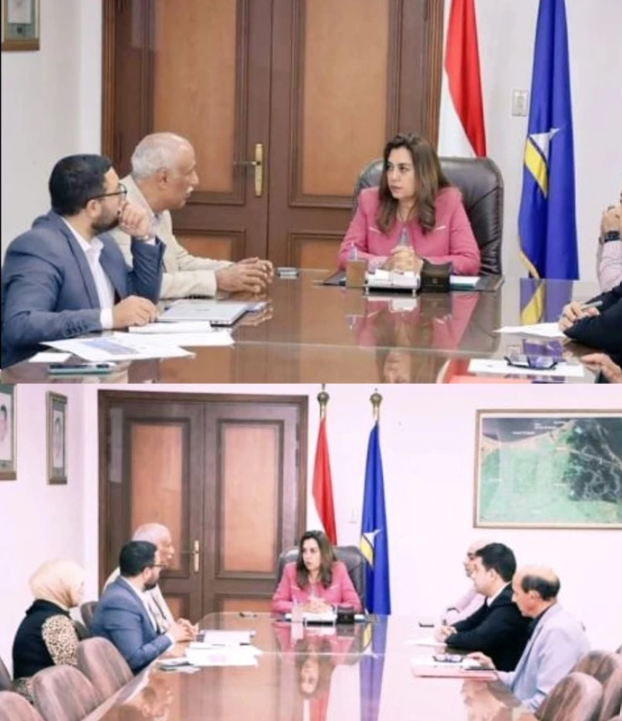
- Life Below Water-Alexandria | AASTMT
- https://lnkd.in/p/eCCj75EZ
- 3.The college regularly represents Egypt in working groups on stock assessment (WGSA) for demersal species (WGSAD) and small-pelagic species (WGSASP), organized by the General Fisheries Commission for the Mediterranean (GFCM), Food and Agriculture Organization of the United Nations.
Meeting Dates: 8–13 December 2025
Location: Metropolitan City of Rome Capital, Italy
Organizing Body: General Fisheries Commission for the Mediterranean (GFCM)
AASTMT Role: Scientific participants and institutional representatives.
AASTMT Representatives:
- Prof. Hatem Hanafy Mahmoud
- Dr. Reda Magdi Fahim
The Arab Academy for Science, Technology and Maritime Transport (AASTMT), through its College of Fisheries and Aquaculture Technology, was represented by Prof. Hatem Hanafy Mahmoud and Dr. Reda Magdi Fahim at the General Fisheries Commission for the Mediterranean (GFCM) Working Group on Stock Assessment of Small Pelagic Species, held in the Metropolitan City of Rome Capital, Italy, from 8 to 13 December 2025.
The meeting provided a scientific platform to discuss the assessment of small pelagic fish stocks, exchange fisheries research expertise, and address approaches to sustainable fisheries management and the conservation of marine living resources in the Mediterranean region.
Through the participation of its academic representatives, AASTMT contributed to regional scientific exchange and strengthened its engagement with international fisheries research and stock assessment activities.
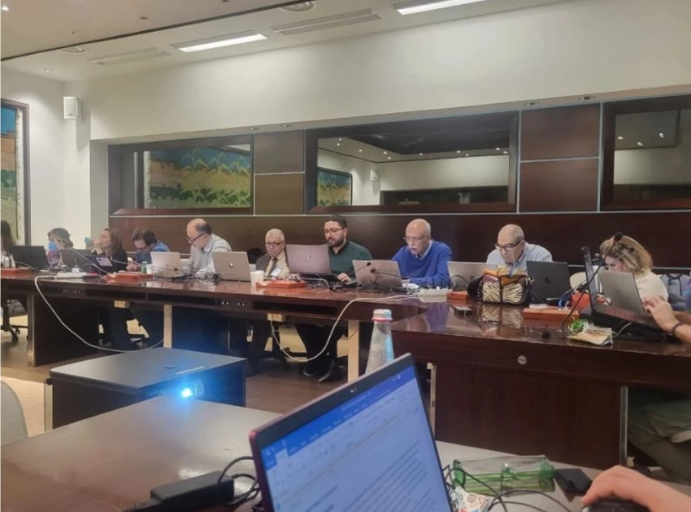
- Life Below Water-Alexandria | AASTMT
- https://www.fao.org/europe/events/detail/working-group-on-stock-assessment-of-small-pelagic-species/en?utm_source=chatgpt.com
- https://lnkd.in/p/e73DmD8F
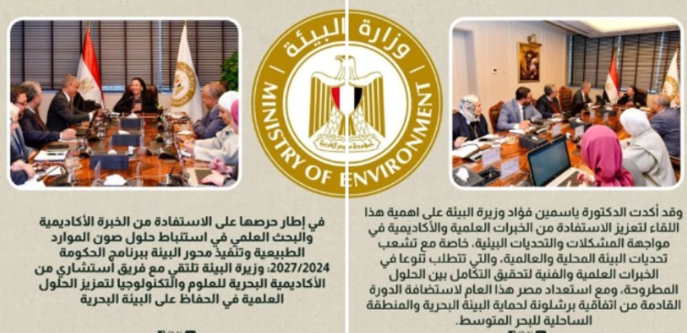
AASTMT Fisheries Expert Contributes to Egypt’s Environmental Sustainability Strategy 2024–2027
On 14 Jan 2025, the Arab Academy for Science, Technology and Maritime Transport (AASTMT) participated in high-level consultations with H.E. the Minister of Environment through a specialized advisory team, contributing scientific and technical expertise to the implementation of Egypt’s Governmental Program 2024–2027, aligned with the Sustainable Development Strategy: Egypt Vision 2030. As fisheries experts on the AASTMT advisory team, they contributed to discussions on sustainable fisheries management, responsible use of marine resources, and the conservation of marine biodiversity. The consultations emphasized the importance of science-based solutions and academic expertise in addressing environmental challenges and strengthening the resilience of marine and coastal ecosystems.
The meeting also highlighted the role of collaboration between government institutions and academic organizations in developing practical approaches to marine environmental protection and sustainable resource management. This engagement reflects AASTMT’s commitment to translating scientific knowledge into policy-oriented solutions, supporting national environmental priorities, and advancing sustainable development in Egypt. Through its contribution to the Governmental Program 2024–2027, AASTMT reaffirms its role in supporting Egypt Vision 2030 and promoting the long-term conservation of marine resources for future generations.
- Life Below Water-Alexandria | AASTMT
- https://mediadr.sis.gov.eg/handle/123456789/88108
- https://lnkd.in/p/eaG-HVyu
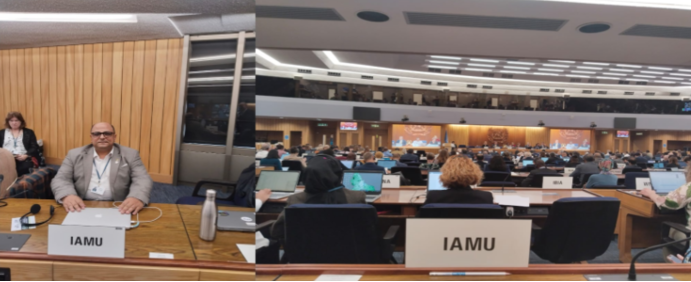
4. AASTMT attended the 82nd MEPC meeting on behalf of IAMU.
The Arab Academy for Science, Technology, and Maritime Transport (AASTMT) actively participates in the International Association of Maritime Universities (IAMU). It represented the IAMU at the Marine Environmental Protection Committee (MEPC) during its 82nd session, held from September 30 to October 4, 2024, in London, UK. Senior Lecturer Mohamed Elbawab, a member of AASTMT’s SDG 14 team, represented IAMU. Several key environmental issues were discussed, including harmful aquatic organisms in ballast water, air pollution prevention, ship energy efficiency, reduction of GHG emissions from ships, follow-up on the Action Plan to address marine plastic litter from ships, reduction of underwater radiated noise from commercial shipping, pollution prevention and response, and the identification and protection of Special Areas, ECAs, and PSSAs. The committee’s final report is available via the following link for those with an active IMODOCS account.
14.3.3 Maintain ecosystems and their biodiversity (direct work) - Life Below Water
If access is granted to IMO Docs MEPC82/J/1, a list of participants is available at this link
MEPC 82/WP.1/Rev.1 (15 October 2014)
5.Integrating Sustainable Development Goals in universities to enhance climate change management “INVOLVE.” (2021 - 2024)
The mentioned research project aims to:
- Embody the principles of the environmental SDGs through organizational governance and strategic management of Egyptian universities to ensure their strategies align with the SDGs.
- Establish the Sustainable Development Center (SDC) in Egyptian universities to enhance organizational and internal capacity and ownership of the environmental SDGs, providing the necessary knowledge, skills, and motivation to understand and address them.
- Foster the achievement of environmental SDGs in Egyptian universities by increasing their operational capacities to develop environmentally sustainable campuses.
Project Details | AASTMT Research
2023-2024
1.The TouMaLi Research Project is a comprehensive, multi-year initiative scheduled to run from 2021 to 2025.
Reducing marine litter in Northern Africa—specifically in countries like Algeria, Egypt, Morocco, and Tunisia—is essential for protecting the region’s rich marine ecosystems. The strategy involves implementing sustainable waste management practices, promoting recycling, and encouraging reuse to minimize environmental impact. Key actions include coastal monitoring to track pollution levels, conducting comprehensive pollution assessments, and reviewing existing waste management systems to identify areas for improvement. It also involves implementing legal and technical solutions through close collaboration with local stakeholders, as well as capacity building programs and raising public awareness about marine conservation. In August 2021, a collaborative effort was initiated through the TouMaLi project, launched by the University of Rostock, Leibniz Institute for Baltic Sea Research Warnemünde (IOW), Arab Academy for Science, Technology, and Maritime Transport (AASTMT), along with other partners. This project aims to combat marine litter caused by tourism in Egypt, Morocco, Tunisia, and Algeria. Local partners include AASTMT and various Egyptian ministries, with funding of approximately 4.2 million euros from Germany's BMU, supported by ZUG gGmbH. Ultimately, this initiative is dedicated to advancing Sustainable Development Goal 14—life below water—by addressing the pressing issue of marine litter, especially plastics, to preserve ocean health for future generations.
Link 1: TouMaLi research project (2021-2025)
Link 2: TouMaLi research project (2021-2025)
Link 3: TouMaLi research project (2021-2025)
Link 4: TouMaLi research project (2021-2025)
2.The college regularly represents Egypt in working groups on stock assessment (WGSA) for demersal species (WGSAD) and small-pelagic species (WGSASP), organized by the General Fisheries Commission for the Mediterranean (GFCM), Food and Agriculture Organization of the United Nations.
The recommendations from the WGSA are being submitted to the Scientific Advisory Committee on Fisheries (SAC), which gathers and evaluates information on catches, fishing efforts, fleet capacity, and other data relevant to the conservation and management of fisheries. Then, the SAC assesses the status and trends of relevant populations of living marine resources, ecosystems, and fisheries-related human components, using appropriate indicators in relation to agreed-upon biological and/or management reference points. Additionally, an independent advice provision from the SAC aims to facilitate the adoption of recommendations regarding the sustainable management of fisheries and ecosystems at regional and subregional levels, including related biological, environmental, social, and economic aspects, the ecosystem approach to fisheries, the impact of IUU fishing, and the assessment of biological and ecological implications under different management scenarios.
2022-2023
TouMali research project (2021-2025)
Reducing Tourism Marine Litter in Northern Africa through the Contribution of a Sustainable Waste Management System (Algeria, Egypt, Morocco, and Tunisia) and to recycle and reuse the unavoidable waste to reduce overall marine and beach littering sustainably. Primary activities are the development and implementation of a coastal monitoring program; the definition of a pollution baseline as well as marine litter pollution assessments; the evaluation of solid waste management and current mitigation measures; the analysis, implementation, and monitoring of legal, organizational, financial, and technical solutions and measures with local, regional and national actors; and the provision of capacity building and awareness raising in the regions.
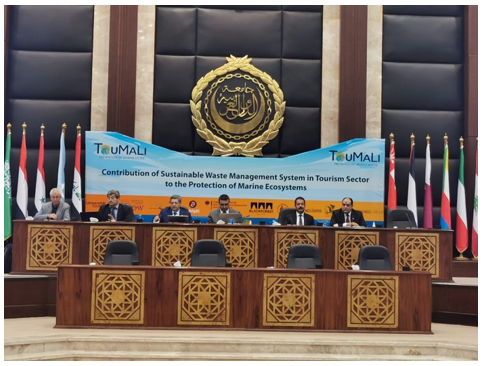

In August 2021, the University of Rostock and the Leibniz Institute for Baltic Sea Research Warnemünde (IOW), together with the Arab Academy for Science, Technology and Maritime Transport (AASTMT) and other partners including think tanks as well as universities and ministries from the project region, started a research project on Marine Litter caused by the tourism industry in Egypt, Morocco, Tunisia and Algeria called TouMaLi. Arab Academy for Science, Technology, and Maritime Transport (AASTMT) participated in this research as the local project partner in Egypt. Complimentary Egyptian Ministries for Environment, Local Development, and Tourism are involved. The project aims to develop and establish sustainable waste management solutions in the tourism sector to protect the marine ecosystems of the Middle East and North African (MENA) region. The German Federal Ministry for the Environment, Nature Conservation and Nuclear Safety (BMU) is funding the project with about 4.2 million euros from the "Funding Programme against Marine Litter". “Zukunft – Umwelt – Gesellschaft (ZUG) gGmbH“ supports the Federal Ministry in implementing its funding policy aims.
The project, led by the University of Rostock and supported by a consortium of eight other institutions from academia, think tanks and businesses, as well as local political partners, aims to significantly reduce marine litter until 2025 through the following measures: baseline assessment of marine litter pollution, development of an overall strategy for waste management, awareness raising, and capacity building as well as knowledge transfer to key stakeholders in the target region, such as hotels and communities.
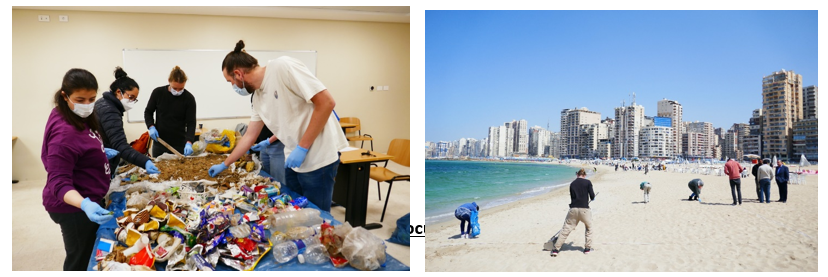
In March and April 2022, the Arab Academy and the IOW teams, supported by several local students and volunteers, surveyed several beaches around Alexandria and Marsa Matrouh.
The beaches sampled were a mix of private and public beaches. Furthermore, marinas were also examined to gain more knowledge about the overall pollution status and to assess litter emissions. Regarding beach pollution, more than 25.000 litter pieces were collected and analyzed. A preliminary assessment of the sources of pollution indicates that many of the plastic bags, candy wrappers, straws, and food packaging originate from tourism and beach users.
Link 1: TouMali research project (2021-2025)
Link 2: TouMali research project (2021-2025)
Link 3: TouMali research project (2021-2025)
Link 4: TouMali research project (2021-2025)
The College Regularly Represents Egypt In The Working Groups on Stock Assessment (WGSA) of Demersal Species (WGSAD) and Small-Pelagic Species (WGSASP) That Are Organized By The General Fisheries Commission for The Mediterranean (GFCM), Food and Agriculture Organization of The United Nations
Since 2019, the recommendations of the WGSAs are being submitted to the Scientific Advisory Committee on Fisheries (SAC), which collects and assesses information on catches, fishing efforts, fleet capacity, and other data relevant to the conservation and management of fisheries.
Then, the SAC adopts the assessment of the status and trends of relevant populations of living marine resources, ecosystems, and fisheries-related human components, using the appropriate indicators and in relation to agreed biological and/or management reference points. In addition, A provision of independent advice made by the SAC to facilitate the adoption of recommendations concerning the sustainable management of fisheries and ecosystems at the regional and subregional levels, including relevant biological, environmental, social, and economic aspects, the ecosystem approach to fisheries, the impact of IUU fishing and the assessment of biological and ecological implications under different management scenarios.
Links to the last three meetings:
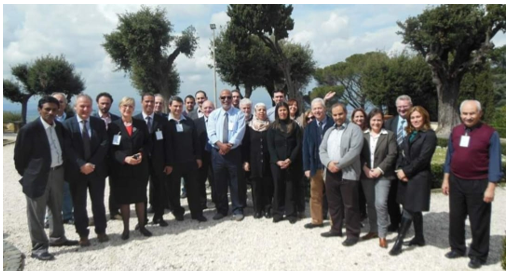
Marine litter and sustanable waste management in North-African coastal tourism regions on AASTMT webpage