AASTMT emphasises empowering women and closing gender gaps by tracking graduation outcomes and acting on the results. In 2023–2024 we monitored completion rates for undergraduate and postgraduate cohorts, broken down by gender and (where available) other characteristics to surface intersectional barriers. The analysis focused on identifying statistically meaningful differences between female and male outcomes (e.g., completion ratios, honours shares, and time-to-degree) and challenging stereotypes or bias where they appeared. Where gaps persisted, we prioritised targeted responses: mentoring and exposure to role models (e.g., science and logistics events led by women leaders), access schemes, and leadership pipelines. Continuous monitoring—using registrar records linked to cohort dashboards—supported timely decisions to protect students’ rights, improve autonomy and outcomes for women, and maintain fairness across the student body.
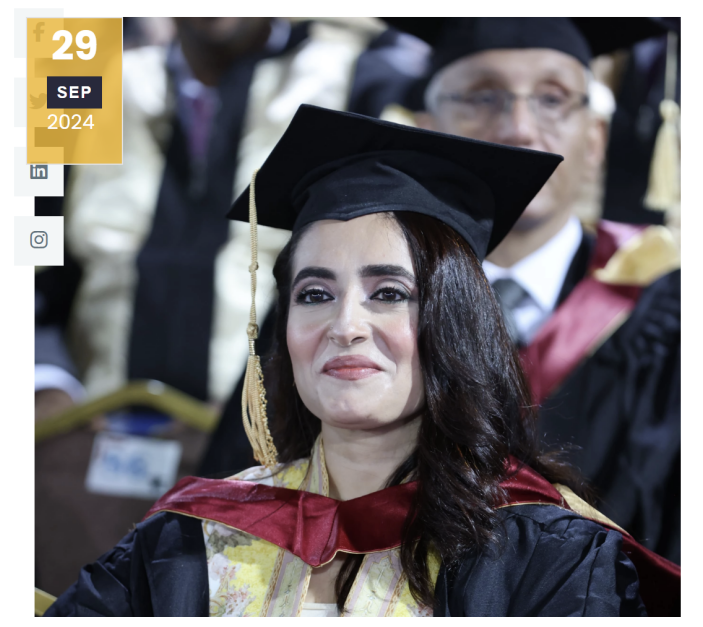
GSB (Alexandria) — graduation ceremony (29 September 2024)
A major postgraduate ceremony confirming 427 master’s and doctoral awards. This serves as a key data point for the 2023–2024 monitoring cycle, enabling comparison of female and male completion rates at scale within business disciplines, and informing any follow-up mentoring or access measures where gaps persist.
(AASTMT)
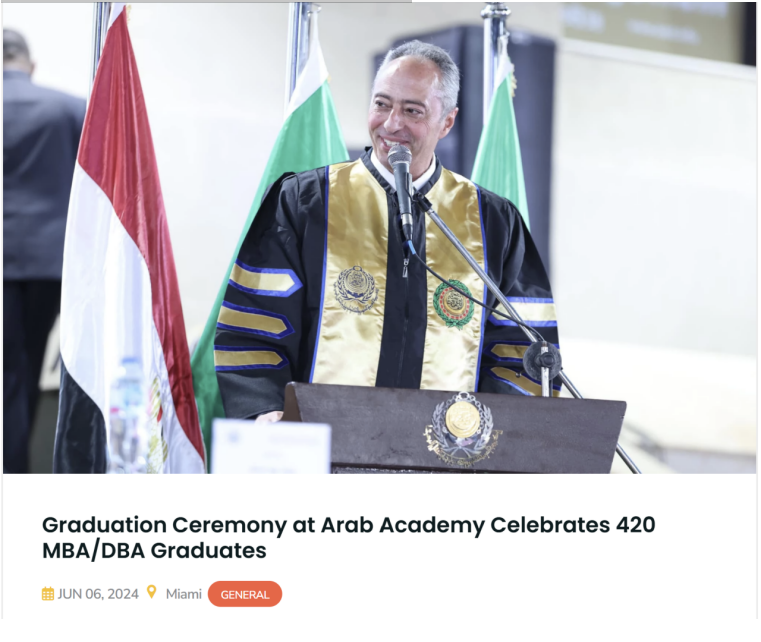
GSB (Alexandria) — graduation ceremony (3 June 2024)
A mid-year ceremony reporting 420 MBA and DBA awards. The timing allows mid-cycle analysis of outcomes by gender, helping identify early trends in completion and progression before the main autumn ceremonies.
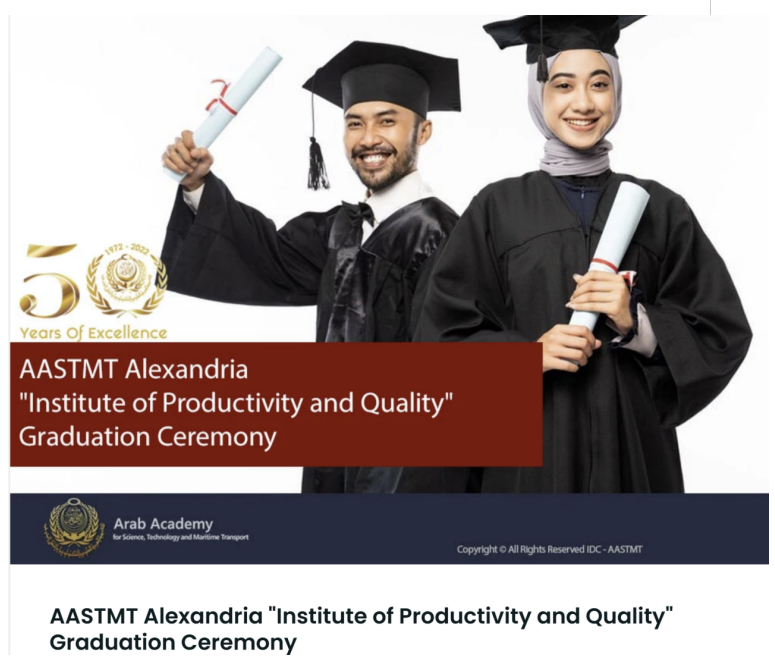
Institute of Productivity & Quality (Alexandria) — graduation ceremony (9 March 2024)
Confirms 282 MQM awards. As an engineering/operations-oriented cohort, this event broadens the evidence base beyond business programmes, supporting gender-comparative analysis across varied technical fields.
(AASTMT)
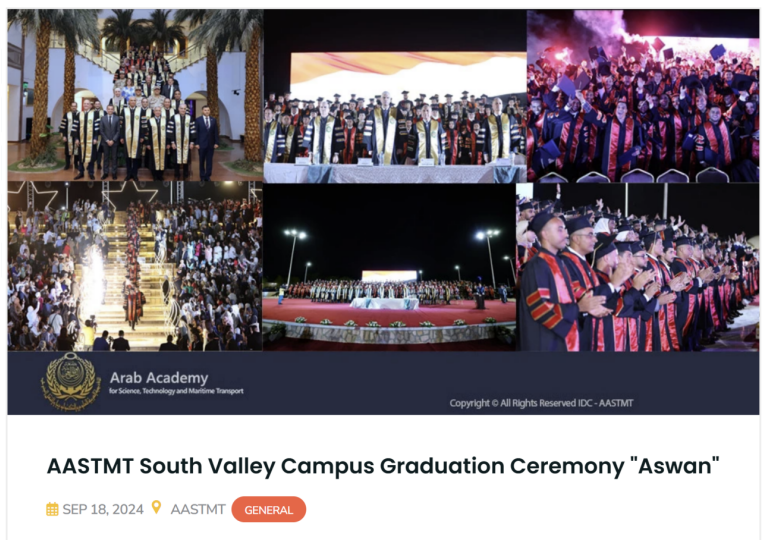
South Valley campus (Aswan) — graduation ceremony (17 September 2024)
Graduation confirmed; the public notice does not state the headcount. The event is nonetheless included as a tracking milestone; any gender breakdown is taken from internal registrar data to maintain consistency in the year-end dataset.
(AASTMT)
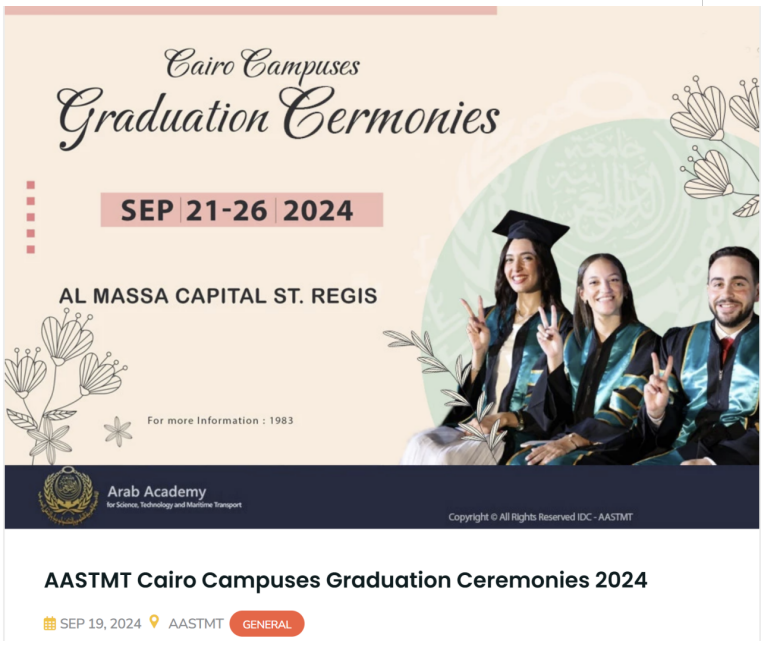
Cairo campuses — graduation week (21–26 September 2024)
A week of ceremonies across Cairo campuses. Public items confirm scheduling but not counts; these ceremonies still anchor the September reporting window, with gender disaggregation pulled from academic records for the overall 2023–2024 analysis.
(AASTMT)
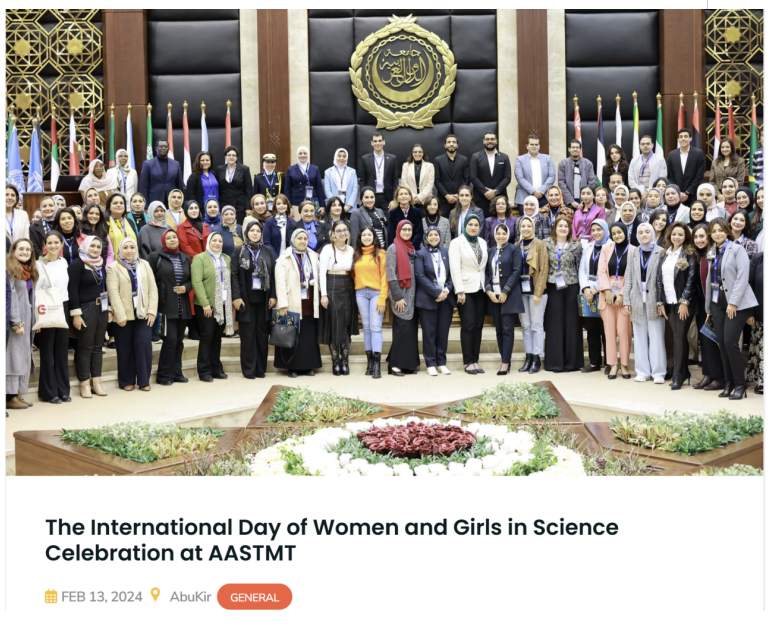
International Day of Women & Girls in Science (IDWGIS), Abu Qir (10–11 February 2024)
A two-day programme co-ordinating panels, round-tables and a working session. It functions as a structured mentoring touchpoint: students and early-career researchers interact with senior academics, map research pathways and agree follow-up actions. Outputs (e.g., contacts, working groups) feed directly into the year’s mentoring pipeline.
(AASTMT)
Women development & empowerment workshop, Alexandria (18–19 February 2024)
A hybrid event emphasising interactive segmentation of mentee needs and co-creation of solutions. Day two culminates in a prioritised training roadmap (leadership, employability, inclusive practices) and a beneficiaries’ “shark-tank” review. The format converts diagnosis of barriers into concrete mentoring and skills interventions.

(AASTMT)
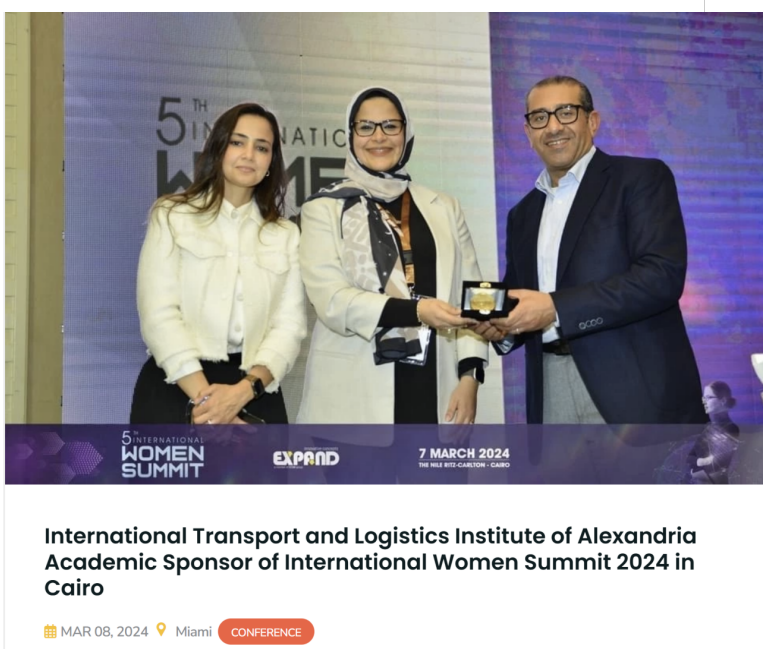
International Women Summit 2024, Cairo (7 March 2024)
AASTMT’s role as Academic Sponsor provides access to masterclasses and networking with women experts across sectors (e.g., fintech, sustainable agriculture, AI). The mix of keynotes and skills sessions strengthens mentoring outcomes by pairing advice with visible role models and follow-on contact points.
(AASTMT)
International Day for Women in Maritime (21 May 2024)
Observance highlighting role models and pathways across shipboard, port and shoreside careers, aligned with the “Safe Horizons: Women Shape the Future of Maritime Safety” theme. Regional notes include Bahrain’s celebration under the same theme and recall that the first celebration in the region was hosted at AASTMT’s New Alamein campus—useful context for sector-specific mentoring and outreach.
(AASTMT)
Monitoring women's graduation rates is essential to comprehending and resolving gender gaps in education as well as guaranteeing fair access to chances for higher education. AASTMT can uncover possible obstacles to women's success and carry out focused interventions to enhance graduation rates by tracking and evaluating these rates.
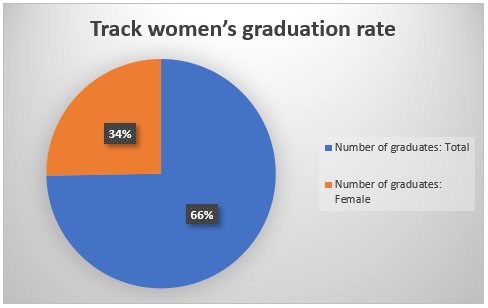
AAST have measurements or tracking of women’s likelihood of graduating compared to men’s, and schemes in place to close any gap. Women have 2643 out of 7809, which is almost 34%.
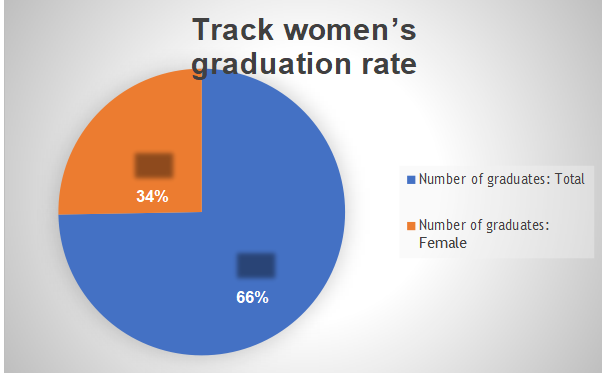
Monitoring women's graduation rates is essential to comprehending and resolving gender gaps in education as well as guaranteeing fair access to chances for higher education. AASTMT can uncover possible obstacles to women's success and carry out focused interventions to enhance graduation rates by tracking and evaluating these rates.
AAST have measurement or tracking of women’s likelihood of graduating compared to men’s, and schemes in place to close any gap. Woman’s have 2643 out of 7809, which is almost 34%.