Very High Impact (Supporting all 17 Sustainable Development Goals)
Executive Summary
The Arab Academy for Science, Technology and Maritime Transport (AASTMT) is a regional institution of excellence operating under the League of Arab States, with a strategic commitment to advancing sustainable development through education, scientific research, innovation, entrepreneurship, community engagement, and international collaboration. Sustainability is embedded throughout the Academy's institutional strategy and academic mission, ensuring that graduates, researchers, industry partners, and surrounding communities contribute meaningfully to the implementation of the United Nations 2030 Agenda for Sustainable Development.
AASTMT adopts a whole-institution approach to sustainability. Rather than treating sustainability as a standalone discipline, the Academy integrates sustainability principles into academic curricula, multidisciplinary research, professional training, innovation ecosystems, student activities, community services, and international partnerships. This institutional approach enables sustainability concepts to be embedded across engineering, maritime transport, logistics, management, artificial intelligence, computing, pharmacy, medicine, dentistry, fisheries, archaeology, law, political science, languages, and other academic disciplines.
During the current reporting period, AASTMT demonstrated significant institutional achievements that collectively support the Sustainable Development Goals, including:
|
Indicator |
Institutional Achievement |
|
Sustainability-related courses/modules |
11,474 |
|
Total courses/modules offered |
13,330 |
|
Sustainability-related academic programmes |
31 |
|
Sustainability publications (Scopus 2022–2025) |
1,397 |
|
International sustainability collaborations |
78 |
|
Sustainability-related events |
578 |
|
Student sustainability activities |
≈45 annually |
These achievements demonstrate that sustainability has become an integral component of AASTMT's educational philosophy, research agenda, and institutional development.
Institutional Commitment to Sustainable Development
AASTMT recognises higher education as a catalyst for sustainable transformation. Accordingly, sustainability principles are incorporated into strategic planning, curriculum design, scientific research priorities, campus operations, international partnerships, and community outreach initiatives.
The Academy's sustainability framework aligns with:
This alignment ensures that graduates are equipped with the knowledge, competencies, and leadership skills required to address global sustainability challenges.
Institutionally, sustainability is promoted through:
Education as a Driver of Sustainable Development
AASTMT has transformed sustainability education from isolated environmental courses into an institution-wide educational philosophy.
Sustainability concepts are integrated across undergraduate, postgraduate, executive education, and professional development programmes offered by all academic colleges.
Major educational themes include:
Students acquire theoretical knowledge together with practical competencies through:
This educational model contributes directly to producing graduates capable of leading sustainable development across Egypt, the Arab region, Africa, and internationally.
Research Excellence Supporting Sustainable Development
Scientific research represents one of the strongest pillars of AASTMT's contribution to the SDGs.
During the reporting period, researchers produced 1,397 sustainability-related scholarly publications indexed in Scopus, covering nearly all SDG themes, with particularly strong performance in affordable and clean energy, industry and innovation, climate action, sustainable cities, clean water, health, and responsible consumption.
Research activities address strategic challenges including:
The Academy actively participates in international collaborative research funded through programmes such as Erasmus+, Horizon Europe, PRIMA, Interreg NEXT MED, EMFAF, the British Council, and other international funding mechanisms. During the reporting period, AASTMT participated in numerous sustainability-focused projects with a combined portfolio exceeding USD 31 million, addressing topics including engineering education, sustainable agriculture, blue economy, renewable energy, smart cities, climate resilience, and green innovation.
Institutional Sustainability Ecosystem
AASTMT has developed an integrated sustainability ecosystem in which education, research, innovation, entrepreneurship, and community engagement reinforce one another.
The ecosystem connects:
Through this integrated model, academic knowledge is translated into practical solutions addressing environmental protection, economic resilience, technological innovation, social inclusion, and sustainable governance.
The Academy also promotes sustainability through student organisations, awareness campaigns, volunteering initiatives, international competitions, professional development programmes, and community service activities, ensuring that sustainability becomes an essential part of students' academic and personal development.
AASTMT Qualifies for "Very High Impact"
The collective evidence demonstrates that sustainability is embedded throughout AASTMT's institutional ecosystem rather than confined to individual projects or departments.
AASTMT contributes directly to:
These institutional efforts support all 17 Sustainable Development Goals, with particularly strong contributions to SDGs 4, 7, 8, 9, 11, 12, 13, 14, and 17, while also contributing to SDGs 1, 2, 3, 5, 6, 10, 15, and 16 through interdisciplinary education, research, public health initiatives, gender empowerment, water management, biodiversity conservation, social inclusion, governance, and international partnerships.
Educational Impact Supporting Sustainable Development
Education represents the cornerstone of the Arab Academy for Science, Technology and Maritime Transport's contribution to sustainable development. Through its multidisciplinary academic portfolio, AASTMT equips graduates with the scientific knowledge, technical competencies, ethical values, leadership skills, and innovation capabilities necessary to address global sustainability challenges.
Rather than restricting sustainability education to environmental sciences, AASTMT adopts a university-wide approach that integrates sustainability principles across engineering, maritime sciences, logistics, business, artificial intelligence, computing, medicine, pharmacy, dentistry, fisheries, archaeology, law, political science, language studies, and community engagement. This comprehensive educational model ensures that graduates understand sustainability within the context of their professional disciplines while contributing to Egypt Vision 2030 and the United Nations Sustainable Development Goals (SDGs).
During the 2025/2026 academic year, AASTMT offered 13,330 undergraduate and postgraduate courses and modules, of which 11,474 incorporated sustainability-related knowledge, competencies, or applications. Sustainability education was delivered through 31 academic programmes distributed across multiple colleges and supported by interdisciplinary teaching, practical training, fieldwork, laboratory experiences, industry placements, and community-based learning.
Table 1 Institutional Educational Indicators
|
Indicator |
Value |
|
Total Courses and Modules |
13,330 |
|
Sustainability-related Courses and Modules |
11,474 |
|
Sustainability-related Academic Programmes |
31 |
|
Colleges Contributing to Sustainability Education |
16+ |
|
Student Sustainability Activities |
Approximately 45 annually |
These indicators demonstrate that sustainability has become an integral component of AASTMT's educational philosophy rather than an isolated curricular element.
College of Engineering and Technology
The College of Engineering and Technology integrates sustainability throughout undergraduate and postgraduate education by embedding environmental protection, renewable energy, sustainable infrastructure, climate resilience, circular economy principles, and smart engineering solutions into its curricula.
Students develop competencies in:
Educational activities are reinforced through laboratory experimentation, industrial training, engineering competitions, technical workshops, scientific visits, and multidisciplinary design projects. Recent educational initiatives included workshops on sustainable design, water treatment systems, pneumatic energy efficiency, women's leadership in engineering, and environmental engineering field visits. These initiatives directly support SDGs 4, 6, 7, 9, 11, 12, and 13.
College of Maritime Transport and Technology
As one of AASTMT's flagship colleges, the College of Maritime Transport and Technology contributes significantly to sustainable maritime development by preparing graduates capable of addressing decarbonisation, maritime safety, marine environmental protection, port sustainability, and blue economy challenges.
Educational programmes integrate:
Students participate in simulator-based learning, onboard training, international maritime competitions, and collaborations with maritime authorities, supporting SDGs 8, 9, 13, 14, and 17.
College of International Transport and Logistics
The College of International Transport and Logistics prepares graduates to design sustainable supply chains and resilient transport systems that minimise environmental impacts while enhancing economic competitiveness.
Curricula include:
The college hosts international logistics camps, industry workshops, and quality education initiatives focusing on innovation and sustainability. These educational activities support SDGs 4, 8, 9, 11, 12, and 17.
College of Management and Technology
The College of Management and Technology integrates sustainability into business education by preparing future leaders capable of balancing economic growth with environmental stewardship and social responsibility.
Key educational themes include:
Students engage in field visits, industry seminars, entrepreneurship competitions, and professional development workshops linking academic knowledge with real-world sustainability challenges. These initiatives contribute to SDGs 4, 8, 9, 11, 12, and 17.
College of Computing and Information Technology and College of Artificial Intelligence
Digital technologies play a central role in sustainable development. Both colleges contribute by integrating artificial intelligence, data science, cybersecurity, digital twins, and smart systems into sustainability education.
Students develop solutions addressing:
Educational programmes promote interdisciplinary collaboration between engineering, business, healthcare, and environmental sciences while supporting SDGs 4, 8, 9, 11, and 13.
Health Sciences
The Colleges of Medicine, Pharmacy, Dentistry, and Nursing contribute directly to SDG 3 through education focusing on public health, disease prevention, pharmaceutical innovation, digital health technologies, nutrition, patient safety, and community healthcare.
Educational approaches include:
These programmes also contribute to SDGs 4, 5, 10, and 17 through inclusive healthcare education and community engagement.
College of Fisheries and Aquaculture Technology
The College of Fisheries and Aquaculture Technology promotes sustainable management of marine and aquatic resources through education supporting:
Students participate in marine fieldwork, international workshops, community outreach, and research addressing sustainable fisheries management. Educational activities contribute directly to SDGs 2, 4, 12, 13, 14, and 17.
College of Archaeology and Cultural Heritage
AASTMT recognises cultural heritage as an essential component of sustainable development. The College of Archaeology and Cultural Heritage integrates sustainability through programmes in archaeology, conservation science, museum studies, and heritage management.
Educational activities address:
These programmes directly support SDGs 4, 8, 11, and 17 while preserving cultural resources for future generations.
Experiential Learning and Sustainability Competencies
Across all colleges, sustainability education extends beyond the classroom through:
This experiential learning model enables students to apply theoretical knowledge to real-world sustainability challenges while developing leadership, teamwork, communication, and problem-solving skills aligned with the SDGs.
Educational Contribution to the Sustainable Development Goals
AASTMT's educational ecosystem contributes to all 17 Sustainable Development Goals through multidisciplinary teaching, practical learning, and international engagement.
Table 2 Educational Contribution to the SDGs
|
SDG |
Educational Contribution |
|
SDG 1 |
Employability, entrepreneurship, inclusive education |
|
SDG 2 |
Sustainable agriculture, fisheries, food security |
|
SDG 3 |
Medicine, pharmacy, nursing, public health |
|
SDG 4 |
Quality education across all colleges |
|
SDG 5 |
Gender equality, women empowerment, inclusive learning |
|
SDG 6 |
Water management, environmental engineering |
|
SDG 7 |
Renewable energy, sustainable engineering |
|
SDG 8 |
Entrepreneurship, logistics, sustainable business |
|
SDG 9 |
Engineering, AI, digital transformation, innovation |
|
SDG 10 |
Inclusive education and accessibility |
|
SDG 11 |
Smart cities, heritage conservation, urban sustainability |
|
SDG 12 |
Circular economy, sustainable production, green logistics |
|
SDG 13 |
Climate action, renewable energy, resilience |
|
SDG 14 |
Maritime transport, fisheries, marine ecosystems |
|
SDG 15 |
Biodiversity, ecosystem protection |
|
SDG 16 |
Governance, ethics, public policy |
|
SDG 17 |
International partnerships, academic mobility, collaborative education |
The educational activities of AASTMT demonstrate a comprehensive institutional commitment to sustainability by integrating the principles of sustainable development throughout curricula, teaching methodologies, practical training, research-informed education, international mobility, community engagement, and lifelong learning. Through more than 11,474 sustainability-related course occurrences, 31 sustainability-related academic programmes, interdisciplinary learning experiences, and extensive engagement with industry and international partners, AASTMT equips graduates with the competencies required to contribute effectively to the achievement of all 17 Sustainable Development Goals.
Research, Innovation and International Projects Supporting the Sustainable Development Goals
Research and innovation are central pillars of AASTMT's institutional mission and play a fundamental role in supporting sustainable development at the local, regional, and international levels. Through multidisciplinary research, international partnerships, technology development, and innovation-driven education, the Academy contributes to addressing global challenges associated with climate change, clean energy, sustainable transport, food security, public health, digital transformation, biodiversity conservation, and resilient communities.
AASTMT promotes an integrated research ecosystem that combines academic excellence, industrial collaboration, technology transfer, entrepreneurship, and international cooperation. This ecosystem enables researchers, students, governmental agencies, industries, and international organizations to jointly develop practical solutions aligned with the United Nations Sustainable Development Goals (SDGs).
Institutional Research Performance
AASTMT has established itself as one of the leading research-intensive universities in the region, producing high-quality scientific outputs addressing sustainability challenges across multiple disciplines.
During the reporting period (2022–2025), the Academy produced:
Table 3 Sustainability Research Performance
|
Indicator |
Value |
|
Sustainability-related scholarly publications |
1,397 |
|
Field Weighted Citation Impact |
1.32 |
|
Total citations |
14,970 |
|
Data source |
Scopus |
The research portfolio demonstrates strong international visibility and impact, particularly in renewable energy, engineering, climate action, health sciences, sustainable cities, water management, responsible production, and industrial innovation.
Research Contribution Across the Sustainable Development Goals
AASTMT research contributes to virtually every Sustainable Development Goal through multidisciplinary scientific investigations.
Table 4 Sustainability Publications by SDG
|
SDG |
Publications |
|
SDG 1 No Poverty |
14 |
|
SDG 2 Zero Hunger |
52 |
|
SDG 3 Good Health and Well-being |
287 |
|
SDG 4 Quality Education |
56 |
|
SDG 5 Gender Equality |
18 |
|
SDG 6 Clean Water and Sanitation |
113 |
|
SDG 7 Affordable and Clean Energy |
487 |
|
SDG 8 Decent Work and Economic Growth |
115 |
|
SDG 9 Industry, Innovation and Infrastructure |
300 |
|
SDG 10 Reduced Inequalities |
37 |
|
SDG 11 Sustainable Cities and Communities |
207 |
|
SDG 12 Responsible Consumption and Production |
174 |
|
SDG 13 Climate Action |
210 |
|
SDG 14 Life Below Water |
68 |
|
SDG 15 Life on Land |
25 |
|
SDG 16 Peace, Justice and Strong Institutions |
37 |
The strongest research performance is observed in:
These themes directly support Egypt Vision 2030 and the global sustainability agenda.
International Sustainability Research Projects
AASTMT actively participates in numerous internationally funded research and capacity-building programmes addressing sustainable development.
During the reporting period, the Academy participated in major projects funded by:
The international sustainability research portfolio exceeds USD 31 million, covering climate resilience, renewable energy, sustainable agriculture, engineering education, maritime sustainability, smart cities, digital transformation, sustainable logistics, blue economy, and higher education innovation.
Flagship International Sustainability Projects
Table 4 Major International Sustainability Projects
|
Project |
Main Contribution |
SDGs |
|
PYTHAGORAS |
Digital transformation of engineering education |
4, 9, 17 |
|
TOURITAGE |
Sustainable heritage tourism |
8, 11, 17 |
|
RURALITIES |
Climate-smart rural development |
2, 11, 13 |
|
Green MED |
Industrial decarbonisation |
7, 9, 13 |
|
BLUE-ERA |
Sustainable Blue Economy |
4, 8, 14 |
|
PRO Green |
Green architectural education |
4, 11, 13 |
|
InovFarmer.MED |
Sustainable agriculture |
2, 12, 13 |
|
RESILINK |
Climate resilience |
2, 13 |
|
EmpowerHER |
Women in STEM |
4, 5, 8 |
|
Health-Tech |
Biomedical engineering |
3, 9 |
|
Equal City |
Sustainable urban communities |
11, 13 |
|
SOFT |
Smart organic farming |
2, 13 |
|
AquaVET |
Aquatic ecosystem health |
3, 14 |
|
GEMS-TECH |
Green maritime technologies |
7, 9, 14 |
|
MED-UP |
Innovation measurement |
8, 9, 17 |
|
GREENMEDPORTS |
Green ports |
9, 13, 14 |
|
RESt4GREEN |
Renewable energy |
7, 13 |
|
HEEFTA |
Environmental education |
4, 13 |
|
SPEEDUP |
Sustainable SMEs |
8, 9 |
|
Eco-FertiS |
Eco-friendly fertilizers |
2, 12 |
Innovation Ecosystem
Innovation at AASTMT extends beyond academic research into technology development, entrepreneurship, industrial partnerships, and practical implementation.
The Academy promotes innovation through:
Innovation themes include:
Internally Funded Sustainability Research
In addition to internationally funded programmes, AASTMT supports sustainability research through institutional research funding.
Examples include:
These projects strengthen institutional research capacity while addressing national sustainability priorities.
Research Supporting Innovation and Community Development
Research outcomes are translated into practical societal benefits through:
This approach enables research outputs to contribute directly to sustainable economic growth, environmental protection, public health, and social inclusion.
International Research Networks
AASTMT researchers actively collaborate with universities, governmental organizations, industries, NGOs, and international agencies across Europe, Africa, the Middle East, and Asia.
Research collaboration includes partners from:
These collaborations facilitate:
Innovation Supporting the Sustainable Development Goals
Table 5 Research Contribution to the SDGs
|
SDG |
Research Contribution |
|
SDG 1 |
Innovation supporting economic resilience |
|
SDG 2 |
Sustainable agriculture and food security |
|
SDG 3 |
Healthcare innovation |
|
SDG 4 |
Research-informed education |
|
SDG 5 |
Women in STEM |
|
SDG 6 |
Water technologies |
|
SDG 7 |
Renewable energy |
|
SDG 8 |
Entrepreneurship and innovation |
|
SDG 9 |
Engineering research |
|
SDG 10 |
Inclusive technologies |
|
SDG 11 |
Smart cities and heritage |
|
SDG 12 |
Circular economy |
|
SDG 13 |
Climate adaptation |
|
SDG 14 |
Marine sustainability |
|
SDG 15 |
Biodiversity conservation |
|
SDG 16 |
Evidence-based governance |
|
SDG 17 |
International partnerships |
Research and Innovation Impact Statement
AASTMT has established an internationally connected research and innovation ecosystem that generates scientific knowledge, technological solutions, and multidisciplinary partnerships addressing the most pressing sustainability challenges of the twenty-first century. Through 1,397 sustainability-related publications, participation in 29 major internationally funded sustainability projects, a research portfolio exceeding USD 31 million, and extensive institutionally funded research initiatives, the Academy contributes directly to all 17 Sustainable Development Goals. Research outcomes are translated into practical applications through technology transfer, innovation, policy engagement, industrial collaboration, and community partnerships, reinforcing AASTMT's role as a regional leader in sustainable development.
International Collaboration Supporting Sustainability
International collaboration is a defining feature of AASTMT's sustainability strategy. The Academy collaborates extensively with universities, research institutions, governmental agencies, international organizations, and development partners to exchange knowledge, build institutional capacity, and implement sustainability initiatives.
Between 2023 and 2026, AASTMT implemented 78 sustainability programmes involving international collaboration, demonstrating continuous growth in global engagement.
Table 6 International Sustainability Collaboration
|
Academic Year |
Number of Programmes |
|
2023–2024 |
17 |
|
2024–2025 |
24 |
|
2025–2026 |
37 |
|
Total |
78 |
These collaborations strengthen educational quality, research capacity, innovation, and international knowledge exchange.
International Capacity Building Programmes
AASTMT actively develops students' global competencies through international mobility, field training, joint workshops, and collaborative educational programmes.
Examples include:
These initiatives expose students to international best practices while promoting intercultural understanding and global citizenship.
Strategic International Partnerships
AASTMT maintains strategic partnerships with numerous international organizations including:
These partnerships facilitate:
They directly contribute to SDG 17 while reinforcing educational and research excellence across the institution.
Research, Innovation, and Sustainable Engineering Solutions for the Sustainable Development Goals
|
A research paper by a faculty member of the department was published entitled )Circular economy transition barriers in the construction and demolition sector) This research contributes an early empirical assessment of CE adoption in Egypt’s construction sector, offering a robust roadmap for a more sustainable, resource-efficient industry aligned with national environmental and economic objectives. Circular economy transition barriers in the construction and demolition sector | PLOS One |
SDG 12: Responsible Consumption and Production SDG 11: Sustainable Cities and Communities. |
|
A research paper by a faculty member of the department was published entitled (The Economic Replacement Ratios Of Recycled Concrete Aggregate In Structural Elements Based On Mechanical Properties Evaluation) This study focuses on Recycled Concrete Aggregate (RCA), which constitutes a significant portion of CDW. With a two-fold objective, the research aims to investigate the properties of RCA from various sources through an experimental campaign and compare them with Natural Coarse Aggregate (NCA) through four different mixtures till 100% replacement ratios compared to a control mix. |
SDG 12: Responsible Consumption and Production SDG 9: Industry, Innovation and Infrastructure.
|
|
A research paper by a faculty member of the department was published entitled (Framework for a circular economy on precast concrete curbs containing recycled aggregates: mechanical, environmental, and cost viability.) This study promotes circular economy (CE) principles by recycling damaged PCCs, reduced to less than 50% of their original volume, into recycled concrete aggregate (RCA) to replace natural aggregate (NA). |
SDG 12: Responsible Consumption and Production and SDG 13: Climate Action.
|
|
A research paper by a faculty member of the department was published entitled (Incorporating coarse and fine recycled aggregates into concrete mixes: mechanical characterization and environmental impact.). This research aims to assess the feasibility of using recycled concrete aggregates (RCA) as a surrogate for natural aggregates (NA) in concrete applications and reduce the environmental impact associated with the depletion of natural resources and landfill space. |
SDG 12: Responsible Consumption and Production SDG 11: Sustainable Cities and Communities.
|
|
A research paper by a faculty member of the department was published entitled (BIM-integrated life cycle assessment of decentralized cement-based waste recycling in renovation projects.). This study employs an integrated BIM-Life Cycle Assessment (LCA) framework to evaluate the use of recycled concrete aggregate as a substitute for natural aggregates in non-structural concrete. |
SDG 9: Industry, Innovation and infrastructure SDG 12: Responsible Consumption and Production SDG 13: Climate Action. |
|
A research paper by a faculty member of the department was published entitled (Thermal Performance Evaluation of Vertical Greening Systems for Residential Buildings in Hot Arid Climates). This study evaluates the effectiveness of vertical greening systems in improving thermal performance and reducing energy consumption in residential buildings located in hot arid regions. |
SDG 7: Affordable and Clean Energy.
|
|
A research paper by a faculty member of the department was published entitled (Smart Mobility Adoption in Cairo: Barriers, Perceptions, and Policy Pathways). This research aims to investigate the challenges and perceptions influencing the adoption of smart mobility solutions in Cairo and to propose policy pathways that support sustainable urban transportation systems. |
SDG 11: Sustainable Cities and Communities.
|
|
A PhD thesis by a faculty member of the department was published entitled (A Machine Learning Approach to Enhance Energy Efficiency in Residential Buildings of Hot Arid Regions: Application to Agriculture Waste-Based Bricks). This research aims to utilize machine learning techniques to improve energy efficiency in residential buildings through the application of sustainable, agriculture waste-based construction materials. |
SDG 7: Affordable and Clean Energy. |
|
A research paper by a faculty member of the department was published entitled (Energy efficiency and economic feasibility of bio-waste-enhanced clay bricks in hot-arid climates). This study assesses both the energy performance and economic viability of incorporating bio-waste materials into clay bricks for sustainable construction in hot-arid environments. |
SDG 12: Responsible Consumption and Production.
|
|
A research paper by a faculty member of the department was published entitled (AI integration in architectural education: prioritizing educational capabilities for AI prompt engineering, a Friedman–AHP framework based on UNESCO-UIA standards). This research aims to explore the integration of artificial intelligence in architectural education by identifying and prioritizing key competencies required for effective AI prompt engineering.
|
SDG 4: Quality Education.
|
|
A research paper by a faculty member of the department was published entitled (Socio-cultural needs for residents of middle-class apartments in Aswan). This study investigates the socio-cultural requirements of residents in middle-class housing in Aswan to inform more context-sensitive and inclusive residential design strategies. |
SDG 11: Sustainable Cities and Communities.
|
|
A research study was conducted entitled “Performance and Emission Analysis of a Gasoline–HHO–LPG Triple-Fuel System”. This study investigates the use of gasoline as a primary fuel combined with hydrogen-oxygen (HHO) and liquefied petroleum gas (LPG) to improve combustion efficiency and reduce emissions. The results showed a significant reduction in brake-specific fuel consumption and emissions of NOx and CO₂ compared to conventional gasoline operation. However, slight increases in CO and HC emissions were observed due to incomplete combustion under certain conditions. |
SDG 7: Affordable and Clean Energy, SDG 9: Industry, Innovation and Infrastructure SDG 13: Climate Action.
|
|
A research chapter was published entitled “Nanocellulose-Reinforced UHMWPE Biocomposites: Properties and Applications”. This work analyzes the role of nanocellulose as a sustainable reinforcement material in Ultra-High Molecular Weight Polyethylene (UHMWPE) composites. It examines the fundamental properties of nanocellulose, the characteristics of UHMWPE as a biomedical polymer, and how the incorporation of nanocellulose enhances mechanical strength, wear resistance, and durability. The study highlights the potential of renewable nanomaterials to improve the performance of biocompatible polymers while supporting sustainable material development. |
SDG 3: Good Health and Well-being, SDG 9: Industry, Innovation and Infrastructure SDG 12: Responsible Consumption and Production.
|
|
A research paper by a faculty member of the department was published entitled “Dynamic Analysis of Cosine Efficiency and Intermittency in Solar Power Tower Heliostat Fields”. This study investigates the performance of heliostat fields in solar power tower systems, focusing on the dynamic behavior of cosine efficiency rather than relying on traditional annual averages. Using advanced techniques such as Proper Orthogonal Decomposition (POD) and intermittency mapping, the research reveals spatial and temporal fluctuations affecting system stability and energy efficiency. The results highlight the relationship between efficiency and operational stability, providing new insights for optimizing solar energy systems. |
SDG 7: Affordable and Clean Energy, SDG 9: Industry, Innovation and Infrastructure SDG 13: Climate Action.
|
|
A research paper by a faculty member of the department was published entitled “Structural and Spectroscopic Characterization of Doped Zinc–Bismuth Borate Glasses for Advanced Applications”. This study explores the development of eco-friendly, lead-free bismuth-based glasses as alternatives for optical and radiation shielding applications. The research investigates the effect of Sm₂O₃ and CuO doping on the physical, structural, mechanical, and photoluminescence properties of the glass matrix using techniques such as XRD, FTIR, and ultrasonic measurements. The results confirm the amorphous structure and demonstrate enhanced material properties, supporting their potential use in advanced and sustainable technologies. |
SDG 9: Industry, Innovation and Infrastructure SDG 12: Responsible Consumption and Production SDG 3: Good Health and Well-being.
|
|
A research paper by a faculty member of the department was published entitled “AI-Assisted Optimization of Epoxy Nanocomposites Reinforced with Hybrid Nanofillers for Enhanced Tribological Performance”. This study investigates epoxy composites reinforced with a hybrid nanofiller of paraffin oil and Al₂O₃ nanoparticles to improve mechanical and wear properties. Experimental results demonstrated significant enhancements in hardness, strength, and wear resistance, with up to 43% reduction in the coefficient of friction and 34% reduction in wear rate. Additionally, an ANFIS-based artificial intelligence model was developed to accurately predict material performance and optimize composite design, highlighting the effectiveness of combining experimental and AI approaches. |
SDG 9: Industry, Innovation and Infrastructur SDG 12: Responsible Consumption and Production SDG 13: Climate Action. |
|
|
|
|
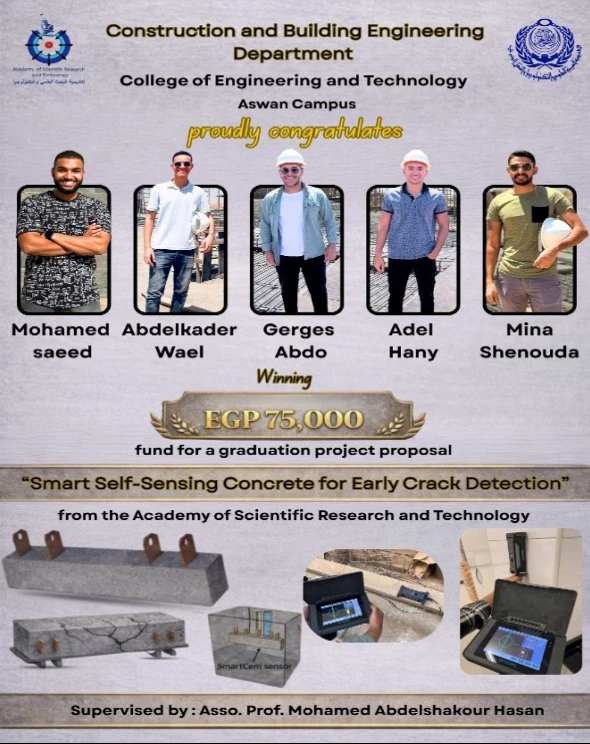
A project titled "Smart Self-sensing Concrete for early Crack Detection" presented by students of Construction and Building Engineering Department, was awarded 75000 EGP fund from the Academy of Scientific Research and Technology under the research competition "My Project, My Beginning Program" 2025/2026. This is the sixth year of participation and award through various disciplines. |
|
|
|
|
|
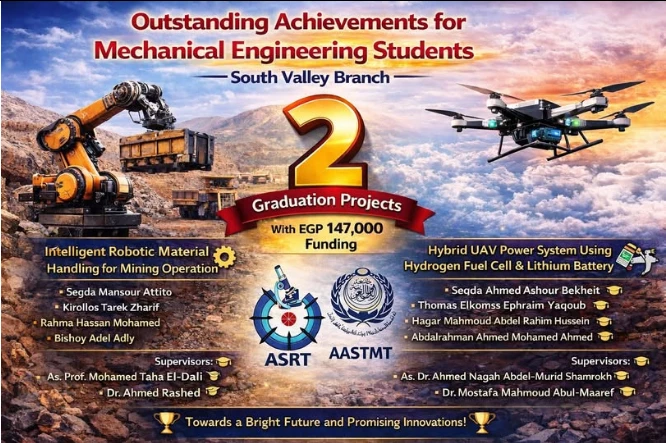
These projects strongly contribute to sustainability by integrating advanced engineering solutions that enhance efficiency while reducing environmental impact. The intelligent robotic material handling system in mining operations minimizes human intervention, improves resource utilization, and reduces energy waste and operational hazards. Meanwhile, the hybrid UAV power system combining hydrogen fuel cells with lithium batteries promotes clean energy usage, significantly lowering carbon emissions and improving energy efficiency. Together, these innovations support the transition toward greener industrial practices and sustainable energy systems, aligning with modern environmental and Industry 4.0 goals. |
|
Advancing Sustainable Development through Fisheries, Aquaculture, and Marine Researc
Description
The Arab Academy (AASTMT), specifically through the College of Fisheries and Aquaculture Technology (CFAT), has developed a robust framework of education and research that directly advances the 2030 Agenda for Sustainable Development. By integrating scientific innovation with maritime expertise, the Academy serves as a regional hub for sustainability.
Key Strategic Impacts:
|
Goal |
Primary Program/Initiative Contribution |
|
SDG 3 |
Marine toxin research and food safety in aquaculture. |
|
SDG 4 |
AMEH curriculum and dual-degree programs with USF/WMU. |
|
SDG 13 |
Climate literacy campaigns and coastal resilience research. |
|
SDG 14 |
Sustainable fisheries management and marine biodiversity protection. |
|
SDG 17 |
TouMaLi Project and Erasmus+ sustainability mobility. |
Political Science Education and Global Engagement for Sustainable Development
|
|
Description:
The Political Science Department has undertaken a wide range of education and research programs that contribute significantly to the achievement of the 17 Sustainable Development Goals (SDGs). These initiatives demonstrate a strong institutional commitment to sustainability integration across teaching, learning, and community engagement. Key programs include:
These efforts directly support SDGs 4, 5, 8, 10, 13, 16, and 17, and contribute indirectly to SDGs 1, 2, 3, 11, and 12.
Advancing Sustainable Healthcare and Pharmaceutical Education for the Sustainable Development Goals
Contribution of the College of Pharmacy – AASTMT (El Alamein Campus) to the UN Sustainable Development Goals (SDGs)
The College of Pharmacy at the Arab Academy for Science, Technology and Maritime Transport (AASTMT) – El Alamein Campus contributes to the achievement of several United Nations Sustainable Development Goals (SDGs) through its academic programs, partnerships, community engagement, infrastructure, and student development initiatives.
SDG 3 – Good Health and Well Being
Key Contributions
The College of Pharmacy actively promotes public health, preventive care, and equitable access to healthcare services through education, training, and community outreach.
SDG 4 – Quality Education
Key Contributions
AASTMT delivers inclusive, high quality pharmacy education aligned with international standards and continuous improvement frameworks.
Activities and Evidence
College of Pharmacy-El Alamein | AASTMT
College of Pharmacy-El Alamein | AASTMT
SDG 8 – Decent Work and Economic Growth
Key Contributions
The College supports employability, professional readiness, and workforce development in the healthcare and pharmaceutical sectors.
Activities and Evidence
SDG 9 – Industry, Innovation, and Infrastructure
Key Contributions
The College fosters innovation and applied research through modern infrastructure and digital technologies.
Activities and Evidence
SDG 10 – Reduced Inequalities
Key Contributions
AASTMT promotes equitable access to education and healthcare services.
Activities and Evidence
SDG 11 – Sustainable Cities and Communities
Key Contributions
The College contributes to community resilience and well being through health services and educational outreach.
Activities and Evidence
SDG 12 – Responsible Consumption and Production
Key Contributions
Through pharmacy education and awareness, the College promotes responsible medication use and waste reduction.
Activities and Evidence
3.3.6 Smoke-free policy - Good Health and Well-being
SDG 17 – Partnerships for the Goals
Key Contributions
The College actively engages in national and international partnerships to advance education, healthcare, and sustainability.
Activities and Evidence
Pharmaceutical Education, Research, and Community Engagement for Sustainable Development
|
|
Description:
College of Pharmacy has established a comprehensive and integrated framework of undergraduate (Pharm D and Pharm D clinical programs) and postgraduate programs that significantly contribute to the achievement of the 17 Sustainable Development Goals (SDGs), reflecting a strong institutional commitment to sustainability in education, research, and community service.
CITL Contributions to Sustainable Development through Logistics, Innovation, and Capacity Building
CITL’s education, research, and applied project activities make a meaningful contribution to the Sustainable Development Goals by linking logistics, transport, trade, sustainability, innovation, and institutional development.
The LEAD-MENA Erasmus+ CBHE Project supports SDG 4 and SDG 17 through higher education capacity building, academic cooperation, and sustainability-oriented institutional development.
The Global Innovative Unit for Economic Growth contributes to SDG 8, SDG 9, SDG 13, and SDG 17 through its focus on sustainable logistics, transport systems, climate resilience, and Africa–Europe cooperation. The SOFT Project supports SDG 4, SDG 9, and SDG 17 through capacity building, lab development, mobility, academic modernization, and professional program development. The SPEEDUP Entrepreneurship Media & Acceleration Hubs initiative contributes to innovation, skills development, entrepreneurship support, and institutional capacity building. CITL also contributed through the Air Transport Policy and Operational Efficiency Study for the Arab Region, which supported evidence-based discussion on improving transport system efficiency, coordination, and competitiveness. The Arab Economic Observatory for Artificial Intelligence Study supports anticipatory economic decision-making, supply chain resilience, and smart monitoring. The Damietta Furniture City Development, Growth and Sustainability Study contributes to sustainable industrial and local development, while the Study on Establishing a Logistics Zone on the Sudanese Border supports regional trade integration, logistics resilience, and food-security-related connectivity.
The Integrated Green Hydrogen Supply Chain Study contributes to SDG 7, SDG 9, SDG 12, SDG 13, and SDG 17 through its focus on clean energy supply chains, infrastructure, and sustainable transition. The Study on Establishing an Arab Mechanism and Database to Support the Shipbuilding and Ship Repair Industry in Arab Countries contributes to sustainable industrial development, maritime sector modernization, and environmentally responsible shipbuilding and repair.
The Saleh Kamel Excellence Scholarship Initiative contributes to SDG 4 and SDG 10 by expanding educational opportunity for academically outstanding and financially needy students. Together, these activities show CITL’s wider contribution to sustainability through applied research, international collaboration, knowledge exchange, capacity building, and sector-focused development.
Language, Media, and Communication Studies for Sustainable Development
College of Language and Communication (CLC) has undertaken a wide range of research initiatives that contribute significantly to the achievement of the 17 Sustainable Development Goals (SDGs). These initiatives demonstrate a strong institutional commitment to sustainability integration across teaching and research:
Intercultural Dialogue and Sustainable Horizons in Media, Language and Literature
Insights into Language, Culture and Communication
align with the 2030 Agenda for Sustainable Development Goals.
These academic initiatives directly support:
Integrating Climate Education, Research, and Innovation for Sustainable Development at AASTMT
Examples of the impact of AASTMT education and research programs in supporting the SDGs:
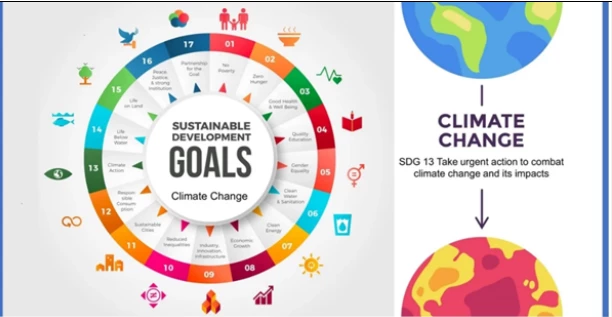
1. Climate literacy, Meteorology courses and SECCM pathways supporting SDG education and early-warning skills.
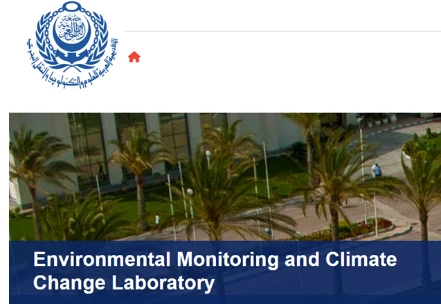
2. Environmental Monitoring and Climate Change Laboratory supporting climate-risk monitoring, air-quality and coastal analytics for evidence-based decisions.
3. Education and community engagement programs supporting youth climate action, renewable energy, waste solutions and national energy-transition dialogue.
4. Applied research projects supporting green ports, renewable energy integration and nearly zero-energy buildings.
5. AASTMT Climate Action Plan 2024 linking emissions reduction, renewable energy, education, research, community engagement and reporting.
|
Climate literacy, Meteorology courses and SECCM pathways supporting SDG education and early-warning skills.
Environmental Monitoring and Climate Change Laboratory supporting climate-risk monitoring, air-quality and coastal analytics for evidence-based decisions. |
Description:
AASTMT’s education and research programs have a direct and measurable impact on the Sustainable Development Goals by integrating sustainability into academic programs, strengthening climate and environmental research, supporting applied innovation, engaging students and communities, and building international partnerships for sustainable development.
Education and research programs at AASTMT support SDGs through six main pathways:
1. Sustainability integration in education
AASTMT integrates climate and sustainability learning into academic programs and student learning pathways. The Climate Action Plan 2024 sets an academic goal to reach at least 90% integration of climate and sustainability learning outcomes across undergraduate and postgraduate programs. The 2024 Carbon Emissions Reduction and Sustainability Progress Report confirms that AASTMT maintained climate and sustainability content across approximately 90% of undergraduate programs in 2024.
This integration supports students across disciplines in understanding climate mitigation, climate adaptation, renewable energy, environmental management, circular economy, sustainable transport, sustainable resource use, and responsible consumption.
Key education examples include:
SDG impact:
This pathway directly supports SDG 4 by strengthening quality education for sustainable development. It also supports SDG 6, SDG 7, SDG 11, SDG 12 and SDG 13 by equipping students with practical skills in water management, clean energy, sustainable cities, responsible consumption and climate action.
2. Climate action, emissions reduction and net-zero education
AASTMT’s education and research programs are connected to the university’s Climate Action Plan 2024 and emissions-reduction pathway. The 2024 verified greenhouse gas inventory recorded total emissions of 103,862,750 kg CO2e, representing a 3.0% reduction from 2023 and a 32.8% reduction below the 2019 baseline. The inventory recorded Scope 1 emissions of 1,092,500 kg CO2e, Scope 2 emissions of 897,250 kg CO2e and selected Scope 3 emissions of 101,873,000 kg CO2e.
AASTMT’s Climate Action Plan 2024 sets an interim target to maintain at least a 30% reduction in total carbon emissions relative to 2019 by 2025 and a long-term target of 50% reduction by 2040. Education and research activities support these targets by promoting climate literacy, energy-efficiency awareness, responsible consumption, waste minimization, renewable-energy understanding and evidence-based decision-making.
AASTMT also operated approximately 215 kW of on-site solar PV capacity in 2024, maintained approximately 24–25% contribution to campus electricity needs and sustained approximately 95% LED lighting coverage. These operational achievements are used as learning and research opportunities through renewable-energy walk-throughs, HVAC/BMS awareness sessions, energy monitoring, student projects and climate-action education.
SDG impact:
This pathway directly supports SDG 7, SDG 12 and SDG 13 by linking education and research with renewable energy, energy efficiency, greenhouse gas reduction and responsible resource management.
3. Research output and applied sustainability innovation
AASTMT’s 2024 Carbon Emissions Reduction and Sustainability Progress Report confirms that the 2022–2024 climate research portfolio included 15 new research projects and 10 peer-reviewed papers addressing renewable-energy technologies, sustainable transportation and climate resilience across the MENA region.
Research themes include maritime emissions, bio-remediation using macroalgae, crop heat-stress resilience, climate justice, coastal groundwater monitoring, plastics biodegradation, renewable energy, green ports, nearly zero-energy buildings, sustainable transport and environmental resilience.
Examples of applied research and innovation include:
SDG impact:
This pathway supports SDG 9 by advancing innovation and applied research, SDG 11 by supporting resilient cities and infrastructure, SDG 13 by advancing climate action, SDG 14 through maritime and coastal sustainability, and SDG 15 through ecosystem-based research such as mangrove carbon stock assessment.
4. Student engagement and community-based learning
AASTMT education and research programs are connected to community engagement and student-led sustainability activities. The 2024 Carbon Emissions Reduction and Sustainability Progress Report confirms that AASTMT sustained strong student engagement through recycling drives, energy-awareness activities, tree planting, hands-on audits, responsible consumption campaigns, waste sorting, renewable-energy walk-throughs and HVAC/BMS awareness sessions.
The report also confirms that AASTMT built on 25+ climate and sustainability workshops and seminars hosted in 2022–2023 with 7,000+ student participants. Community workshops on waste reduction, energy conservation and sustainable mobility had previously drawn 1,500+ participants and were held again during 2024.
Examples of student and community-based learning include:
SDG impact:
This pathway supports SDG 4, SDG 11, SDG 12, SDG 13 and SDG 17 by connecting education with practical community action, climate literacy, responsible consumption, sustainable urban resilience and partnerships.
5. International sustainability research and collaboration
AASTMT maintains an international project portfolio that supports education and research for sustainability. Verified AASTMT projects include international cooperation through Erasmus Plus, Horizon Europe, PRIMA, ENI CBC MED, EMFAF, Interreg NEXT, Newton Institutional Links and other funding frameworks.
Examples of sustainability-related international programs include:
These projects strengthen research capacity, student skills, international mobility, professional training, technology transfer and applied sustainability innovation.
SDG impact:
This pathway supports SDG 7, SDG 8, SDG 9, SDG 11, SDG 12, SDG 13, SDG 14, SDG 15 and SDG 17 through clean energy, green jobs, innovation, sustainable cities, responsible production, climate action, marine sustainability, ecosystem protection and international partnerships.
6. Institutional governance and sustainability reporting as educational tools
AASTMT’s Climate Action Plan 2024 links education, research, carbon-emissions reduction, renewable energy, energy efficiency, sustainable resource management, community engagement and reporting. The plan includes an action table assigning responsibilities for carbon emissions reduction, renewable energy adoption, energy efficiency, sustainable resource management, education and research, community engagement and reporting accountability.
The plan also establishes monitoring and reporting practices such as annual GHG inventory, monthly data checks, quarterly internal reviews, semester dashboards, annual sustainability reporting and biennial third-party assurance. These governance mechanisms create a living-learning environment where students and researchers can connect sustainability theory to real institutional performance.
SDG impact:
This pathway supports SDG 4, SDG 9, SDG 12, SDG 13 and SDG 17 by integrating sustainability governance, transparent reporting, applied learning and stakeholder partnerships.
Overall SDG impact:
AASTMT’s education and research programs directly support the following SDGs:
- SDG 2 – Zero Hunger:
Supported through sustainable fisheries, aquaculture, agro-food value-chain innovation, smallholder resilience, smart farming and food-system research projects such as FishAqu, InovFarmer.MED and RESILINK.
- SDG 3 – Good Health and Well-being:
Supported through public-health climate seminars, environmental monitoring, climate resilience education, air-quality and coastal analytics, and community awareness activities.
- SDG 4 – Quality Education:
Supported through sustainability integration across approximately 90% of undergraduate programs, SECCM, Meteorology courses, climate and water-management education, workshops, student projects and sustainability learning outcomes.
- SDG 5 – Gender Equality:
Supported through inclusive education and programs such as EmpowerHER and gender-inclusive energy transition activities, as well as youth and women green-skills initiatives.
- SDG 6 – Clean Water and Sanitation:
Supported through Climate Change & Water Management education, water-efficiency practices, SMARTWATIR, solar-powered water desalination, water monitoring, coastal groundwater research and community water-resource adaptation.
- SDG 7 – Affordable and Clean Energy:
Supported through renewable-energy education, on-site solar PV, energy-efficiency learning, smart grids, solar-energy projects, Green MED, MEDSOL, SEM-SEM, SGT-MAP, and renewable-energy training.
- SDG 8 – Decent Work and Economic Growth:
Supported through green-skills training, youth employment in port sectors, sustainable entrepreneurship, green and circular economy programs and industry-linked sustainability projects.
- SDG 9 – Industry, Innovation and Infrastructure:
Supported through applied research, technology transfer, smart energy systems, green ports, TECHLOG, environmental laboratories, digital platforms, and innovation-driven sustainability projects.
- SDG 10 – Reduced Inequalities:
Supported through inclusive education, refugee-support education initiatives, accessibility and inclusion projects, and youth/women-oriented green-skills programs.
- SDG 11 – Sustainable Cities and Communities:
Supported through sustainable urban development, climate-smart urbanism, coastal cities workshops, PRO Green, urban transportation regeneration, climate-risk monitoring and community resilience projects.
- SDG 12 – Responsible Consumption and Production:
Supported through waste sorting, recycling, sustainable procurement, paper-use reduction, plastic-reduction campaigns, circular economy education, sustainable agriculture and responsible consumption campaigns.
- SDG 13 – Climate Action:
Supported through the Climate Action Plan 2024, emissions reduction, climate education, early-warning skills, disaster-risk planning, climate-risk monitoring, climate research and carbon-footprint reduction.
- SDG 14 – Life Below Water:
Supported through maritime sustainability, green shipping, blue economy education, marine environmental protection, port decarbonization, fisheries and aquaculture research, and coastal resilience.
- SDG 15 – Life on Land:
Supported through mangrove carbon-stock assessment, biodiversity education, ecosystem-based adaptation, rural resilience, sustainable agriculture and land/resource education.
- SDG 17 – Partnerships for the Goals:
Supported through international collaborations with EU, Mediterranean, Horizon Europe, PRIMA, EMFAF, Erasmus Plus, NGOs, government bodies, universities, research centers and industry partners.
Conclusion:
AASTMT’s education and research programs create a measurable institutional impact by combining curriculum integration, applied research, international collaboration, community engagement, student participation and transparent climate governance. These programs support multiple SDGs through practical education, research outputs, climate action, emissions reduction, sustainability innovation, public engagement and partnerships. AASTMT’s 2024 emissions performance, research portfolio, Climate Action Plan, sustainability education integration, international projects and community engagement activities demonstrate that education and research are central tools for advancing sustainable development across the university and its wider regional context.
- AASTMT main website: Arab Academy for Science, Technology & Maritime Transport - AASTMT
- AASTMT Carbon Emissions Reduction and Sustainability Progress Report 2023–2024: Microsoft Word - AASTMT Carbon Emissions 2024.docx
- AASTMT Climate Action Plan / 2024 Plan toward Clean Sustainable Energy: pdf_retreivefileNew_open.php
- Energy Consumption, Low-Carbon Share and CO2/GHG Trends Insights: pdf_retreivefileNew_open.php
- Green Energy and Energy Management Policy: pdf_retreivefileNew_open.php
- AASTMT Energy Research Unit: Energy Research Unit
- UniGreen Workshop: Arab institute for leadership development-Alexandria | AASTMT
- Go Green Workshop: Arab Academy for Science, Technology and Maritime Transport- | AASTMT
- International Workshop on Green Environment and Green Tourism: Arab Academy for Science, Technology and Maritime Transport- | AASTMT
- Alexandria Workshop on Weather Routing and Carbon Emissions Reduction: Institute of Maritime Upgrading Studies-Alexandria | AASTMT
- Mediterranean Ports and Shipping Summit: Climate Action-Alexandria | AASTMT
- TuoMali International Conference: Climate Action-Alexandria | AASTMT
- Strategic Ocean Alliance Forum at COP28: Climate Action-Alexandria | AASTMT