|
|
|
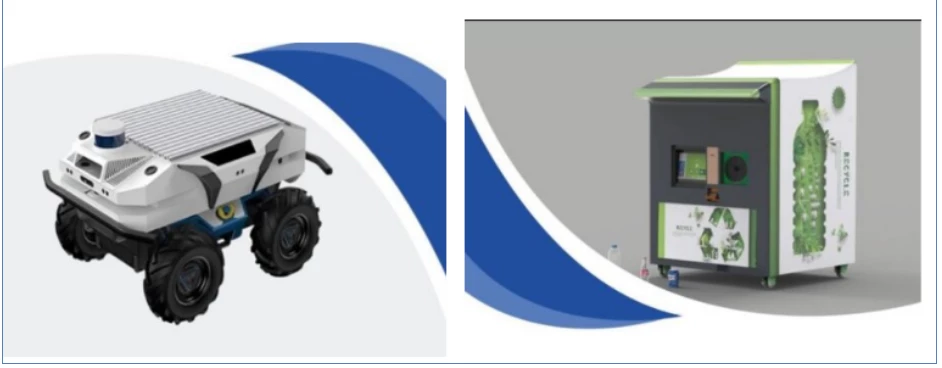
“LiDAR Navigation IoT Solar Agribot’’/ Smart Solar Waste Compactor |
|
|
|
Example of Inorganic Waste Treatment (AASTMT) |
|
|
|
|
|
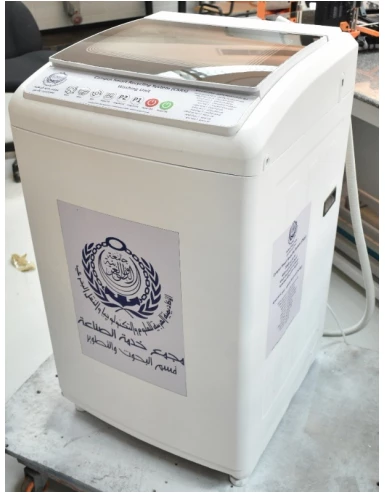
AASTMT Washing Unit for plastic recycling |
|
|
|
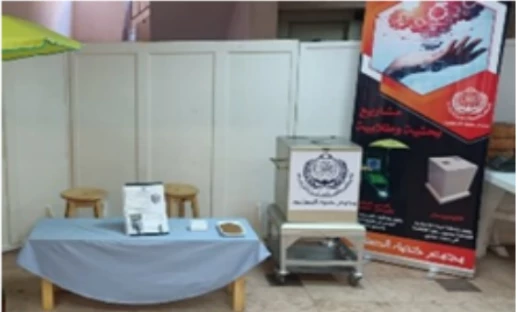
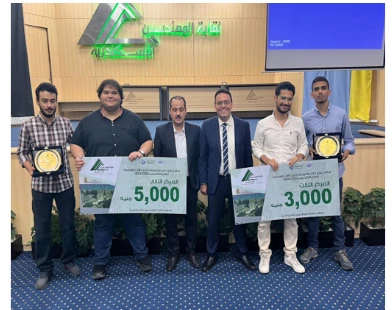
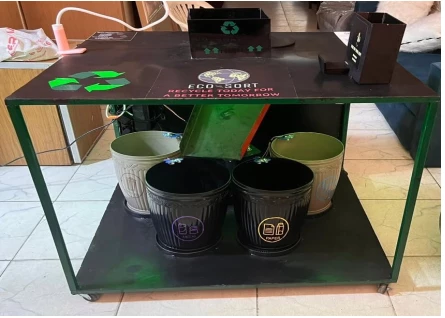
AASTMT Students win the second place for participation with ECO-Sort BIN [A smart Waste Sorting Ststem] at the level of the Alexandria Governorate |
Description:
At Arab Academy for Science, Technology and Maritime Transport (AASTMT), inorganic waste generated across all campuses is managed through an integrated waste management and recycling program that supports environmental sustainability, pollution reduction, and circular economy practices. The program encompasses the collection, segregation, recycling, and safe disposal of diverse categories of inorganic waste, including plastics, paper, aluminum cans, electronic waste (e waste), batteries, glass, and other recyclable materials.
This comprehensive framework is underpinned by a robust policy structure, including the Consumption and Recycling Policy, Sustainable Procurement Policy, Policy on Plastic Waste Reduction, Policy for Minimization of Plastic Use, and the Policy for Minimization of Disposable Items. These policies collectively establish clear guidelines for waste prevention, reuse, recycling, recovery, and responsible disposal, ensuring that recycling is integrated at every stage of the waste management process.
1. Smart Recycling System for Inorganic Waste
AASTMT has implemented a Smart Recycling System across its campuses and facilities to enhance waste segregation and recycling efficiency. The system systematically targets key inorganic waste streams, including:
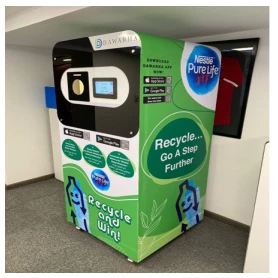
Campus Smart Recycling System (CSRS) – Project 2068
A cornerstone of the Academy's inorganic waste treatment strategy is the Campus Smart Recycling System (CSRS) . This project involves building and implementing a sustainable, self sufficient recycling system to transform AASTMT campus recyclables into valuable products with economic value, thereby reducing campus running expenses. The system specifically targets plastic tableware and aluminum cans, and includes:
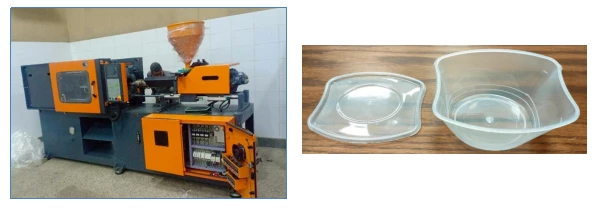
Plastic Recyling Unit (Plastic Injection Machine)
The initiative aims to reduce landfill waste, conserve natural resources, lower environmental pollution, and support sustainable campus operations. Collected recyclable materials are sorted and transferred to authorized recycling companies and specialized waste management contractors for safe processing and material recovery.
2. Plastic Washing Unit
The washing unit—also known as a plastic washing line—is an essential component in the recycling process of plastic materials. This unit is specifically designed to clean and prepare plastic waste for further processing and recycling.
The washing unit consists of several key components that operate in a coordinated manner:
This cleaning process is critical for producing high quality recycled plastic materials suitable for further processing and reuse in campus applications.
3. Electronic Waste (E Waste) and Hazardous Waste Management
AASTMT applies environmentally responsible procedures for handling electrical and electronic waste (WEEE) generated from computers, laboratory equipment, printers, electronic devices, and maintenance activities. The university cooperates with specialized companies to ensure the safe collection, transportation, recycling, and disposal of e waste and hazardous materials according to environmental regulations and sustainability standards.
The e waste management program contributes to:
The Academy's Policy Waste Disposal – Hazardous Materials and the Electronic Waste Recycling Program provide the regulatory framework for safe handling and disposal of hazardous waste materials.
4. Recycling Awareness and Waste Segregation
AASTMT continuously promotes environmental awareness through sustainability campaigns, workshops, student activities, and green campus initiatives that encourage:
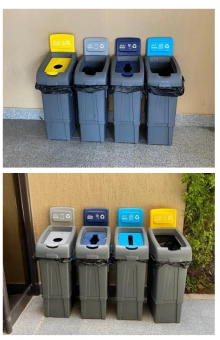
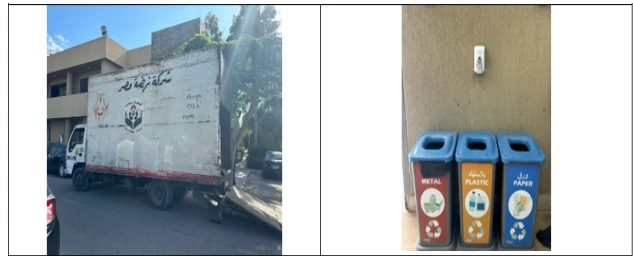
Recycling bins and waste collection points are strategically distributed across campus buildings, cafeterias, offices, and public areas to facilitate the separation of recyclable inorganic waste materials. The waste segregation system, as demonstrated at the Abu Qir Campus, ensures that waste is properly sorted at source, facilitating efficient recycling and reducing contamination.
Student Engagement and Innovation:
5. Sustainable Waste Management Strategy
The university's waste management strategy is guided by the following principles:
Progress and Achievements:
| Metric | Value |
| Inorganic Waste Generated (This Year) |
282 tons |
| Inorganic Waste Treated |
198 tons (70.2% treatment rate) |
| Paper & Cardboard Treated |
96 tons (77.4%) |
| Plastic Treated |
89 tons (70.6%) |
| Miscellaneous Waste Treated |
13 tons (40.6%) |
| Waste Diversion Rate |
50% achieved by 2023 |
Policy Framework Supporting Inorganic Waste Treatment
| Policy | Relevance to Inorganic Waste Treatment |
| Consumption and Recycling Polic |
Places strong emphasis on recycling; establishes waste hierarchy of prevention, reuse, recycling, recovery, and disposal |
| Policy for Minimisation of Plastic Use |
Establishes guidelines to reduce non biodegradable plastic products; requires halting single use plastics |
| Policy on Plastic Waste Reduction |
Focuses on reducing plastic waste, environmental impact, and sustainable consumption practices |
| Policy for Minimization of Disposable Items |
Promotes reusable, biodegradable, and recyclable alternatives; applies to students, staff, contractors, and suppliers |
| Sustainable Procurement Policy |
Aims at waste reduction with hierarchical approach emphasising reduction, reuse, and recycling |
| Policy Waste Disposal – Hazardous Materials |
Ensures safe handling and disposal of hazardous waste in compliance with environmental regulations |
| Electronic Waste Recycling Program |
Ensures sustainable disposal of obsolete electronic equipment |
Institutional Commitment and Recognition
AASTMT has demonstrated its commitment to inorganic waste treatment through:
Additional Evidence Links
https://aast.edu/en/sdg/contenttemp.php?page_id=121200012
https://www.aast.edu/en/sdg/goals.php?unit_item=1212&unit_item=1212&unit_item=1212&page_id=121200028
https://aast.edu/en/sdg/contenttemp.php?page_id=121500034
https://aast.edu/en/sdg/contenttemp.php?page_id=121200019
https://aast.edu/en/sdg/goals.php?unit_item=1212&unit_item=1212&page_id=121200032
https://aast.edu/en/complexes/is-complex/contenttemp.php?page_id=40700107
https://aast.edu/en/gallery/album.php?unit_id=1&gallery_id=1314
This comprehensive inorganic waste treatment framework demonstrates AASTMT's leadership in sustainable resource management within the higher education sector in Egypt, contributing to climate action, circular economy, and the United Nations Sustainable Development Goals.