|
|
|
|
|
|
|
|
|
|
|
|
|
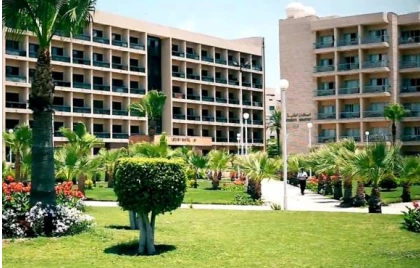
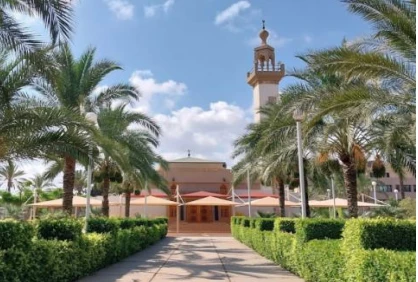
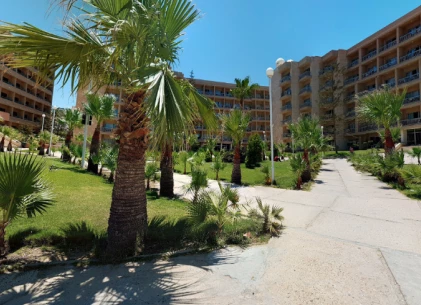
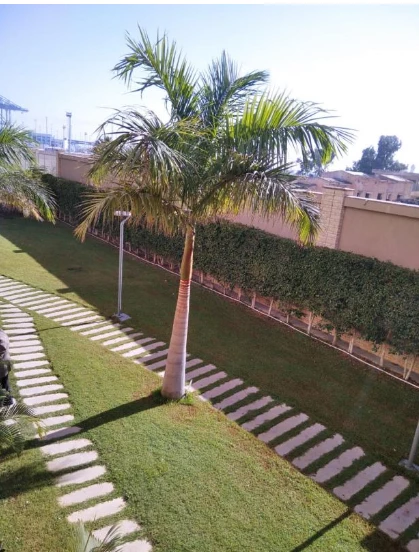
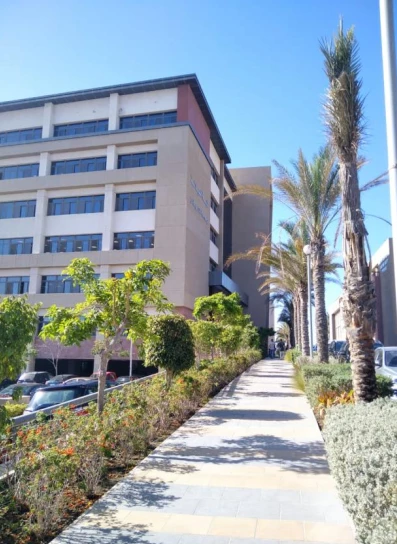
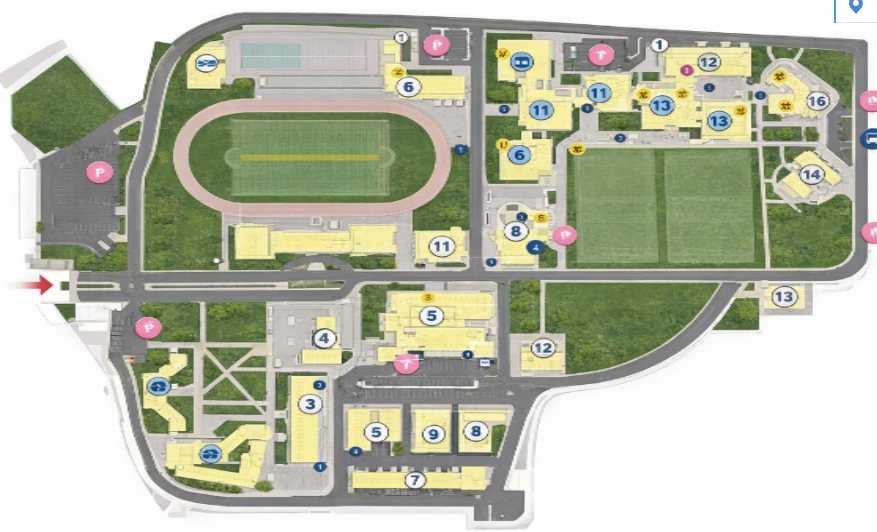
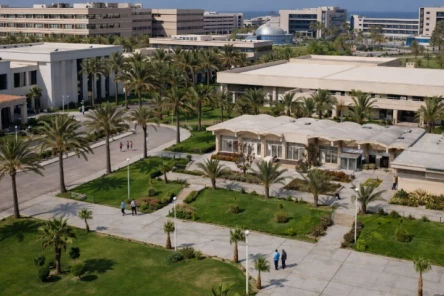
Smart separation between pedestrian paths and vehicle roads is achieved through landscaping and greenery, enhancing safety and organization into campus. |
|
|
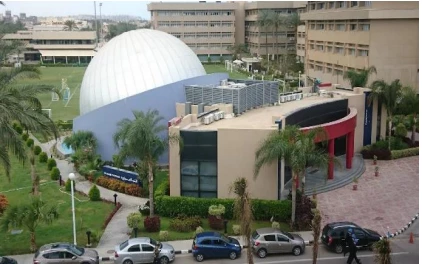
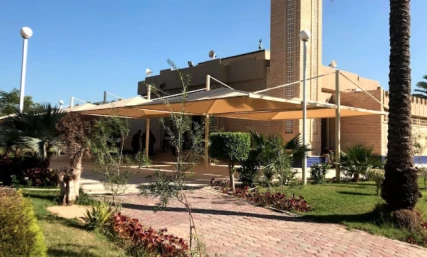
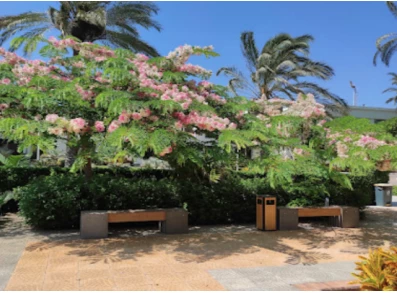
Smart planning is applied to determine the locations of student pathways and waiting areas around campus facilities, ensuring organized and safe circulation. |
|
|
|
|
|
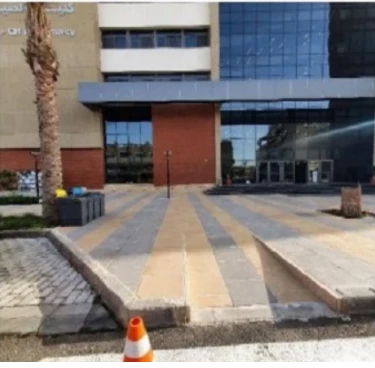
Pedestrian in some parts provided with disabled-friendly features |
|
Description:
The Arab Academy for Science, Technology and Maritime Transport (AASTMT) has established a comprehensive Pedestrian Path Policy designed to create a safe, accessible, and sustainable walking environment across its Abu Qir Campus.
Recognizing that walking is the most fundamental and environmentally friendly mode of transportation, the university has prioritized the development of well-planned pedestrian infrastructure that encourages students, faculty, and staff to choose walking as their primary means of campus navigation.
The policy is built upon several key principles: safety through clear separation of pedestrians and vehicles, inclusivity through accessible design for all users, sustainability through promotion of active transportation, and aesthetic quality through integration with campus landscaping and greenery.
Pedestrian Pathway Design and Infrastructure
AASTMT provides a comprehensive network of well-planned pedestrian pathways across the campus, ensuring safe and comfortable movement for all members of the university community.
Separation from Vehicle Traffic
A defining feature of the policy is the smart separation between pedestrian paths and vehicle roads, achieved through strategic use of landscaping, greenery, and physical barriers. This design approach creates a clear visual and physical distinction between walking zones and driving areas, enhancing both safety and organization across the campus. Key features include:
Pathway Specifications
The pedestrian pathways are wide and thoughtfully designed to facilitate easy movement between academic buildings, administrative offices, dormitories, dining facilities, and recreational areas. The pathway network features:
Accessibility and Inclusivity
In alignment with the university's commitment to equal access, the pedestrian infrastructure includes comprehensive accommodations for people with disabilities and individuals with limited mobility:
These inclusive design elements ensure that all members of the campus community—regardless of physical ability—can navigate the campus safely, independently, and with dignity.
Lighting and Night Safety
To ensure round-the-clock safety, all pedestrian areas are equipped with proper lighting systems that provide adequate illumination during evening and early morning hours. The lighting infrastructure includes:
This attention to lighting significantly enhances security and encourages walking as a viable transportation option regardless of the time of day.
Smart Pathway Planning and Circulation Management
AASTMT applies smart planning principles to determine the optimal locations for student pathways and waiting areas around campus facilities. This strategic approach ensures organized and safe circulation throughout the campus environment. Key planning considerations include:
The resulting pathway network facilitates logical, efficient, and intuitive movement across the campus, reducing the likelihood of crowding, confusion, or conflicts between pedestrians and vehicles.
Policy Objectives
The Pedestrian Path Policy serves multiple interconnected objectives:
1.Promoting Sustainable Mobility
By making walking a safe, comfortable, and attractive option, the policy actively encourages students and staff to choose walking as their primary mode of campus transportation. This reduces reliance on private vehicles, lowers campus emissions, and supports AASTMT's broader Zero Emission Vehicles (ZEV) policy and sustainability commitments.
2.Enhancing Safety
Through clear separation of pedestrians and vehicles, speed reduction measures, and proper lighting, the policy significantly reduces the risk of accidents and injuries, creating a safer environment for all campus users.
3.Supporting Health and Well-being
Walking is a form of physical activity with proven health benefits. By making walking the natural and preferred choice for campus navigation, the policy promotes a healthier lifestyle among students and staff, contributing to improved physical and mental well-being.
4.Fostering Inclusivity
The inclusion of accessible design features ensures that the campus is welcoming and navigable for all individuals, regardless of physical ability, reflecting AASTMT's commitment to diversity, equity, and inclusion.
5.Enhancing Campus Aesthetics
The integration of pathways with landscaping, greenery, and thoughtful design creates an attractive, inviting campus environment that enhances the overall quality of campus life and reflects positively on the institution.
Alignment with Sustainability Goals
The Pedestrian Path Policy directly supports multiple United Nations Sustainable Development Goals (SDGs):
Additionally, the policy reinforces AASTMT's commitment to the Zero Emission Vehicles (ZEV) framework by reducing the demand for private vehicle trips and creating a campus environment where walking is the most convenient and attractive option.
AASTMT's Pedestrian Path Policy represents a comprehensive, forward-thinking approach to campus mobility that prioritizes safety, accessibility, sustainability, and quality of life. Through careful planning, inclusive design, and integration with the broader transportation and sustainability framework, the policy creates a campus environment where walking is not only encouraged but is the natural, preferred choice for daily movement. This commitment to pedestrian-friendly design underscores AASTMT's dedication to environmental stewardship, community well-being, and the creation of a model sustainable campus in Egypt and the broader region.
https://aast.edu/en/sdg/goals.php?unit_item=1211&unit_item=1211&unit_item=1211&page_id=121100039