UI GreenMetric

[5.14] Program to limit or decrease the parking area on campus for the last 3 years

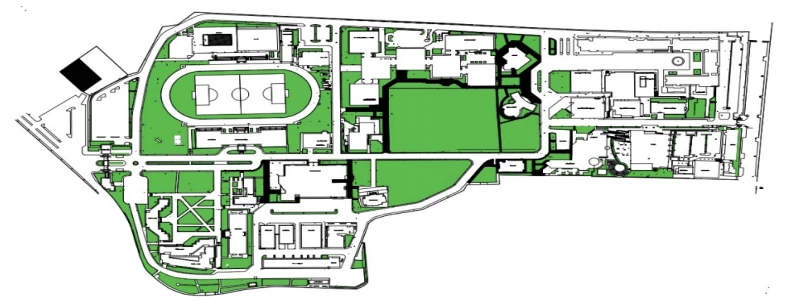
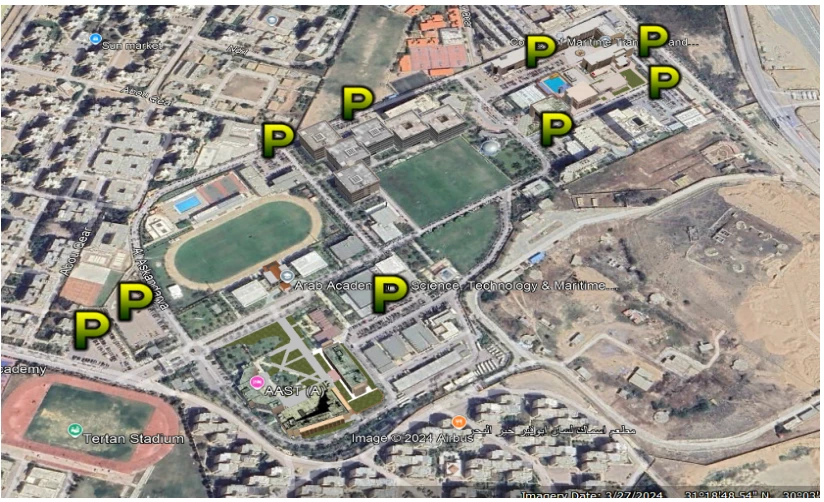
Ratio of Parking Areas to Total Campus Area (Abu Qir Campus, Alexandria, Egypt)

Parking Areas at Abu Qir Campus, Alexandria, Egypt

Description:

The Arab Academy for Science, Technology and Maritime Transport (AASTMT) Abu Qir Campus in Alexandria has implemented a comprehensive program over the past three years aimed at limiting and gradually decreasing the parking area on campus. This initiative is designed to discourage excessive reliance on private vehicles, promote sustainable transportation alternatives, and optimize land use for academic and recreational purposes.

The program introduces a structured approach to parking management through two primary strategies:

1. Limiting Parking Zones for Students

To reduce the overall parking footprint and encourage alternative transportation methods, AASTMT has implemented restrictions on student parking access across campus. Specific measures include:

  • Designated Student Parking Zones: Student parking is now confined to clearly defined peripheral zones located at the edges of the campus, reducing the spread of parking infrastructure throughout the core academic areas.
  • Reduction in Student Parking Capacity: A gradual reduction in the number of parking spaces allocated exclusively for students has been implemented, with some former student parking areas being repurposed for green spaces, pedestrian walkways, or new academic facilities.
  • Permit-Based Access: Student parking permits are now issued on a limited basis, prioritizing those with genuine mobility needs or those commuting from significant distances, thereby reducing the total number of vehicles entering campus daily.
  • Time-Restricted Parking: Short-term parking limits have been introduced in select student zones to increase space turnover and discourage all-day vehicle storage on campus.

2. Ride-Share and Sustainable Transportation Promotion

To complement the reduction in parking availability, AASTMT has actively promoted ride-sharing and other sustainable transportation options designed to encourage commuters to adopt healthy and environmentally responsible travel behaviors. Key initiatives include:

  • Carpool Matching Programs: The university facilitates carpool connections among students, faculty, and staff through an online platform, enabling shared commutes that reduce the number of vehicles traveling to campus.
  • Preferred Parking for Carpools: Carpools and shared vehicles are offered priority access to limited parking spaces, incentivizing group travel.
  • Shuttle Service Expansion: Free or subsidized shuttle services have been expanded, connecting the Abu Qir campus with surrounding residential areas, public transit hubs, and the Miami campus to reduce private vehicle dependence.
  • Cycling and Walking Incentives: Secure bicycle storage facilities, shower amenities, and pedestrian-friendly infrastructure are provided to encourage active transportation.
  • Awareness Campaigns: Regular campaigns highlight the environmental, health, and financial benefits of reducing private vehicle use, fostering a campus culture that values sustainable mobility.
  • Digital Mobility Platforms: Mobile applications provide real-time information on shuttle schedules, carpool availability, and bicycle routes, making sustainable travel choices more convenient and accessible.

Impact and Outcomes (Last 3 Years)

No.

Vehicle

Total Number

2026

Total Number

2025

Total Number

2024

1

Car managed by the university

131

149

159

2

Cars entering the university

400

456

511

3

Motorcycles entering the university

non

144

174


Total

531

749

844


Year Measure Description
2023
  • Student Parking Zone Limitations

Restricted student parking to peripheral zones

  • Carpool Matching Program

Digital platform connecting commuters for shared travel

2023–2024
  • Shuttle Service Expansion

Increased frequency and coverage of campus shuttle routes

2023–2025
  • Active Transport Incentives

Enhanced cycling facilities and pedestrian infrastructure

2024
  • Permit-Based Access

Limited permit issuance for students


  • Time-Restricted Parking

Short-term limits in select student zones

2023–2026
  • Gradual Capacity Reduction

Decreased number of student parking spaces annually

Ongoing
  • Awareness Campaigns

Regular educational initiatives promoting sustainable mobility

Over the past three years, these measures have resulted in:

  • A measurable reduction in the number of private vehicles entering the campus daily
  • Repurposing of former parking areas into green spaces, seating areas, and pedestrian zones
  • Increased utilization of campus shuttle and carpool services
  • Enhanced pedestrian safety and improved campus aesthetics
  • Greater awareness and adoption of sustainable transportation behaviors among students and staff

Through this program, AASTMT is actively shaping a more sustainable, accessible, and people-centered campus that prioritizes community well-being and environmental responsibility over vehicular convenience.

Integration with Broader Sustainability Goals

This parking reduction program aligns seamlessly with AASTMT's broader sustainability objectives, including its Zero Emission Vehicles (ZEV) policy, emissions reduction targets, and commitment to the United Nations Sustainable Development Goals (SDGs), particularly:

  • SDG 11 – Sustainable Cities and Communities
  • SDG 13 – Climate Action
  • SDG 3 – Good Health and Well-being (through improved air quality and promotion of active transport)

By strategically limiting parking capacity and promoting sustainable alternatives, AASTMT demonstrates its dedication to responsible campus planning, environmental stewardship, and the well-being of its community.