



 UI-Green Metric
[3.12]Inorganic waste treatment
|
|
|
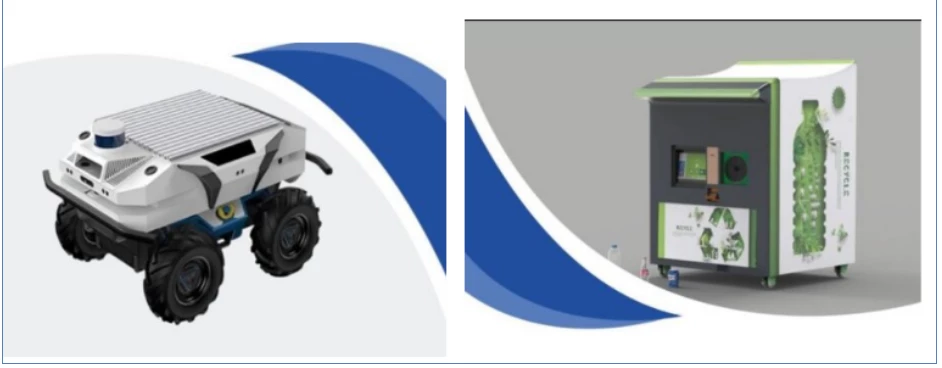
“LiDAR Navigation IoT Solar Agribot’’/ Smart Solar Waste Compactor |
|
|
|
Example of Inorganic Waste Treatment (AASTMT) |
|
|
|
|
|
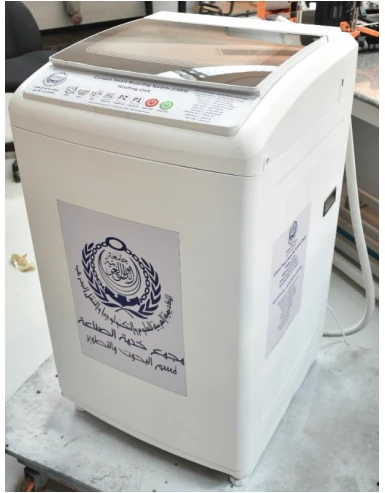
AASTMT Washing Unit for plastic recycling |
|
|
|
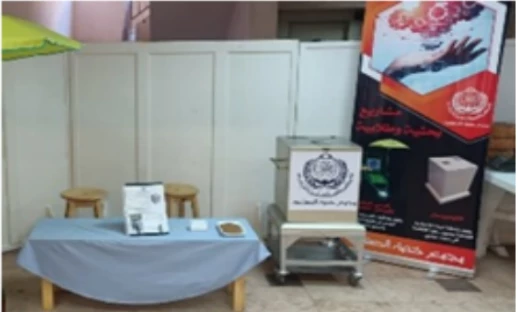
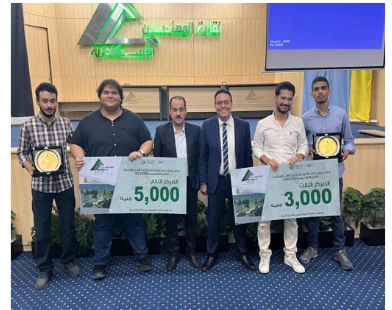
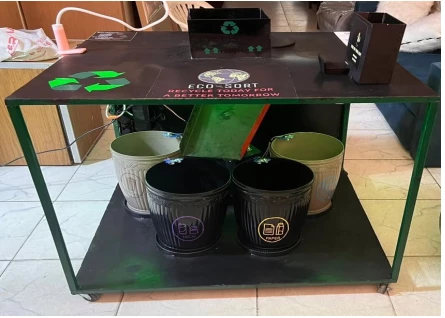
AASTMT Students win the second place for participation with ECO-Sort BIN [A smart Waste Sorting Ststem] at the level of the Alexandria Governorate |
Description:
At Arab Academy for Science, Technology and Maritime Transport (AASTMT), inorganic waste generated across all campuses is managed through an integrated waste management and recycling program that supports environmental sustainability, pollution reduction, and circular economy practices. The program encompasses the collection, segregation, recycling, and safe disposal of diverse categories of inorganic waste, including plastics, paper, aluminum cans, electronic waste (e waste), batteries, glass, and other recyclable materials.
This comprehensive framework is underpinned by a robust policy structure, including the Consumption and Recycling Policy, Sustainable Procurement Policy, Policy on Plastic Waste Reduction, Policy for Minimization of Plastic Use, and the Policy for Minimization of Disposable Items. These policies collectively establish clear guidelines for waste prevention, reuse, recycling, recovery, and responsible disposal, ensuring that recycling is integrated at every stage of the waste management process.
1. Smart Recycling System for Inorganic Waste
AASTMT has implemented a Smart Recycling System across its campuses and facilities to enhance waste segregation and recycling efficiency. The system systematically targets key inorganic waste streams, including:
- Plastic bottles and plastic tableware
- Aluminum cans
- Paper and cardboard materials
- Electronic and electrical waste generated from laboratories, offices, and educational facilities
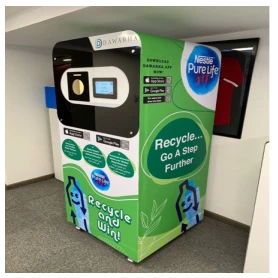
Campus Smart Recycling System (CSRS) – Project 2068
A cornerstone of the Academy's inorganic waste treatment strategy is the Campus Smart Recycling System (CSRS) . This project involves building and implementing a sustainable, self sufficient recycling system to transform AASTMT campus recyclables into valuable products with economic value, thereby reducing campus running expenses. The system specifically targets plastic tableware and aluminum cans, and includes:
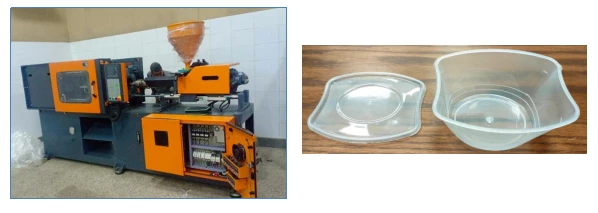
Plastic Recyling Unit (Plastic Injection Machine)
- Plastic washing and disinfection units to recycle plastic tableware, ensuring materials are properly cleaned and prepared for reprocessing
- An electrical furnace to melt aluminum cans into raw bars, transforming waste into usable raw materials
- Two moulds for the AASTMT plastic injection machine, enabling efficient production of campus plastic items from recycled materials
- AASTMT owned plastic injection machine located at ISC, used to produce a percentage of campus disposable plastic tableware/products
The initiative aims to reduce landfill waste, conserve natural resources, lower environmental pollution, and support sustainable campus operations. Collected recyclable materials are sorted and transferred to authorized recycling companies and specialized waste management contractors for safe processing and material recovery.
2. Plastic Washing Unit
The washing unit—also known as a plastic washing line—is an essential component in the recycling process of plastic materials. This unit is specifically designed to clean and prepare plastic waste for further processing and recycling.
The washing unit consists of several key components that operate in a coordinated manner:
- Conveyor belt or mechanical feeder: Transports plastic waste into the washing unit, ensuring a continuous flow of materials for efficient cleaning.
- Mechanical friction and water agitation: Inside the unit, plastic waste is subjected to a combination of mechanical friction and water agitation to remove contaminants.
- Chemical treatments: Where necessary, chemical treatments are applied to break down and dislodge unwanted substances such as labels, adhesives, oils, and dirt present on the plastic surface.
This cleaning process is critical for producing high quality recycled plastic materials suitable for further processing and reuse in campus applications.
3. Electronic Waste (E Waste) and Hazardous Waste Management
AASTMT applies environmentally responsible procedures for handling electrical and electronic waste (WEEE) generated from computers, laboratory equipment, printers, electronic devices, and maintenance activities. The university cooperates with specialized companies to ensure the safe collection, transportation, recycling, and disposal of e waste and hazardous materials according to environmental regulations and sustainability standards.
The e waste management program contributes to:
- Recovering reusable materials and valuable components from obsolete electronic equipment
- Reducing hazardous environmental impacts associated with improper disposal of electronic waste
- Preventing unsafe disposal of electronic equipment that may contain toxic substances
- Supporting responsible resource management and recycling practices in compliance with environmental regulations
The Academy's Policy Waste Disposal – Hazardous Materials and the Electronic Waste Recycling Program provide the regulatory framework for safe handling and disposal of hazardous waste materials.
4. Recycling Awareness and Waste Segregation
AASTMT continuously promotes environmental awareness through sustainability campaigns, workshops, student activities, and green campus initiatives that encourage:
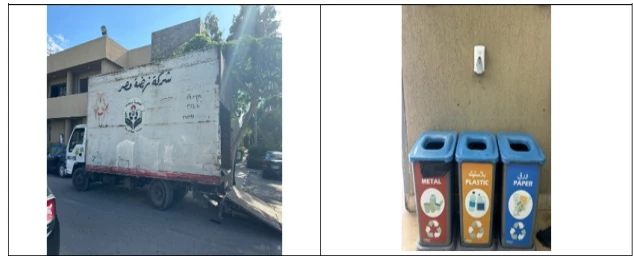
- Proper waste segregation at source using clearly labelled bins across campuses
- Recycling participation among students and staff through awareness campaigns and incentives
- Reduction of single use plastic materials through the "Academy Free of Plastic Bags" initiative and reusable alternatives
- Responsible disposal of batteries and electronic waste through designated collection points
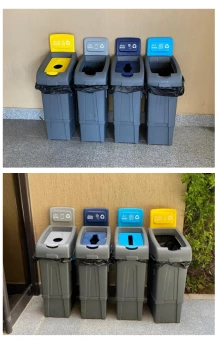
Recycling bins and waste collection points are strategically distributed across campus buildings, cafeterias, offices, and public areas to facilitate the separation of recyclable inorganic waste materials. The waste segregation system, as demonstrated at the Abu Qir Campus, ensures that waste is properly sorted at source, facilitating efficient recycling and reducing contamination.
Student Engagement and Innovation:
- "Recycling Plastic Waste into 3D Printing Filaments" graduation project, selected among the top 28 university projects nationwide as part of the "Egypt Makes" Initiative
- "Eco Sort: Smart Trash Sorting Bin" project, winning second place across Alexandria Governorate
- "Smart Solar Waste Compactor" project, a solar powered intelligent device for plastic waste compression
- Research on polypropylene waste recycling presented at ICaTAS 2023 Conference
5. Sustainable Waste Management Strategy
The university's waste management strategy is guided by the following principles:
- Reduction, reuse, and recycling (3R principles) as the foundation of waste management
- Waste hierarchy of prevention, reuse, recycling, recovery, and disposal
- Expansion of recycling infrastructure across all branches and campuses
- Monitoring and tracking waste quantities through digital waste tracking and reporting systems
- Achieving the university's Zero Waste goals (Zero Waste Campus by the Year 2049) and climate action objectives
- Integration of Artificial Intelligence (AI) technologies into waste management systems to optimize waste sorting
Progress and Achievements:
| Metric | Value |
| Inorganic Waste Generated (This Year) |
282 tons |
| Inorganic Waste Treated |
198 tons (70.2% treatment rate) |
| Paper & Cardboard Treated |
96 tons (77.4%) |
| Plastic Treated |
89 tons (70.6%) |
| Miscellaneous Waste Treated |
13 tons (40.6%) |
| Waste Diversion Rate |
50% achieved by 2023 |
Policy Framework Supporting Inorganic Waste Treatment
| Policy | Relevance to Inorganic Waste Treatment |
| Consumption and Recycling Polic |
Places strong emphasis on recycling; establishes waste hierarchy of prevention, reuse, recycling, recovery, and disposal |
| Policy for Minimisation of Plastic Use |
Establishes guidelines to reduce non biodegradable plastic products; requires halting single use plastics |
| Policy on Plastic Waste Reduction |
Focuses on reducing plastic waste, environmental impact, and sustainable consumption practices |
| Policy for Minimization of Disposable Items |
Promotes reusable, biodegradable, and recyclable alternatives; applies to students, staff, contractors, and suppliers |
| Sustainable Procurement Policy |
Aims at waste reduction with hierarchical approach emphasising reduction, reuse, and recycling |
| Policy Waste Disposal – Hazardous Materials |
Ensures safe handling and disposal of hazardous waste in compliance with environmental regulations |
| Electronic Waste Recycling Program |
Ensures sustainable disposal of obsolete electronic equipment |
Institutional Commitment and Recognition
AASTMT has demonstrated its commitment to inorganic waste treatment through:
- Sustainability Reporting: Annual sustainability reports with third party audits conducted every two years
- Carbon Reduction Targets: Aims to achieve a 50% reduction in carbon emissions by 2040; achieved −3.0% reduction in total emissions from 2023 and −32.8% relative to the 2019 baseline
- International Collaboration: AASTMT organized a workshop on waste management in cooperation with Alexandria Governorate, Nahdet Misr Company, and the German Retech Foundation
- Student Engagement: Integration of waste management projects into academic curricula and graduation projects
Additional Evidence Links
- Consumption and Recycling Policy:
https://aast.edu/en/sdg/contenttemp.php?page_id=121200012
- Policy for Minimization of Plastic Use:
https://www.aast.edu/en/sdg/goals.php?unit_item=1212&unit_item=1212&unit_item=1212&page_id=121200028
- Policy on Plastic Waste Reduction:
https://aast.edu/en/sdg/contenttemp.php?page_id=121500034
- Sustainable Procurement Policy:
https://aast.edu/en/sdg/contenttemp.php?page_id=121200019
- Waste Tracking – Responsible Consumption and Production:
https://aast.edu/en/sdg/goals.php?unit_item=1212&unit_item=1212&page_id=121200032
- Campus Smart Recycling System (CSRS) – Project 2068:
https://aast.edu/en/complexes/is-complex/contenttemp.php?page_id=40700107
- CSRS Video Demonstration:
https://aast.edu/en/gallery/album.php?unit_id=1&gallery_id=1314
This comprehensive inorganic waste treatment framework demonstrates AASTMT's leadership in sustainable resource management within the higher education sector in Egypt, contributing to climate action, circular economy, and the United Nations Sustainable Development Goals.