



 UI-Green Metric
[3.8]Organic waste treatment
|
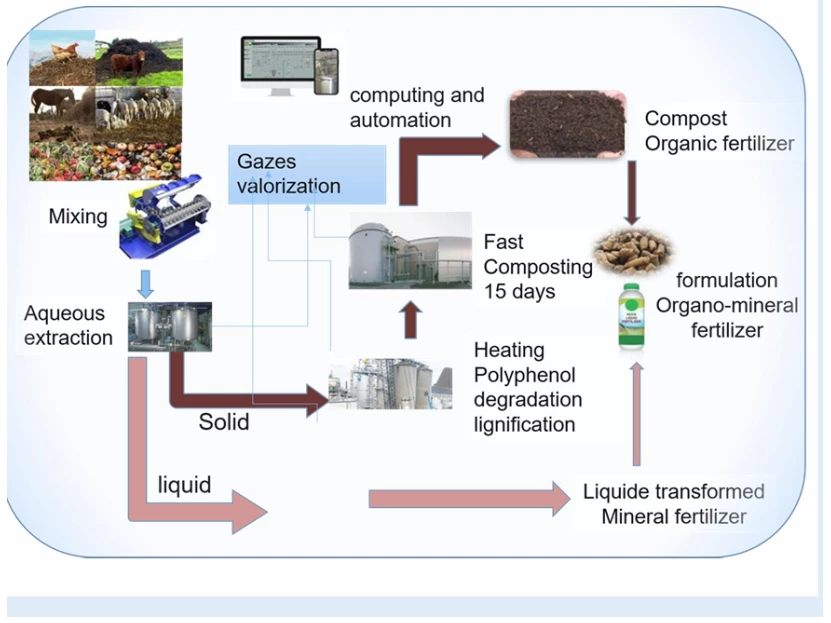
Eco-FertiS Innovative processing of manures and biowastes of Eco-friendly Fertilizer
|
|
|
|
Example of Organic Waste Treatment |
|
|
|
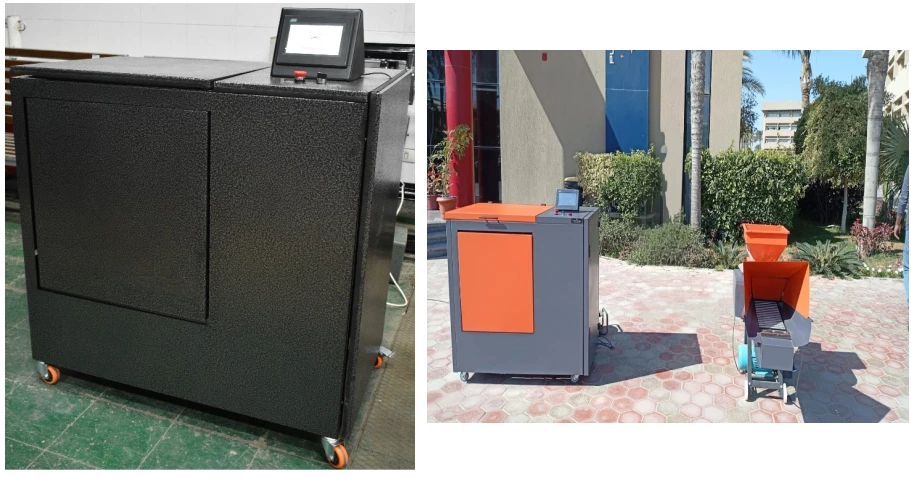
AASTMT Composter Unit |
|
|
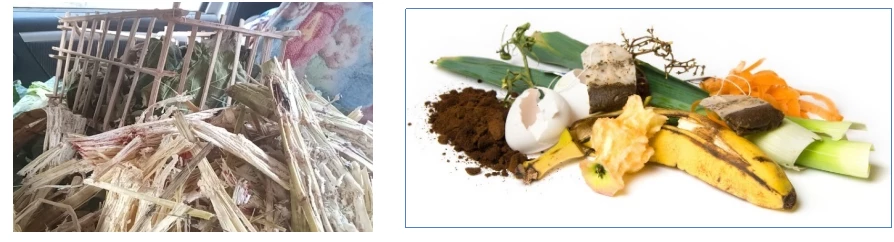
Description:
Arab Academy for Science, Technology and Maritime Transport (AASTMT) is committed to sustainable organic waste management through an integrated, campus wide approach that applies the principles of reduce, reuse, and recycle (3R). The Academy operates multiple initiatives—including vermicomposting, mechanical composting, agricultural waste recycling, and participation in international research projects—to transform food residues and agricultural by products into valuable organic fertilisers and soil conditioners. These efforts not only divert waste from landfills and reduce greenhouse gas emissions but also support circular economy practices and enhance the environmental sustainability of campus operations.
1. AASTMT Composter Unit
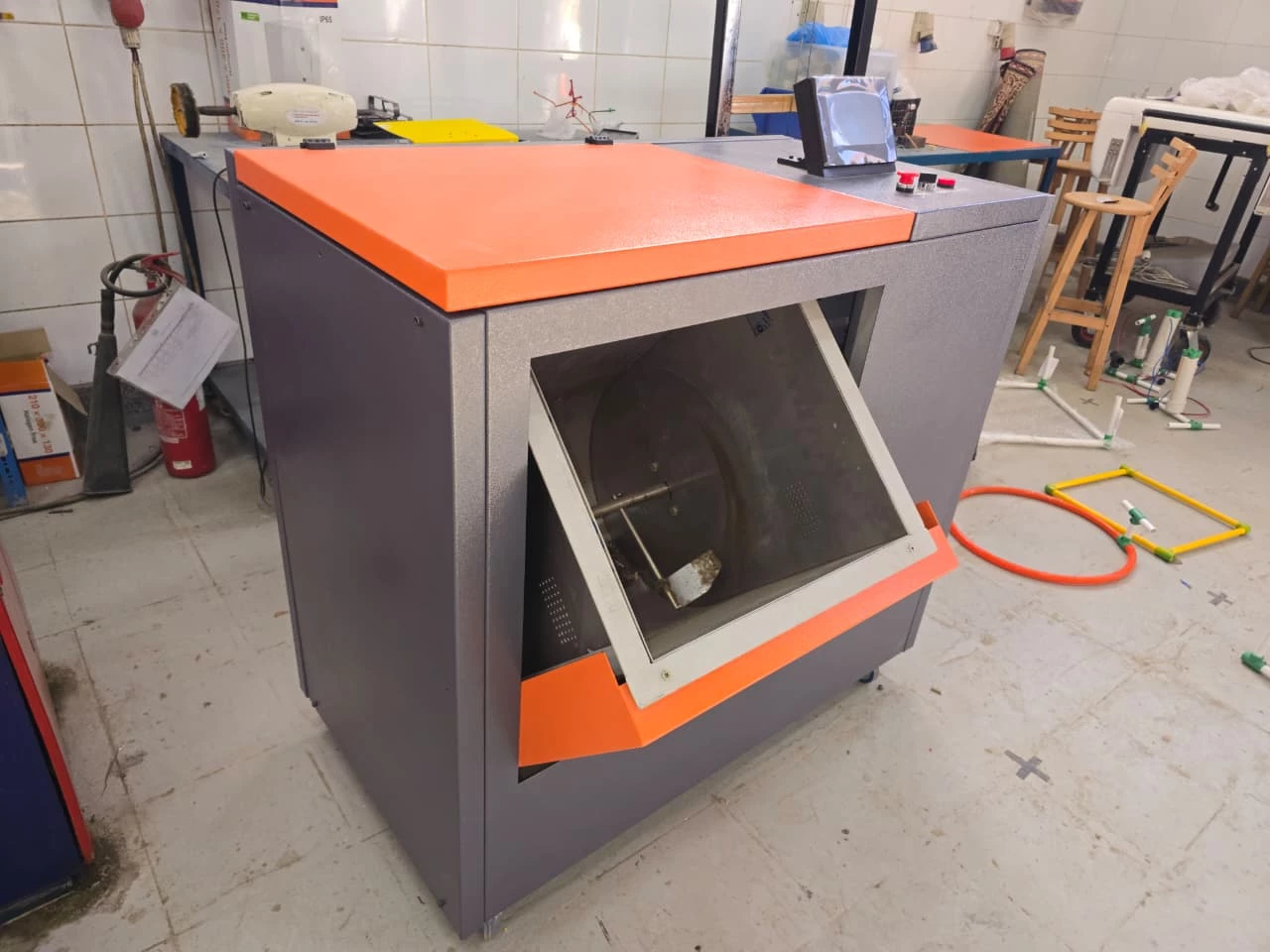
The Composter Unit is a specialized self-contained system engineered to efficiently transform kitchen food waste into high-quality organic fertilizer through an accelerated composting process. This unit provides a controlled, user-friendly environment for the aerobic decomposition of organic materials, offering a practical and sustainable solution for managing food waste generated across campus facilities.
The composter unit is constructed with a sturdy, insulated container equipped with an airtight lid designed to maintain optimal temperature and moisture levels essential for effective composting. Inside the unit, an integrated mixing mechanism promotes adequate airflow and facilitates the systematic breakdown of organic waste materials. Advanced features include adjustable temperature settings and moisture sensors that ensure ideal decomposition conditions, thereby accelerating the natural composting process and enabling quicker production of nutrient-rich compost. The unit is designed with intuitive controls and clear, easy-to-follow instructions for waste loading and progress monitoring, making it suitable for use in households, community centers, and small-scale operations.
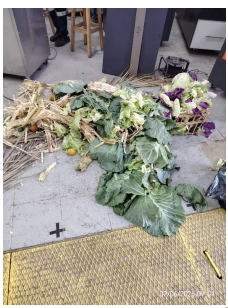
Kitchen food waste—including fruit and vegetable peels, coffee grounds, eggshells, and leftovers— contains valuable nutrients that can be recycled back into the soil. Through the composting process, microorganisms break down these organic materials into a dark, crumbly substance known as compost. This compost can subsequently be used to enrich soil in gardens, lawns, and plant beds, promoting healthy plant growth, improving soil structure, and reducing the need for chemical fertilizers. By diverting food scraps from landfills and allowing them to decompose naturally, composting helps establish a closed-loop system in which waste is transformed into a valuable resource.
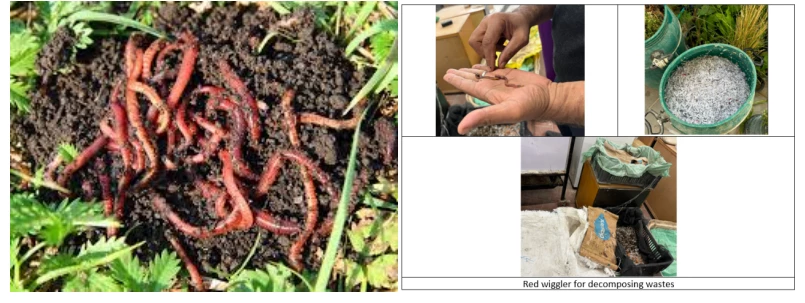
2. Vermicomposting Using Eisenia fetida (Red Wiggler)
Recycling organic waste represents a significant global challenge, particularly in Arab countries experiencing rapid population growth and development. The majority of organic waste is currently dumped in landfills, with only a small fraction buried in specially designated underground sites. The decomposition of such organic waste leads to the generation of greenhouse gases, including carbon dioxide (CO₂) and methane (CH₄), while also posing risks to groundwater quality.
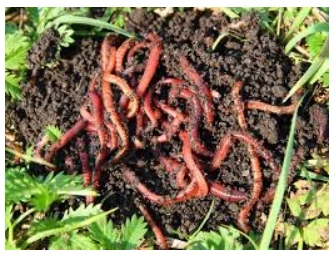
The vermicomposting project at AASTMT addresses these challenges by establishing a sustainable composting unit that utilizes the earthworm Eisenia fetida (commonly known as the red wiggler) to process organic waste. As the earthworms feed on organic materials, they produce nutrient-rich castings—referred to as vermicompost—which are exceptionally rich in organic nutrients and plant growth hormones, offering substantial benefits for plant cultivation.
Additional Benefits
Beyond waste management and fertilizer production, the project offers supplementary advantages. The earthworms exhibit a high reproduction rate, and their protein content can reach up to 70%. Consequently, dried worm meal can be utilized as a supplementary feed for fish and poultry, thereby reducing production costs and contributing to more affordable prices for these essential food sources.
Environmental and Economic Impact
This initiative tackles the urban organic waste problem while simultaneously converting waste into valuable products. The approach reduces overall greenhouse gas emissions, minimizes environmental pollution, and supports sustainable campus operations. At AASTMT, organic waste generated from cafeterias, restaurants, student housing facilities, and campus food services is managed through an integrated sustainable waste management program implemented across all university campuses. The Academy applies the principles of reduce, reuse, and recycle (3R) to minimize environmental impacts and support circular economy practices.
3. Smart Recycling System
AASTMT has implemented a comprehensive Smart Recycling System that focuses on the collection and treatment of organic food waste alongside plastic and aluminum waste. Organic waste generated from food preparation and consumption activities is separated at source and processed through environmentally friendly management practices, ensuring that organic materials are diverted from direct landfill disposal. The initiative aims to reduce greenhouse gas emissions, minimize environmental pollution, and support sustainable campus operations.
4. Food Waste Recycling and Composting Practices
The Academy applies a range of food waste recycling and composting practices, including:
- Vermicomposting systems utilizing Eisenia fetida for organic waste processing
- Production of organic fertilizers and bio-fertilizers from food waste
- Reuse of selected food residues for agricultural and environmental applications
- Collaboration with specialized waste management and recycling companies for safe collection and treatment processes
5. MED Food TTHubs Project (PRIMA Initiative)
Project Overview
MED Food TTHubs is a PRIMA-funded project that seeks to support the implementation of full-path tracing practices throughout the entire distribution channel—from seed to shelf—with the objective of achieving safer and more sustainable Mediterranean food products. The project aims to implement full transparency concerning traceability and authenticity in the food supply sector, leveraging cutting-edge technologies and Internet of Things (IoT) solutions while building on standardized approaches to food production processes, location identification, transparent monitoring procedures, and innovative business partnerships.
Network and Implementation
MED Food TTHubs establishes and operates seven pilot Trace & Trust Hubs, forming a transnational network that serves as a one-stop-shop for traceability and authenticity for "added value" Mediterranean food products.
Consortium Partners
The MED Food TTHubs consortium comprises ten partners from six countries:
|
Country |
Partner Institutions |
|
Greece |
Centre for Research and Technology Hellas (CERTH), University of Patras (UoP), Green Project SA (GP) |
|
Portugal |
INOV INESC Inovação |
|
Spain |
Universidad Politécnica de Madrid (UPM) |
|
Italy |
TECNOALIMENTI S.C.p.A (TCA), Engineering (ENG) |
|
Egypt |
Arab Academy for Science, Technology and Maritime Transport (AASTMT) |
|
Tunisia |
Higher School of Engineers of Medjez El Bab (ESIM) |
|
Jordan |
Jordan University of Science and Technology (JUST) |
The consortium covers a wide range of expertise, enabling comprehensive approaches to food traceability and sustainability challenges in the Mediterranean region.
6. ECo-FertiS: Innovative Processing of Manures and Biowastes for Eco-friendly Fertilizer Production
Problem Context
Agricultural production must increase substantially to meet growing global food demand. However, heavy reliance on synthetic fertilizers damages soils, ecosystems, and human health, while organic fertilizers alone cannot sustain high yields. There is an urgent need for sustainable fertilization strategies that ensure food security, enhance soil health, and reduce environmental impacts.
Project Objectives
ECo-FertiS focuses on developing and testing innovative fertilization approaches that combine mineral, organic, and organo-mineral inputs for optimal crop nutrition. The project aims to:
- Enhance soil fertility and health through sustainable practices that reduce reliance on conventional synthetic fertilizers
- Improve crop yield and quality while lowering the environmental impacts of fertilization
- Promote circular economy practices by valorizing organic waste materials—including animal manure and plant residues—into useful fertilizers
- Provide scientific evidence and practical guidelines for farmers, stakeholders, and policymakers to implement sustainable fertilization strategies
Regional Context and Living Labs
The project develops "nature-based" practical solutions to enhance the resilience of endangered Mediterranean dryland socio-ecological systems and restore degraded ecosystems in arid and hyper-arid lands. New knowledge, integrated tools, and processes are co-developed with stakeholders through Living Labs established across "hotspots" located in Egypt, Greece, Italy, Morocco, Spain, and Tunisia. These locations encapsulate a wide range of societal, agricultural, forestry, and climatological conditions. The Living Lab-validated technologies facilitate the efficient usage of water resources for civic, agricultural, and ecosystem services while enhancing the potential for scaling-up at the policy-making level and scaling-out to other Mediterranean socio-ecological systems. All relevant stakeholders and end-users are actively engaged to test the effectiveness of the emerging solutions.
7. Agricultural Waste Recycling Projects
Overview
The Department of Agriculture and Landscape Design at AASTMT operates comprehensive agricultural waste recycling initiatives that transform organic residues into valuable soil amendments and fertilizers. These projects demonstrate the Academy's commitment to circular economy principles and sustainable resource management.
Production Output (2024/2025 Academic Year)
| Product | Quantity | Weight | Total Production | Primary Use |
| Peat Moss |
400 bags |
50 kg per bag |
20 tons |
Plant soil / soil amendment |
| Compost |
300 bags |
50 kg per bag |
15 tons |
Lawn fertilization |
Application
The recycled products are utilized across campus for fertilizing palm trees, lawns, and various landscaping applications, contributing to the Academy's green campus initiatives and demonstrating the practical viability of organic waste recycling.
Additional Evidence Links
- Accelerating to Stop Food Waste and Loss for a Net Zero Emission Future
https://aast.edu/en/news/news-details.php?language=1&unit_id=473&news_id=47310171&event_type_id=1
- Composting Organic Wastes into Organic Fertilizers Using the Earthworm Eisenia fetida (Red Wiggler)
https://aast.edu/en/scientific-research/projects/project.php?uid=16&proj_id=2716
- Agricultural Waste Recycling Production – Video Documentation:
https://www.youtube.com/watch?v=EZNcKqkj9a8
This comprehensive organic waste treatment framework positions AASTMT as a leader in sustainable waste management practices within the higher education sector in Egypt and the broader Mediterranean region.