



 UI-Green Metric
[5.18] Impact of Transportation programs in supporting the Sustainable Development Goals (SDGs)
|
|
|
|
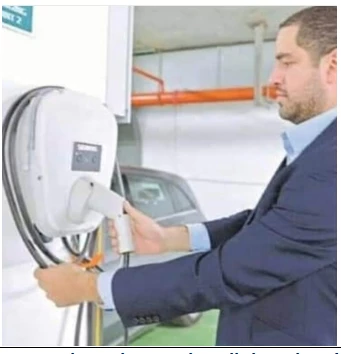
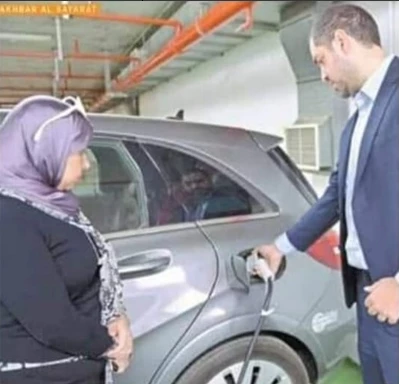
AASTMT works on integrating all the related initiatives of the 17 SDGs to fulfil more clean, eco-friendly and sustainable commuting. AASTMT has taken early initiative in the field of Electric Vehicles (EV). Abu Qir Campus, Alexandria, Egypt |
|
Description:
The Arab Academy for Science, Technology and Maritime Transport (AASTMT) has strategically aligned its campus transportation programs with the United Nations Sustainable Development Goals (SDGs).
As the University recognizes that transport makes a significant contribution to its carbon footprint and local air quality, AASTMT has implemented a comprehensive suite of transportation initiatives that directly and indirectly support multiple SDGs.
The Academy works on integrating all the related initiatives of the 17 SDGs to ensure more clean, eco-friendly and sustainable commuting.
SDG 3: Good Health and Well-Being
Impact of Transportation Programs
AASTMT's transportation programs contribute to SDG 3 by promoting healthy lifestyles, reducing air pollution, and enhancing traffic safety on campus.
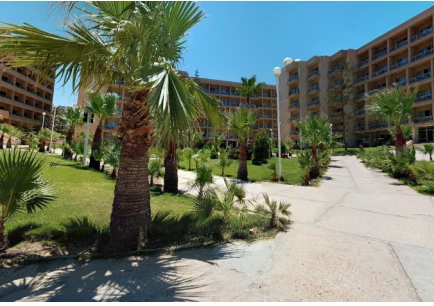
Pedestrian and Cycling Infrastructure: The Academy has developed a comprehensive network of bike lanes and pedestrian-friendly pathways, making it easier for individuals to commute via walking or cycling. These initiatives encourage physical activity and reduce exposure to vehicle emissions. AASTMT organizes multiple student activities that encourage healthy, low-carbon mobility habits, including bicycle riding events, triathlon challenges, and electric scooter activities.
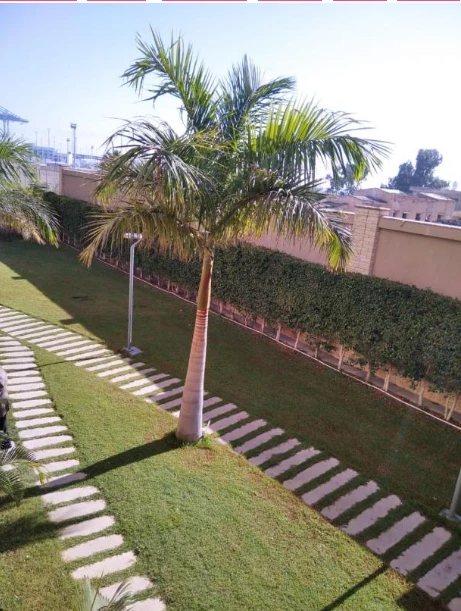
Pedestrian Priority Policy: The campus implements a Pedestrian Priority on Campus policy, ensuring safe internal roads with reduced vehicle speed limits, designated walking areas, and interconnected pathway networks. This enhances traffic safety and reduces the risk of accidents.
Reduced Air Pollution: By encouraging sustainable commuting options, AASTMT is reducing carbon emissions and improving local air quality. The campus is fully equipped with smoke-free environments and designed to promote well-being.
Alignment with SDG 3 Targets:
- Target 3.9: Reducing pollution-related health impacts through lower vehicle emissions
- Target 3.6: Reducing road traffic injuries through pedestrian-safe infrastructure
SDG 7: Affordable and Clean Energy
Impact of Transportation Programs
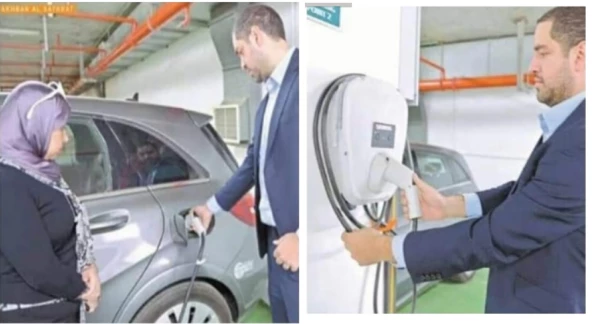
AASTMT's transportation programs support SDG 7 through the transition to electric vehicles, the installation of charging infrastructure, and the integration of renewable energy into campus mobility.
Electric Vehicle Adoption: AASTMT has taken early initiative in the field of Electric Vehicles (EV). The Academy has collaborated with local transportation authorities to introduce electric vehicle charging stations across its campuses, encouraging the use of electric cars.
Fleet Electrification: The Climate Action Plan outlines a strategy to gradually replace the campus fleet with electric vehicles to minimize emissions from transportation. This transition supports reduced reliance on fossil fuels and promotes clean energy in the transport sector.
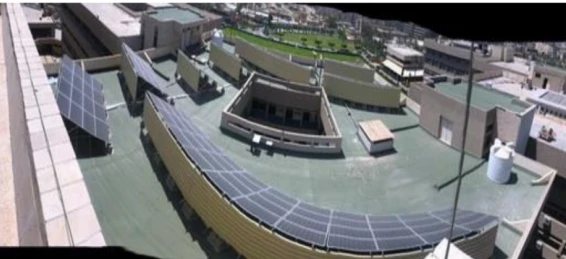
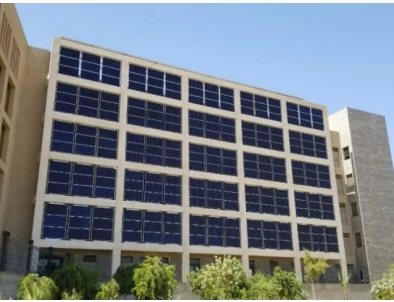
Renewable Energy Integration: As of 2024, approximately 230kW of on-site solar capacity is operational across AASTMT campuses, including a 150kW grid-tied PV station at the Aswan branch and a 50kW grid-tied PV station at the Alexandria Abukir campus. This renewable energy can power electric vehicle charging infrastructure.
Energy Efficiency: AASTMT has achieved a 17.33% reduction in energy consumption comparing 2024 consumption to the 2018 baseline, reflecting broader energy efficiency measures that support clean transportation.
Alignment with SDG 7 Targets:
- Target 7.2: Increasing share of renewable energy in campus operations
- Target 7.3: Doubling the global rate of improvement in energy efficiency
SDG 8: Decent Work and Economic Growth
Impact of Transportation Programs
AASTMT's transportation programs support SDG 8 by providing affordable, accessible transport options that enable students and staff to participate in education and employment, while also contributing to local economic development.
Affordable Transport Access: AASTMT provides a huge bus fleet consisting of over 25 buses for students, 9 coasters, and 9 microbuses with modest annual fees, helping students and staff access the campus affordably. This reduces financial barriers to education and employment.
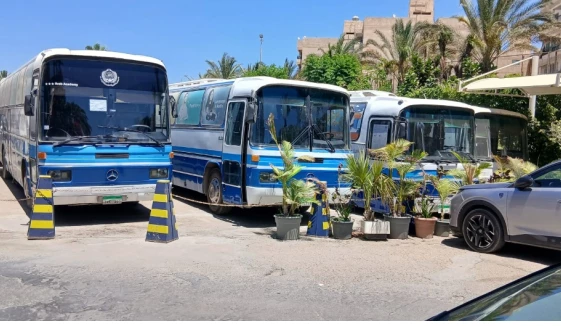
Shuttle Services:
Free shuttle buses are available to link the Abu Qir and Miami campuses (approximately 20 km apart), enabling staff and students to move between facilities without additional cost.
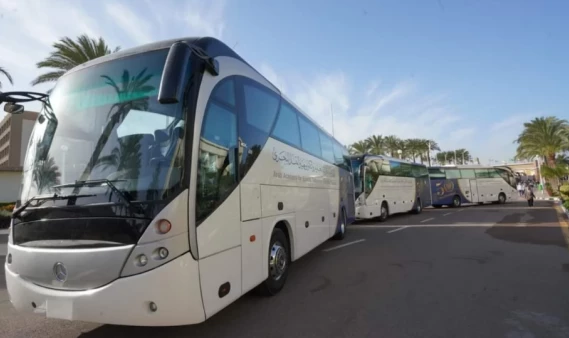
Private Sector Partnership: AASTMT has an agreement with SWVL, a private transport company, to provide discounted trips to students heading to AASTMT. This partnership creates economic opportunities while supporting sustainable mobility.
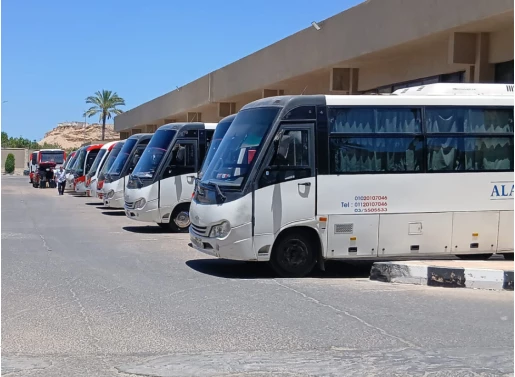
Carpooling Incentives: The Academy encourages carpooling among students and staff, reducing daily transportation expenses and supporting economic efficiency.
Alignment with SDG 8 Targets:
- Target 8.5: Full and productive employment through accessible transport
- Target 8.8: Safe and secure working environments enabled by reliable transport access
SDG 9: Industry, Innovation, and Infrastructure
Impact of Transportation Programs
AASTMT's transportation programs support SDG 9 by building resilient infrastructure, promoting sustainable industrialization, and fostering innovation in transport technologies.
Intelligent Transportation Network: The AASTMT Alamein Campus features an intelligent transportation network designed to reduce congestion and emissions. This state-of-the-art infrastructure serves as a model for sustainable urban development.
Smart Transport Innovation: AASTMT participated in TransMEA 2024, presenting cutting-edge technologies in smart transport, digital transformation, and maritime logistics. The exhibition highlighted innovative solutions for sustainable mobility and enhanced urban transport systems.
Innovation in Electric Mobility: AASTMT participated in the Egypt Electric Car Rally at New Alamein City, engaging 43 teams from 28 universities to promote sustainable urban mobility and electric vehicles.
Autonomous Vehicle Research: The College of Computing and Information Technology offers a concentration on "Smart Software for Autonomous Vehicles," preparing students to develop next-generation transportation technologies.
Research and Development: AASTMT conducts research projects on sustainable transport, including "Towards an Integrated Egyptian Maritime Transport Sector", contributing to resilient infrastructure development.
Alignment with SDG 9 Targets:
- Target 9.1: Developing quality, reliable, sustainable, and resilient infrastructure
- Target 9.4: Upgrading infrastructure and retrofitting industries to make them sustainable
- Target 9.5: Enhancing scientific research and innovation in transport technologies
https://aast.edu/en/sdg/goals.php?unit_item=1209&unit_item=1209&unit_item=1209&page_id=120900056
SDG 11: Sustainable Cities and Communities
Impact of Transportation Programs
SDG 11 is the primary goal directly addressed by AASTMT's transportation programs. The Academy plays a pivotal role in advancing SDG 11—Sustainable Cities and Communities—by fostering innovation and education that promote inclusive, safe, resilient, and sustainable cities.
Sustainable Commuting Targets: AASTMT measures and sets targets for more sustainable commuting including walking, cycling, carpooling, shuttle buses, and electric vehicles. The Academy implements practical solutions that reduce traffic congestion, lower air pollution, and improve access to public spaces.
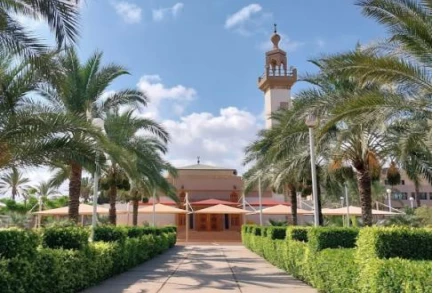
Pedestrian Priority: The campus implements a Pedestrian Priority on Campus policy, with safe internal roads, reduced speed limits, and designated walking areas.
Intelligent Transportation Network: The Alamein Campus features an intelligent transportation network to reduce congestion and emissions, ample green public space to mitigate the urban heat island effect, and sustainable drainage systems to manage flood risk.
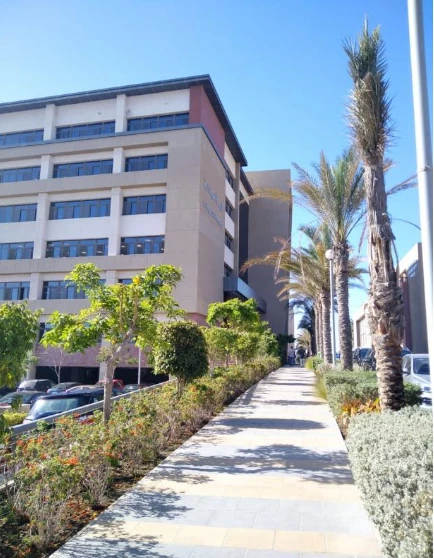
Public Access to Green Spaces: AASTMT provides occasional free access to its campus grounds and facilities for the local community under the initiative 'Toward a Green and Sustainable Future'.
Climate and Environmental Monitoring: AASTMT conducts training on climate change, remote sensing, and marine resource management, enhancing urban resilience and knowledge-based urban planning.
Alignment with SDG 11 Targets:
- Target 11.2: Providing access to safe, affordable, accessible, and sustainable transport systems
- Target 11.6: Reducing the adverse per capita environmental impact of cities
- Target 11.7: Providing universal access to safe, inclusive, and accessible green and public spaces
- Target 11.a: Supporting positive economic, social, and environmental links between urban and peri-urban areas
SDG 12: Responsible Consumption and Production
Impact of Transportation Programs
AASTMT's transportation programs support SDG 12 by reducing consumption associated with private vehicle use, promoting sustainable procurement of transport services, and minimizing waste in transportation operations.
Reduced Private Vehicle Dependency: By providing shuttle buses, carpooling programs, and pedestrian infrastructure, AASTMT reduces the number of private vehicles on campus, lowering fuel consumption and associated resource use.
Sustainable Procurement Policy: The Academy has a Sustainable Procurement policy that prioritizes waste reduction through a hierarchical approach of elimination, reuse, and recycling, which applies to transportation-related procurement.
Alignment with SDG 12 Targets:
- Target 12.2: Sustainable management and efficient use of natural resources
- Target 12.7: Promoting sustainable procurement practices
- Transport and Travel Planning Policy at AASTMT
https://aast.edu/en/research/contenttemp.php?page_id=47300118
- Transportation
https://www.aast.edu/ar/sites/sports/contenttemp.php?page_id=44600014
- Transportation at the Academy
https://www.aast.edu/ar/services/transportation.php
SDG 13: Climate Action
Impact of Transportation Programs
AASTMT's transportation programs directly support SDG 13 by reducing greenhouse gas emissions and building climate resilience.
Carbon Emissions Reduction: AASTMT has achieved a −3.0% reduction in total emissions from 2023 and −32.8% relative to the 2019 baseline, demonstrating sustained decarbonization momentum. The Academy's total carbon footprint for 2024 is 103,862,750 kg CO₂e, representing continued progress.
Climate Action Plan: The Academy has adopted a Climate Action Plan aligned with SDG 13 for Climate Action, with targets of 30% reduction in carbon emissions by 2025 and 50% by 2040.
Fleet Electrification: A key strategy is to gradually replace the campus fleet with electric vehicles to minimize emissions from transportation.
Sustainable Commuting: By promoting walking, cycling, and public transport, AASTMT reduces carbon emissions associated with daily commutes.
Carbon Neutrality Commitment: AASTMT demonstrates strong engagement and leadership in integrating climate policies across academic and operational frameworks.
Renewable Energy Expansion: The Academy targets 25% renewable energy generation by 2025 and 40% by 2040, supporting low-carbon campus operations including transportation.
Alignment with SDG 13 Targets:
- Target 13.2: Integrating climate change measures into policies, strategies, and planning
- Target 13.3: Improving education, awareness-raising, and human and institutional capacity on climate change mitigation and adaptation
SDG 17: Partnerships for the Goals
Impact of Transportation Programs
AASTMT's transportation programs support SDG 17 through strategic partnerships with government entities, private companies, and international organizations to advance sustainable transport.
Local Transportation Authority Collaboration: AASTMT has collaborated with local transportation authorities to introduce electric vehicle charging stations across its campuses.
Private Sector Partnerships: The Academy has an agreement with SWVL to provide discounted student transport, demonstrating public-private collaboration for sustainable mobility.
International Collaboration: AASTMT has established a strategic alliance with the University of Genoa (UniGe) and other international partners, creating a framework for collaboration aligned with SDG 17.
Cross-Sectoral Dialogue: AASTMT engages in cross-sectoral dialogues on the SDGs, uniting government entities, NGOs, industry, academia, and international organizations.
Regional Cooperation: The Academy organized the Arab Workshop on Intelligent Systems for Sustainable Transportation (October 2025), bringing together representatives of Arab ministries of transport, officials, experts, and specialists to create a collaborative plan for sustainable transport.
Alignment with SDG 17 Targets:
- Target 17.16: Enhancing the global partnership for sustainable development
- Target 17.17: Encouraging and promoting effective public, public-private, and civil society partnerships
https://aast.edu/en/sdg/goals.php?unit_item=1217&unit_item=1217&unit_item=1217&page_id=121700055
Transportation Programs and SDG Contributions
|
SDG |
Contribution |
Key Initiatives |
|
SDG 3 |
Health, safety, reduced pollution |
Pedestrian pathways, cycling infrastructure, traffic safety measures |
|
SDG 7 |
Clean energy, EV adoption |
EV charging stations, fleet electrification, solar integration |
|
SDG 8 |
Economic growth, decent work |
Affordable shuttle services, carpooling, SWVL partnership |
|
SDG 9 |
Innovation, infrastructure |
Intelligent transport network, TransMEA participation, autonomous vehicle research |
|
SDG 11 |
Sustainable cities |
Integrated Transport Plan, sustainable commuting targets, pedestrian priority |
|
SDG 12 |
Responsible consumption |
Reduced vehicle dependency, sustainable procurement, local sourcing |
|
SDG 13 |
Climate action |
32.8% emissions reduction, Climate Action Plan, fleet electrification |
|
SDG 17 |
Partnerships |
SWVL agreement, local authority collaboration, Arab workshop |
Conclusion
AASTMT's transportation programs demonstrate a comprehensive and integrated approach to supporting the Sustainable Development Goals. Through the Integrated Transport Plan adopted since 2016, the Academy has systematically implemented initiatives that reduce vehicle dependency, promote sustainable commuting, and lower carbon emissions. The impacts are measurable: −32.8% reduction in emissions since 2019, 17.33% reduction in energy consumption, and the deployment of 230kW of on-site solar capacity.
By integrating transportation initiatives with the broader sustainability framework, AASTMT demonstrates how higher education institutions can serve as models of environmental stewardship while advancing the 2030 Agenda for Sustainable Development. The Academy's commitment to integrating all related initiatives of the 17 SDGs ensures that transportation programs contribute not only to environmental sustainability but also to social well-being, economic development, and global partnerships.
https://aast.edu/en/student-affairs/alex/contenttemp.php?page_id=48600103