



 UI-Green Metric
[5.4] The total number of vehicles (cars and motorcycles) divided by total campus population
|
No. |
Vehicle |
Total Number 2026 |
Total Number 2025 |
|
1 |
Car managed by the university |
131 |
149 |
|
2 |
Cars entering the university |
400 |
456 |
|
3 |
Motorcycles entering the university |
non |
144 |
|
|
Total |
531 |
749 |
531 (Total number of Vehicles) / 12,294 (Total population in Abou Qir Branch) = 0.043
Description:
The total number of vehicles decreased from 749 vehicles in 2025 to 531 vehicles in 2026, representing a reduction of approximately 29.1%. This decline was mainly attributed to a decrease in university-managed cars (from 149 to 131 vehicles), a reduction in private cars entering the campus (from 456 to 400 vehicles), and the elimination of motorcycle entries, which decreased from 144 motorcycles in 2025 to none in 2026.
The ratio of total vehicles to the total population of the Abu Qir Branch is 0.043 vehicles per person (531 vehicles / 12,294 people), equivalent to approximately 43 vehicles per 1,000 campus users. This trend reflects a lower reliance on private vehicle use and contributes positively to reducing traffic congestion, fuel consumption, greenhouse gas emissions, and the overall carbon footprint of the campus.
At the Abu Qir and Miami Campuses in Alexandria, the AASTMT provides a free daily shuttle bus service connecting the two campuses, which are located approximately 10 km apart. This service supports convenient and sustainable mobility for students and staff while reducing dependence on private vehicles and associated carbon emissions.
The effectiveness of these efforts is reflected in the reduction of vehicles accessing the campus, This reduction resulted from fewer university-managed vehicles, a decline in private car use, and the elimination of motorcycle access.
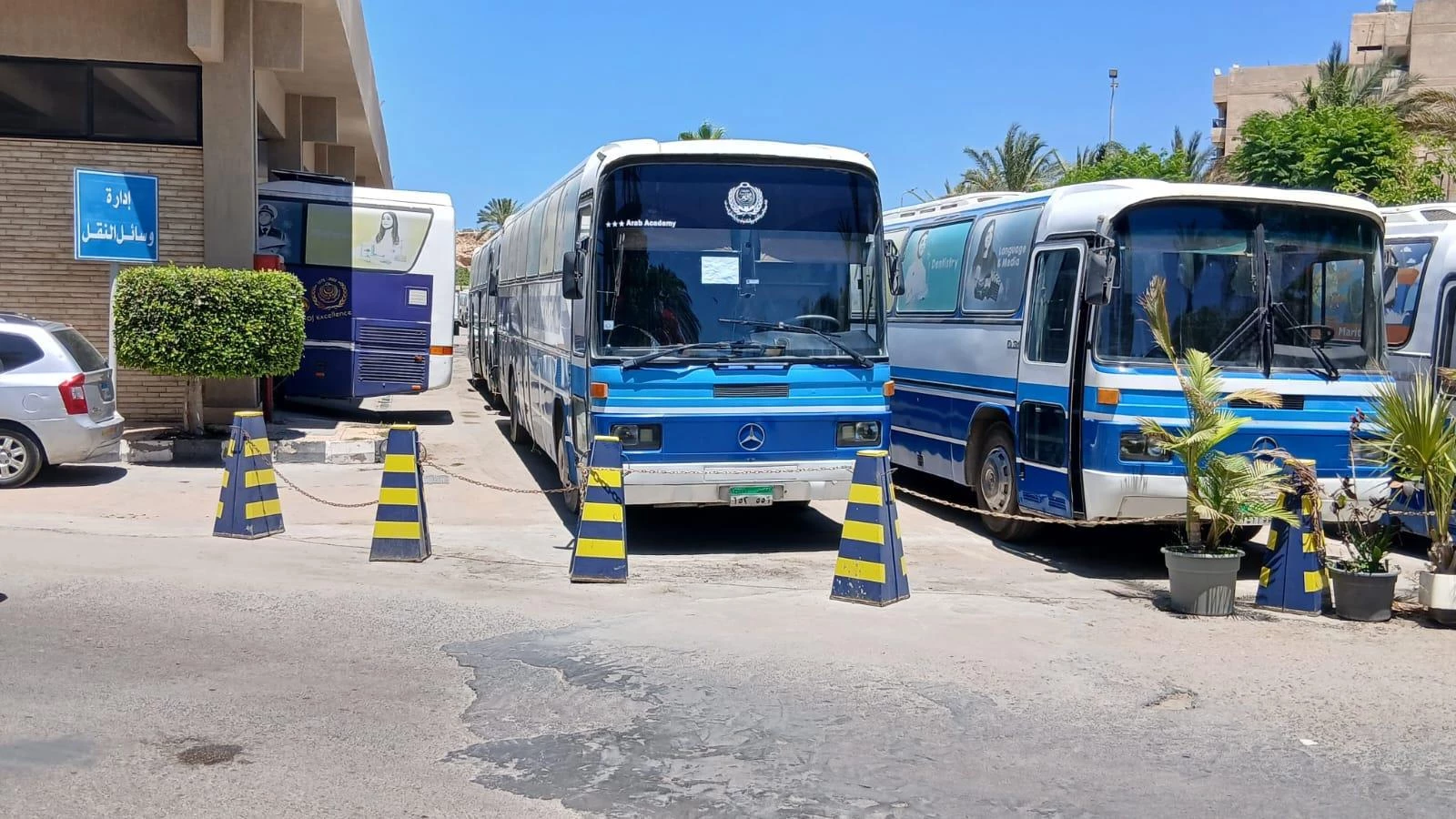
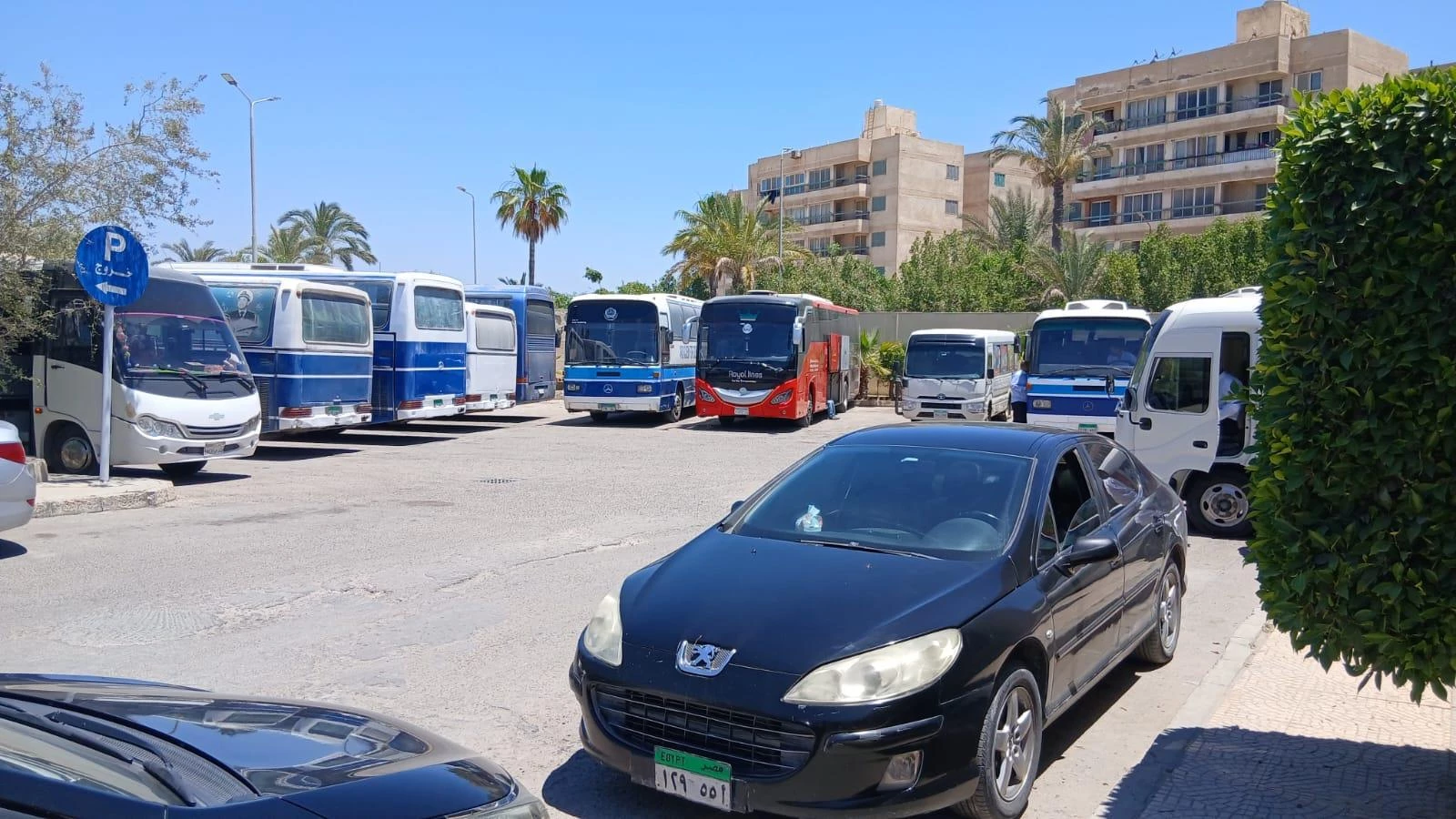
To further minimize transportation-related environmental impacts, AASTMT actively promotes sustainable mobility initiatives, including the optimization of university fleet operations, the expansion of shared transportation services, and the encouragement of carpooling among students and employees.
Awareness campaigns and sustainability-focused transportation policies are regularly implemented to increase vehicle occupancy rates and reduce single-passenger trips.
Collectively, these measures contribute to lowering fuel consumption, reducing greenhouse gas emissions, mitigating traffic congestion, and decreasing the Academy’s overall carbon footprint. Through these initiatives, AASTMT continues to advance its commitment to environmental sustainability, climate action, and the development of a more sustainable and environmentally responsible campus community.
Additional evidence link:
- Transport and Travel Planning Policy at AASTMT
https://aast.edu/en/research/contenttemp.php?page_id=47300118
- Transportation
https://www.aast.edu/ar/sites/sports/contenttemp.php?page_id=44600014
- Transportation at the Academy