



 UI-Green Metric
[4.3] Water Recycling Program Implementation
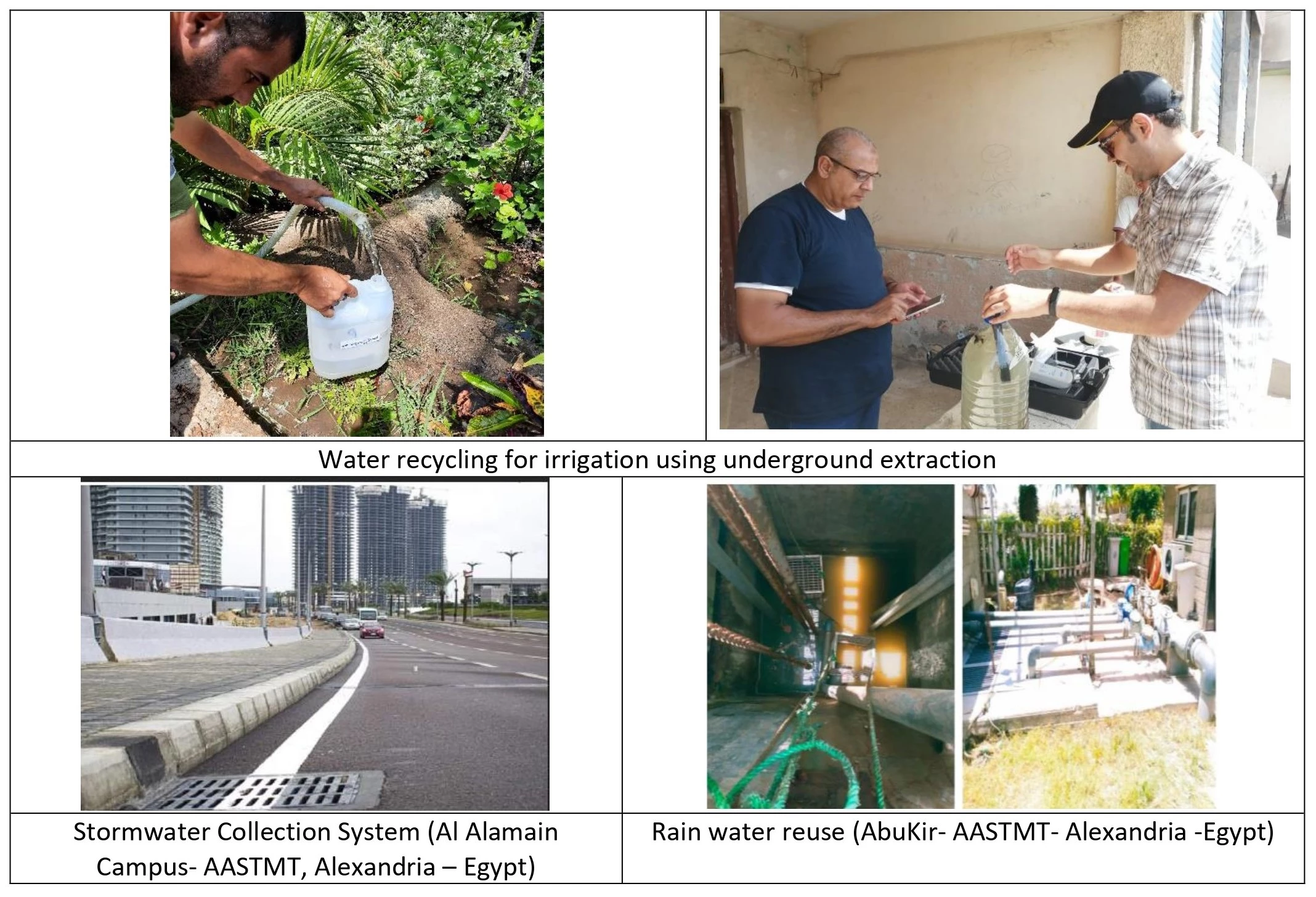
Description:
The AASTMT is committed to sustainable water management and recycling practices. Across its campuses, the Academy adopts efficient measures to reduce potable water use and promote reuse wherever possible. This is implemented through:
- Wastewater Management
- Rainwater Harvesting
- Pilot projects
- Groundwater Utilization
- Monitoring and Maintenance
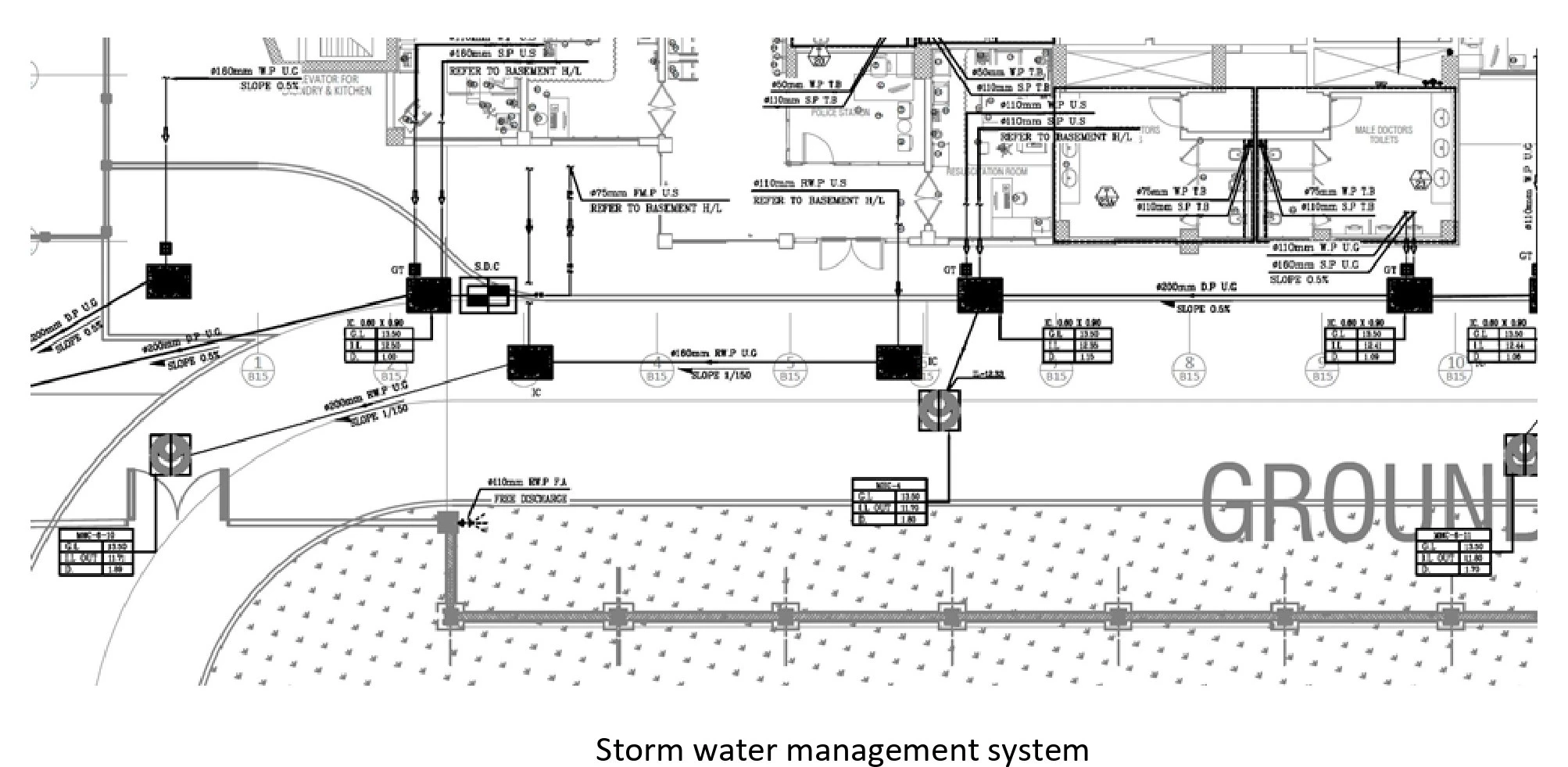
- Stormwater Collection System Implemented at Al Alamein Hospital
As part of the sustainable infrastructure design for the AAST Al Alamein Hospital, the latest drainage layout showcases a comprehensive stormwater collection network ensuring efficient rainwater management across the facility. The system integrates rainwater pipes (RW.P), gully traps (GT), inspection chambers (IC), and main manholes (MHC) strategically distributed around key building zones. Stormwater collected from roofs and paved areas is directed through underground pipes sloped at 0.5% to maintain steady flow, eventually reaching the free discharge points positioned along the southern perimeter. Additionally, storm drain connections (S.D.C) link the gully traps to the inspection chambers, facilitating maintenance and monitoring while minimizing the risk of surface flooding. This setup demonstrates AAST’s commitment to sustainable water management and climate-resilient building design.
https://aast.edu/en/sdg/news-details.php?language=1&view=1&unit_id=1206&news_id=486105542&event_type_id=1
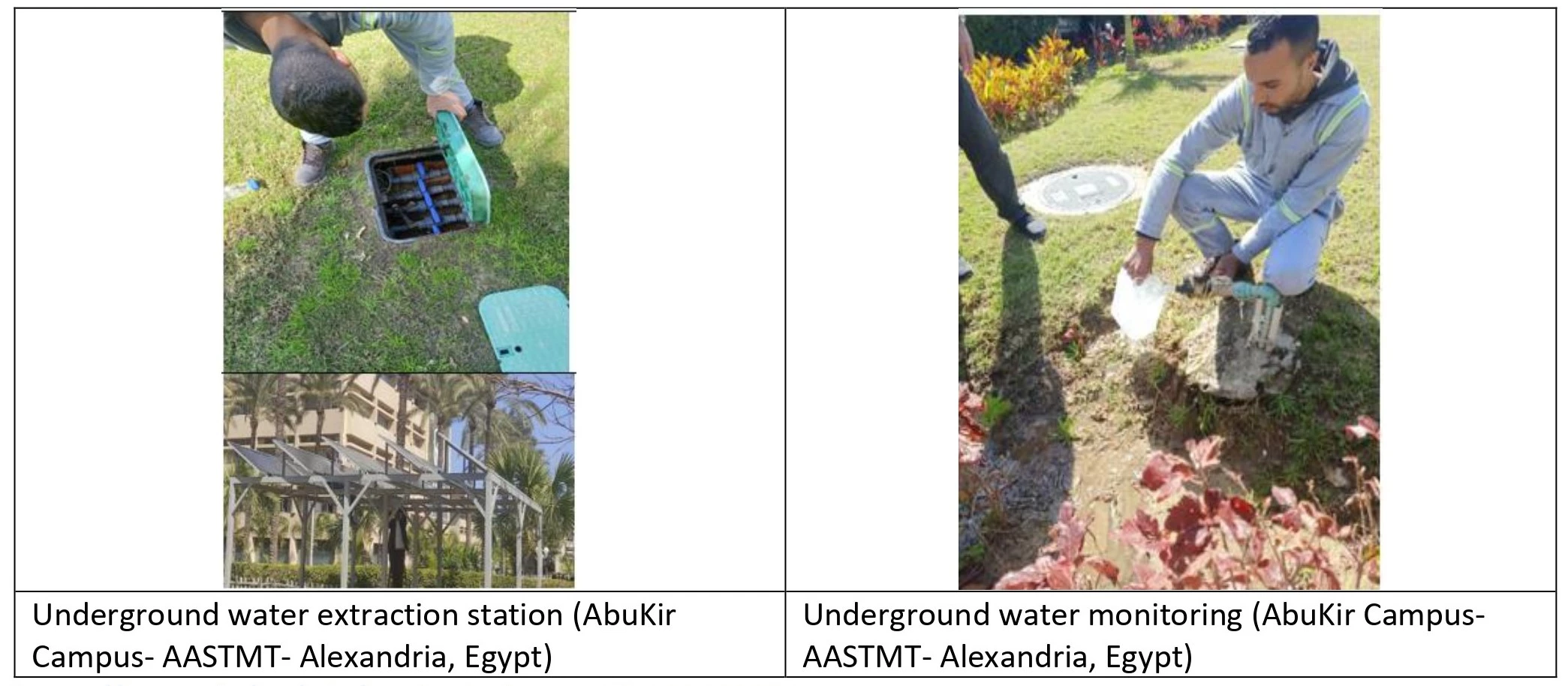
- Underground Water Extraction:
Some AASTMT campuses (especially those with large landscape areas) have an underground water extraction station. The Abukir campus in AASTMT is about 25-acre of landscape area that is mostly gardens. In that area, palm trees as well as the green land cover are irrigated by thirteen borehole wells. Water is extracted through deep wells using mechanical drilling, and submersible pumps are used to draw groundwater. Underground water is utilized to cover all irrigation needs for all green areas in AAST as well as for filling up fire protection water system. Underground is carefully measured, monitored and analyzed monthly to make sure that water quality meets irrigation specifications. The amount of underground extracted water for the year 2022-2023 was 115000 cubic meters.
https://aast.edu/en/sdg/goals.php?page_id=120600054
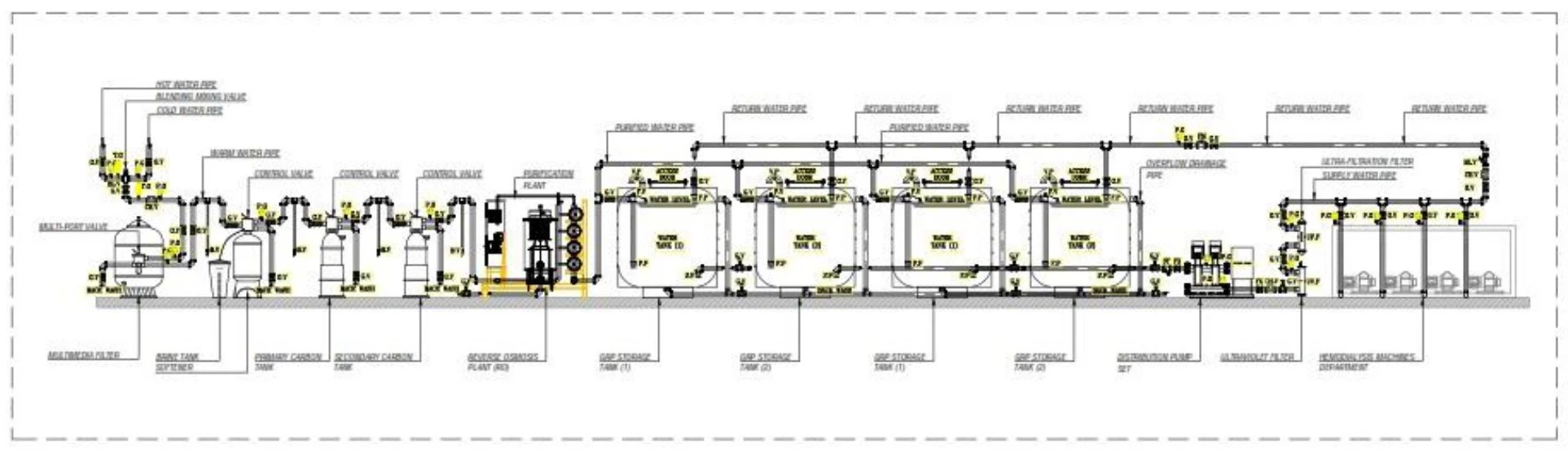
- Wastewater Treatment for Alamain Campus Hospital
AASTMT – Alamein Campus has established a specialized wastewater treatment system serving its medical and laboratory facilities, ensuring that all discharged water is safely treated and reused while preventing pollution of natural water bodies. This advanced medical wastewater treatment unit is designed to remove biological, chemical, and physical contaminants, providing safe effluent that complies with environmental health standards. The system plays a vital role in protecting both human health and the surrounding ecosystem by minimizing the risks associated with untreated medical effluents. System Components and Process:
- Collection Network: Gathers wastewater from medical laboratories, clinics, and sanitary facilities through sealed pipelines to prevent leakage or contamination.
- Screening and Sedimentation Units: Remove large particles, suspended solids, and organic matter to prepare the water for further treatment.
- Biological Treatment Unit: Uses aerobic bacteria to break down organic pollutants and reduce biochemical oxygen demand (BOD).
- Chemical Disinfection Stage: Employs chlorine dosing and UV sterilization to eliminate pathogens, bacteria, and viruses, ensuring hygienic safety.
- Filtration and Reverse Osmosis (RO): Advanced filtration membranes remove dissolved salts, heavy metals, and chemical residues, producing high-quality treated water.
Reuse and Recycling Loop: The treated water is safely reused for non-potable applications such as irrigation, flushing, and cleaning operations, thereby reducing water consumption and supporting sustainable resource management.
- Use of recycled water for planting:
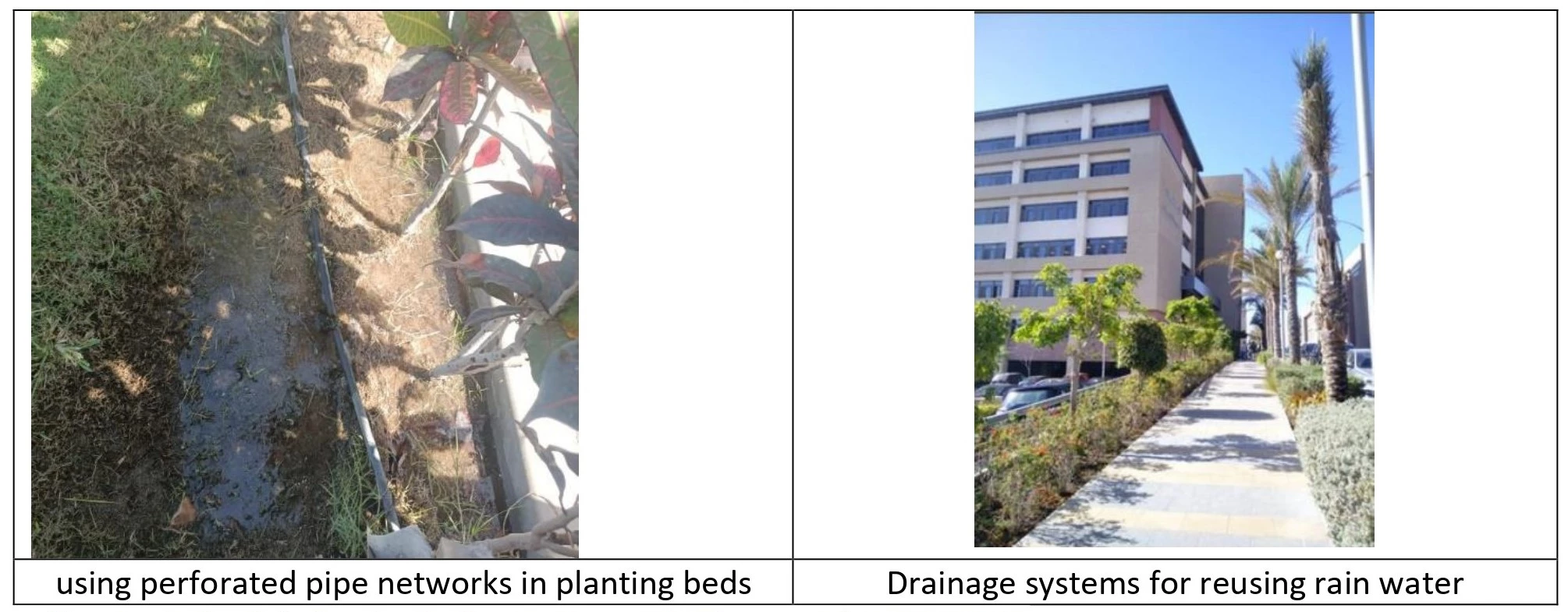
- Utilizing irrigation techniques with perforated pipe networks in planting beds during site modifications around projects, instead of water-intensive flood irrigation that consumes large amounts of potable water.
- Controlling the flow of rainwater in paved areas by installing drainage inlets connected to a deep, perforated pipe network, directing rainwater into the soil to recharge the natural groundwater reservoir and reduce the load on drainage systems.
- Employing open drainage on rooftops and walkways to channel rainwater into planting beds and green areas, thereby easing the burden on the sewage networks.
https://aast.edu/en/sdg/goals.php?unit_item=1206&page_id=120600044
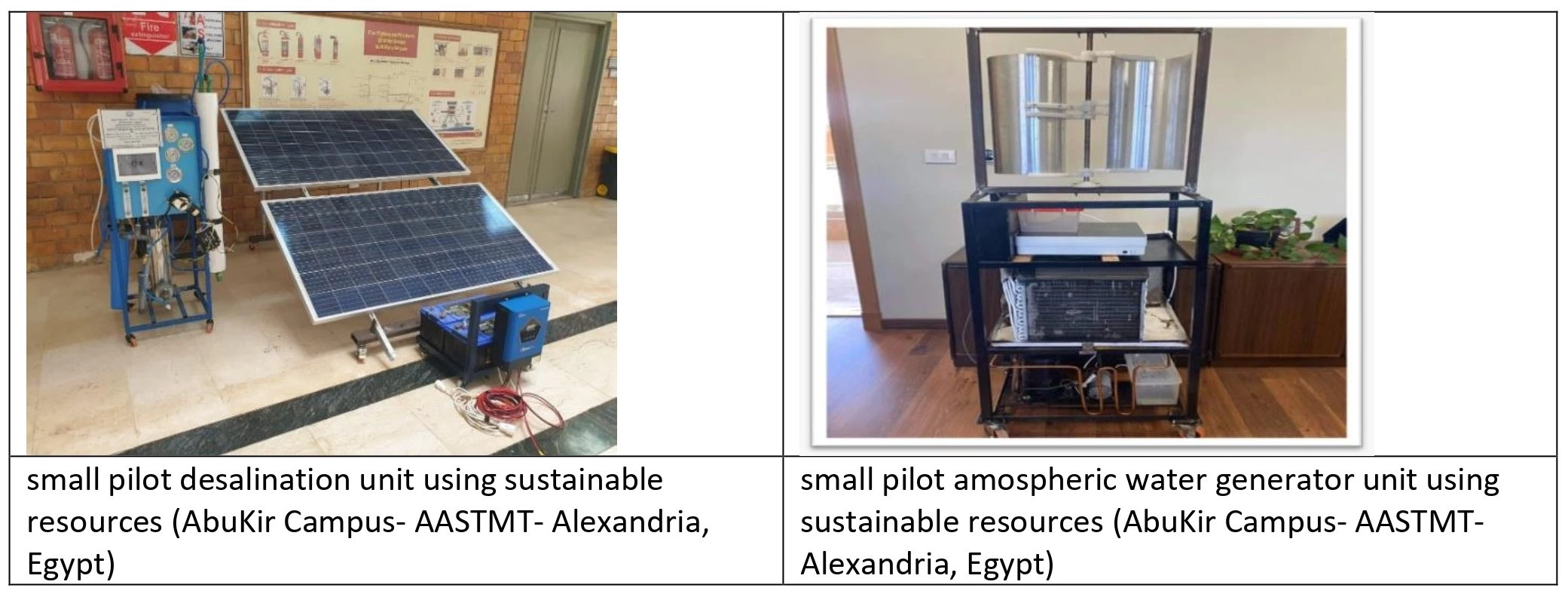
- Pilot Water Reuse Projects:
Development of a small pilot automated and mobile water treatment system using solar-powered reverse osmosis to provide and deliver water to arid and remote areas in Egypt. The desalination unit produces between 1.5 to 3 liters per minute, depending on the salinity of groundwater. This system desalinates water using PV system as a sustainable source of energy. The atmospheric water generator (AWG) extracts water from the humidity present in the air through the process of condensation and purifies it. The atmospheric water generators are divided into two types: production volume rate depending on the size of the application, the target market is bifurcated into residential, commercial, and others. This system is designed to extract 3 liters water per hour. This pilot system extracts water using a wind turbine system as a sustainable source of energy
- Periodic Maintenance:
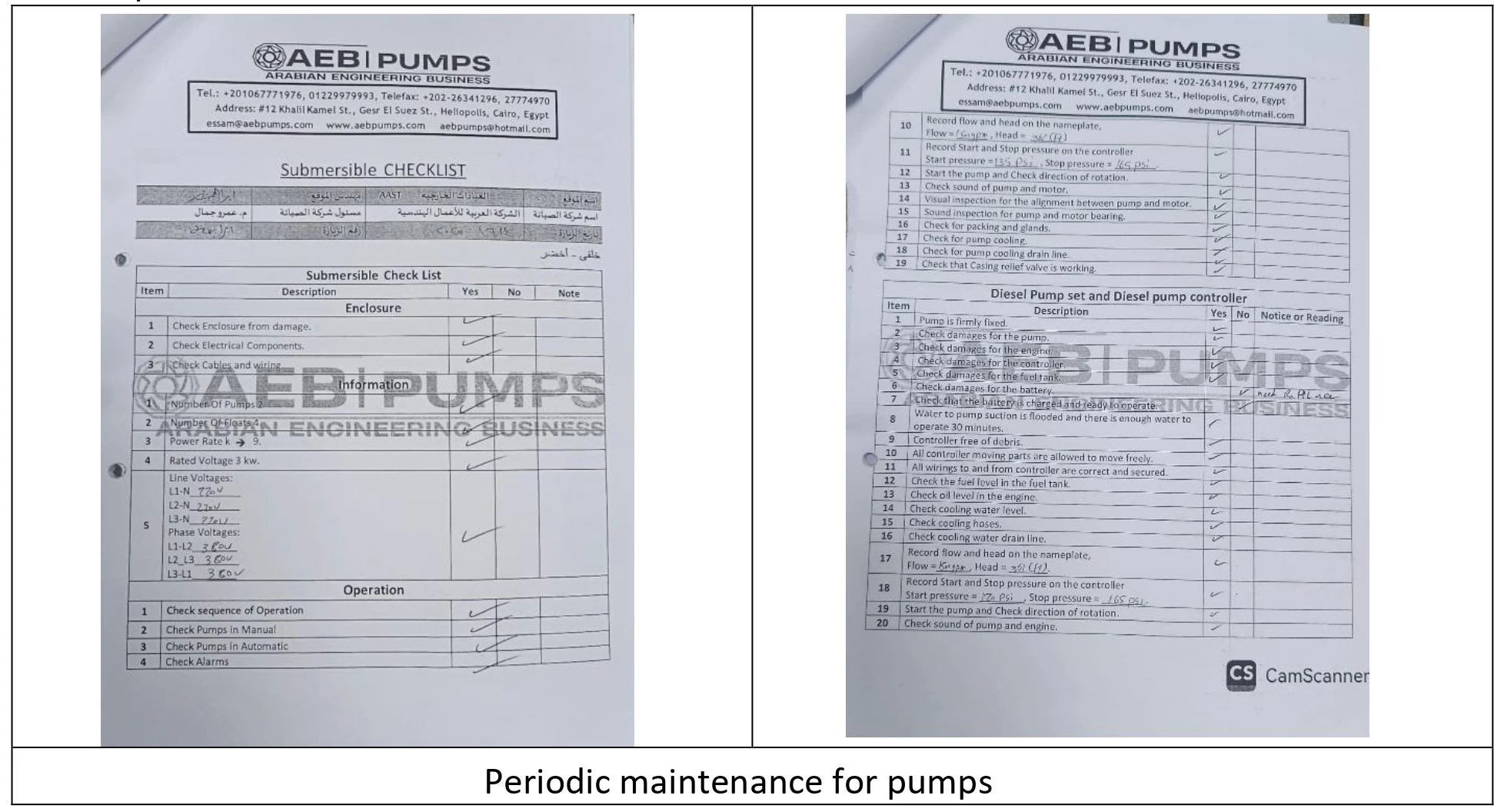
Regular inspection, metering, and maintenance activities are conducted to minimize leaks and track water-reuse efficiency.
https://aast.edu/en/sdg/goals.php?page_id=120600055