
 2.3.5 Staff hunger interventions
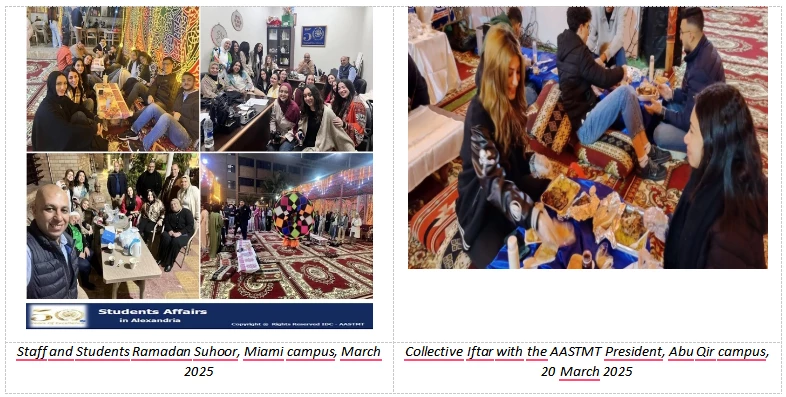
At the Alexandria campuses (Abu Qir and Miami), AASTMT passes surplus food to campus support workers, sells staff meals at supply cost and hands out campus-grown dates to staff free of charge. It also gives staff discounts at partner restaurants and held communal Ramadan Suhoor and Iftar events for staff and students in March 2025.
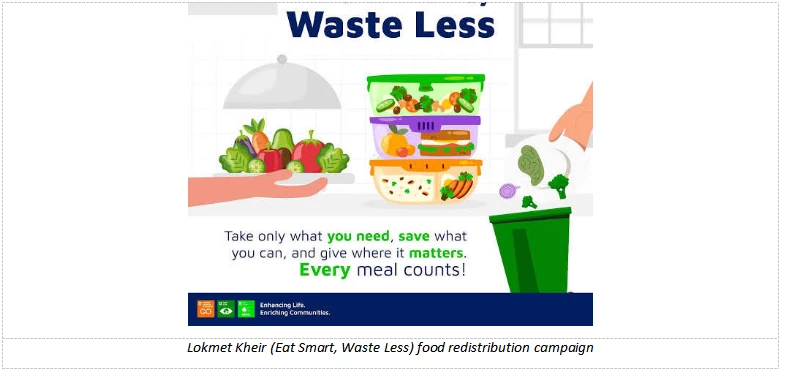
Lokmet Kheir (Eat Smart, Waste Less): Surplus Food for Support Workers
Under the Lokmet Kheir (Eat Smart, Waste Less) programme and the Academy’s Consumption and Recycling Policy, safe and untouched food from cafeterias and official events is packed and passed to campus support workers and to nearby community members in need.
AASTMT Consumption and Recycling Policy (SDG 12): https://www.aast.edu/en/sdg/goals.php?unit_item=1212&page_id=121200027
Spring 2025 SDG 2 Activation Day and Lokmet Kheir Surplus Food Redistribution Report (PDF): https://aast.edu/getData/pdf_retreivefileNew_open.php?unit=1212&filename=/mediafiles/1212/Document/149983.pdf
Staff Meals at Supply Cost
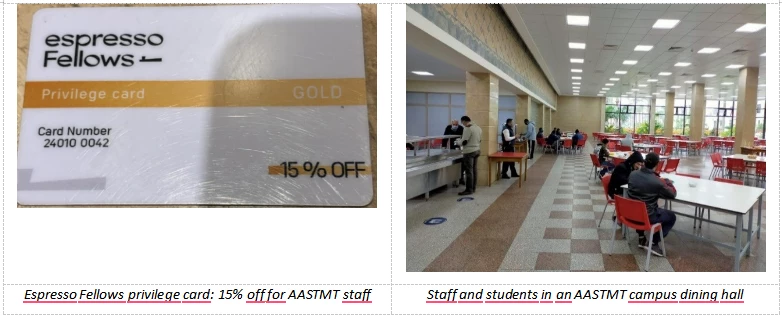
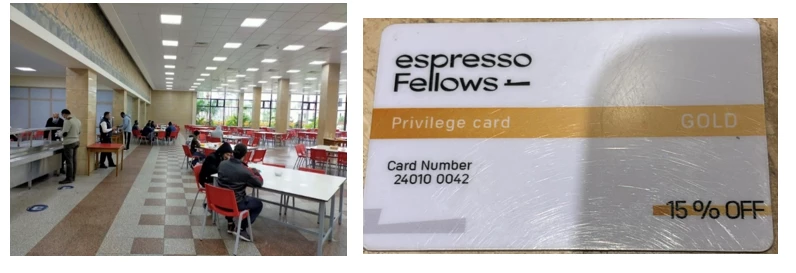
Staff can buy a Gold privilege card from Espresso Fellows that takes 15% off for AASTMT staff. In the campus dining halls and cafeterias, AASTMT calculates meal prices based on actual supply costs without adding profit margins.
AASTMT Catering and Restaurant Services: https://aast.edu/en/affairs/student-affairs/contenttemp.php?page_id=48600009
Free Distribution of Campus-Grown Dates to Staff
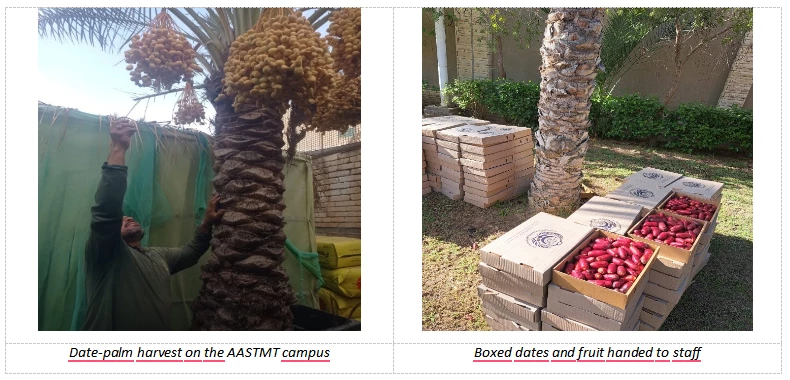
Dates from the palms on the Abu Qir campus, along with seasonal fruit, are harvested, packed in boxes and handed to staff free of charge.
Campus Date Harvest, Abu Qir: https://www.aast.edu/en/sdg/goals.php?unit_item=10119&page_id=101190007
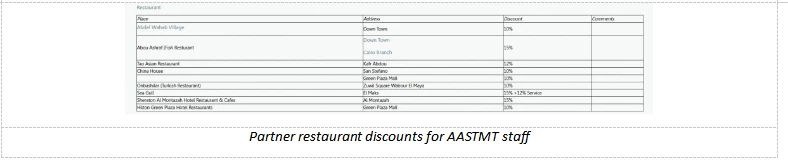
Restaurant Discounts for Staff (10% to 15%)
Staff who show proof of AASTMT employment receive 10% to 15% off at partner restaurants, including Abdel Wahab Village (10%), Sheraton Al Montazah (15%) and Pizza Hut.
AASTMT Staff Discount Partners (PPR): https://aast.edu/en/services/ppr/contenttemp.php?page_id=48400016
SDG 2 Activation Day (Spring 2025)
At the Spring 2025 SDG 2 (Zero Hunger) Activation Day, academic staff, administrative employees and campus service staff received free meals at five stations: Build a Healthy Plate; a plant-based Make Your Own Salad Bar; a Protein Station; a Healthy Fats Station with nuts and Egyptian dates; and Fruit, Fuel Your Future.
Spring 2025 SDG 2 Activation Day Report (PDF): https://aast.edu/getData/pdf_retreivefileNew_open.php?unit=1212&filename=/mediafiles/1212/Document/149983.pdf
Staff Ramadan Suhoor and Iftar Events, March 2025
In March 2025 the Deanship of Student Affairs and the Department of Cultural and Social Activities organised the Annual Staff and Students Ramadan Suhoor at the Miami campus, followed by collective Iftars at Miami and at Abu Qir (20 March 2025). On 24 March 2025 the El Alamein campus hosted a staff and leadership Iftar attended by the AASTMT President and senior academic leaders, faculty, administrative staff and support workers.
Staff and Leadership Ramadan 2025 Iftar, El Alamein Campus (24 March 2025): https://aast.edu/en/news/news-details.php?language=1&unit_id=1&news_id=486104218&event_type_id=1
AASTMT demonstrates strong commitment to staff food security through comprehensive programs addressing nutrition, affordability, inclusivity, and community engagement. Initiatives include discounted meals, diverse menu options, dietary accommodations and community dining, and alignment with sustainability and wellness goals, advancing SDG 2: Zero Hunger while supporting dignified employment and institutional excellence. This is done through multiple efforts:
Discounted Meals & Cafeteria Services
The Academy partners with campus and local dining facilities to offer tiered meal discounts (5–30%), ensuring affordable access for all staff. For instance, “Espresso Fellows” offers special 15% discount cards for staff members on campus to get their daily breakfast, snacks and coffee at a lower price. Also, local sourcing supports regional producers and sustainability, minimizing environmental impact. Dining facilities serve ~900 staff daily with balanced macronutrient and micronutrient meals across extended hours.
Food Safety & Quality Assurance
AASTMT enforces strict hygiene, sanitation, and food safety protocols, including staff training, separate preparation areas, and regular audits. Feedback mechanisms ensure consistent quality, nutritional standards, and program affordability.
Health & Productivity Benefits
Access to nutritious meals reduces diet-related disease risk, supports immune function, energy, and improves staff performance, and mental well-being. Staff free from hunger stress demonstrate higher productivity, lower absenteeism, and better professional performance, generating institutional return on investment.
Partnerships with dinners
Collaborations with multiple dining partners promote variety, service quality, and offer discounts to staff members inside and outside the campuses as well. Multiple discounts from restaurants across Egypt are offered to staff members upon providing their employability proof, such as Abdel Wahab Grills, Pablo Café and Restaurants, Pizza Hut, and others.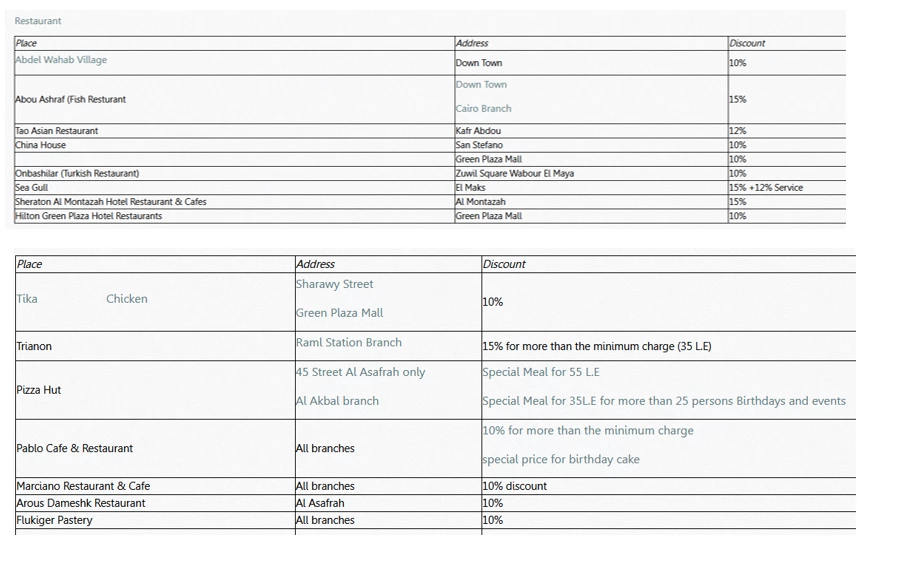
Partnerships with Dinners on AASTMT webpage
AASTMT prioritizes the well-being of its staff by implementing interventions to prevent or alleviate hunger and promote food security within the institution. These efforts are aligned with AASTMT’s commitment to fostering an inclusive and supportive work environment.
1. Discounted Meals: AASTMT has established partnerships with campus dining facilities and local restaurants to provide discounts ranging from 5% to 30% on meals for staff. This initiative reduces the financial burden on employees while ensuring access to affordable and nutritious food.
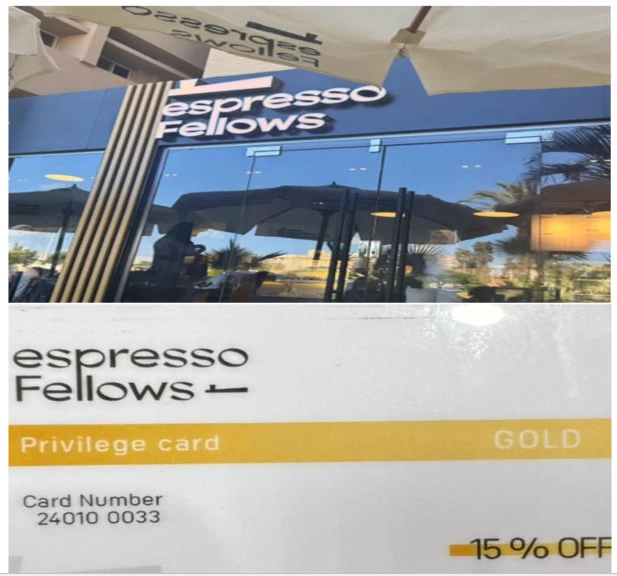
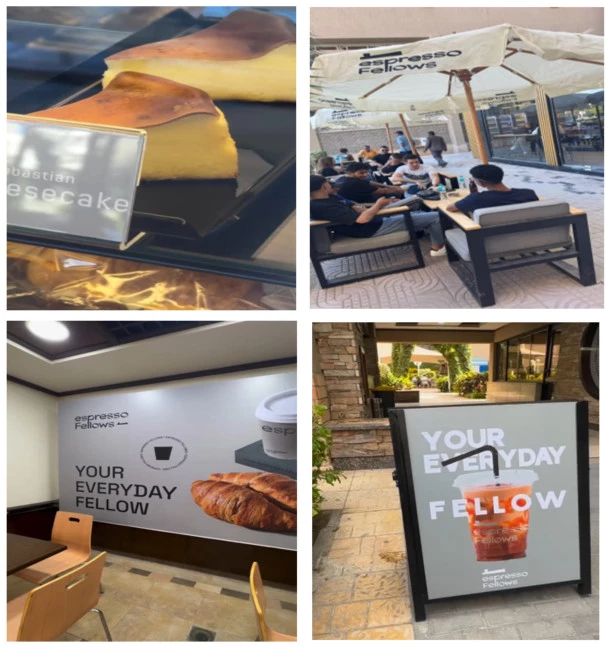
The Espresso Fellows Cafeteria at AASTMT represents a significant step towards improving food security and quality within the campus community. By offering a divers menu of high-quality food and beverages at discounted prices, the cafeteria plays a crucial role in promoting the well-being of students and staff.
Diverse Menu: The cafeteria's varied menu provides access to a range of nutritious food options, including fresh fruits, vegetables, and whole grains.
Healthy Choices: By offering healthy alternatives, the cafeteria encourages students and staff to make informed dietary choices, contributing to improved overall health and well-being.
Reduced Food Insecurity: Affordable Pricing: Discounted prices make it easier for students and staff to afford nutritious meals, reducing the risk of food insecurity.
Convenient Access: The cafeteria's convenient location on campus ensures easy access to quality food, eliminating the need for off-campus dining.
Sustainable Food Practices:
Local Sourcing: By sourcing ingredients from local suppliers, the cafeteria supports local economies and reduces the environmental impact of food transportation.
Waste Reduction: Implementing effective waste management practices, such as composting and recycling, helps minimize the environmental footprint of the cafeteria.
To ensure the long-term success of the Espresso Fellows Cafeteria, it is essential to address potential challenges and implement effective strategies:
Maintaining Food Quality and Safety:
Rigorous Hygiene Standards: Adhering to strict hygiene and sanitation practices is crucial to prevent foodborne illnesses.
Regular Inspections: Regular inspections and audits should be conducted to maintain high standards of food safety and quality.
Efficient Operations: Implementing efficient operations, such as inventory management and cost control, can help optimize resource utilization.
Innovative Partnerships: Collaborating with local suppliers and businesses can lead to cost savings and unique offerings.
By addressing these challenges and continuing to prioritize food quality, affordability, and sustainability, the Espresso Fellows Cafeteria can serve as a model for campus food services, contributing to the overall well-being of the AASTMT community and the broader goals of SDG 2: Zero Hunger.
2. Nutritional Diversity: Dining facilities on campus offer a range of meal options catering to diverse dietary needs, including vegetarian, vegan, and gluten-free choices. This ensures that all staff can access meals that align with their dietary preferences and health requirements.
3. Shared Dining Experiences: Community dining events allow staff members to participate in meal preparation and share meals together. These gatherings not only address immediate food needs but also promote well-being and strengthen relationships among employees.
AASTMT ensures that its interventions are inclusive, addressing the nutritional and financial needs of its staff while promoting sustainability and responsible consumption practices. By prioritizing access to healthy and affordable meals, the academy creates a supportive environment where staff can thrive professionally and personally.


