

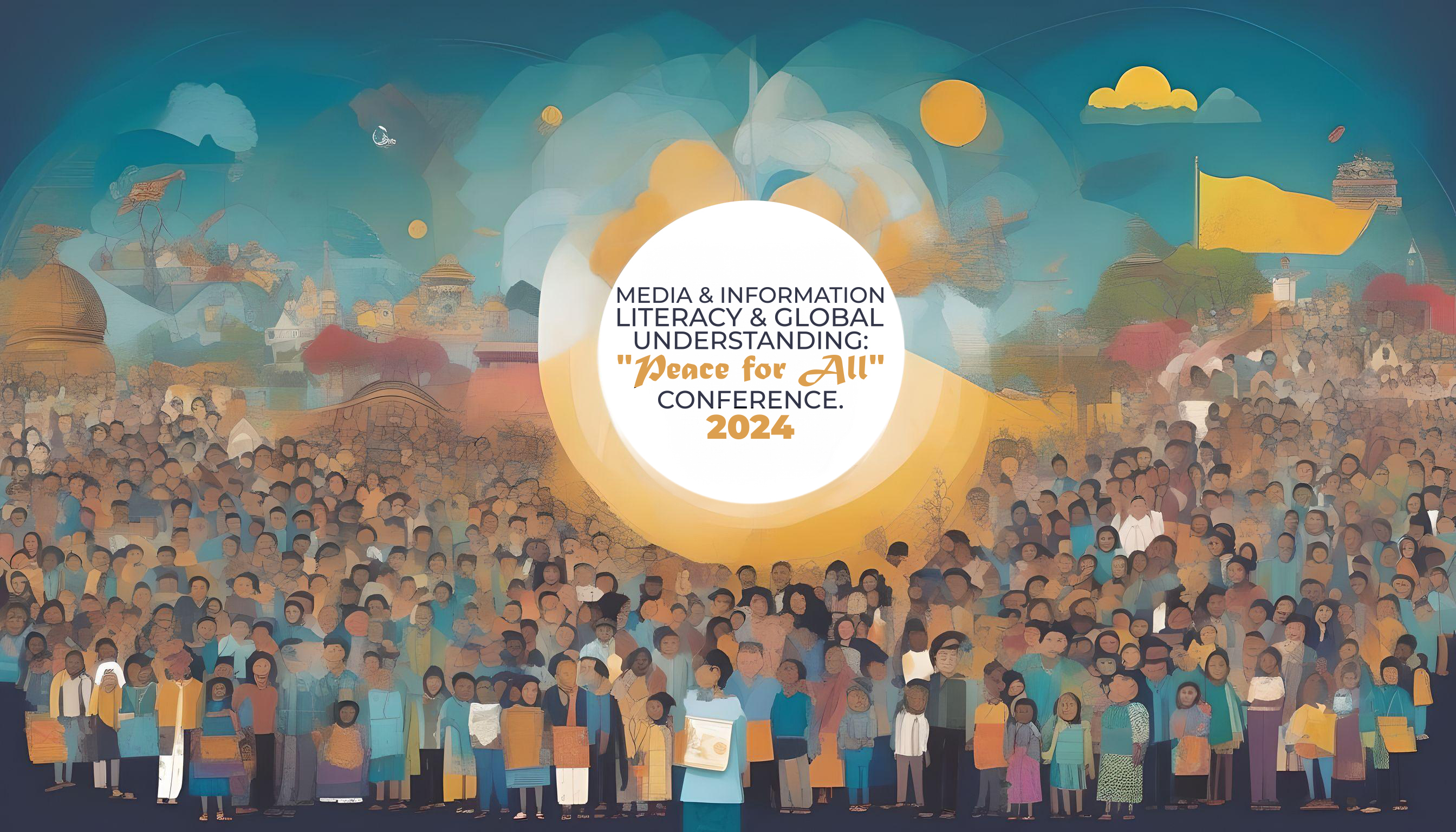
Media's Role in Youth Development during Global Challenges
Media has evolved into a pivotal aspect of youth upbringing, shaping perspectives through information and entertainment. In recent times emphasized during the COVID-19 crisis, the present context, spanning years, brings forth not only pandemic challenges but also global conflicts. The intertwining of media dependence and the current geopolitical challenges underscores the need for heightened attention from parents, educators, and media professionals. While media remains crucial for connectivity, the excessive reliance demands careful management, necessitating the cultivation of critical thinking skills among the younger generation. Guiding them through the media landscape, especially during times of conflict, becomes imperative to foster a discerning approach to information consumption. Balancing the benefits of media accessibility with the risks of misinformation is essential to navigate the complexities of an interconnected world.
Empowering Youth through Media and Information Literacy
Information providers, encompassing both traditional and new media, wield significant influence over the cultural identities and information landscape of any society. While the continuous flow of information, media, and technologies presents opportunities for youth education and sustainable development, it also poses genuine risks, particularly for the more vulnerable younger generation. Though the global pandemic that occurred four years ago brought attention to the dangers of an "infodemic," the current reality is marked by widespread conflicts in different regions, amplifying the challenges associated with disinformation, hate speech, and harmful content online. Despite concerted efforts by major organizations to combat these issues, empowering youth and arming them with critical media and information literacy remains paramount. Globally addressing this need through Media and Information Literacy (MIL) becomes crucial, serving as a tool to safeguard children from the potential adverse effects of excessive media use. MIL not only encourages active engagement with information and media but also cultivates critical thinking skills, digital literacy, and life skills, enabling youth to become informed and responsible global citizens.
Media and Information Literacy as a Safeguard for Youth
When discussing issues regarding democracy and development we often forget that a media literate citizenry is a precondition. An important prerequisite for the empowerment of citizens is a concerted effort to improve media and information literacy – skills that help to strengthen the critical abilities and communicative skills which enable the individuals to use the media and communication both as tools and as a way of articulating processes of development and social change, enabling people to influence their own lives by making them more in control of their media use. Media and information literacy is needed for all citizens, but is of decisive importance to the younger generation – in their role as citizens and their participation in the society, their learning, cultural expression and personal fulfillment. A fundamental element of the
efforts to realize a media and information literate society is media education.
Media Literacy as a Prerequisite for Empowered Citizenship
Media and information literacy has become a global trend and tool to upgrade the educational systems in different countries. It has become an important tool to encourage creativity and the feelings of loyalty, belonging and citizenship. It has also become an important mechanism for the democratic participation of citizens in general and youth in particular. It is a way to bring our young people and children from their bubbles in the virtual world to the real world. Furthermore, media and information literacy helps to empower young people to be active users of the media and not merely passive receivers. In brief, it helps to create an active audience which we may call “prosumers”, i.e., producers and consumers of media content at the same time. Mediaand information literate citizens can also discern “fake news” and “hate speech” which became very common especially on the new media platforms. Such abilities pave the road to better global understanding and result in having more “global citizens” who realize that they share more in common and interact with people from other races, religions and cultures.
Global Impact of Media and Information Literacy
It is recommended that developments in the educational system take into consideration the integration of MIL in the formal school system. It is another tool to reinvigorate the students’ feeling of belonging to their country, their environment and culture. Students’ acquisition of MIL competencies facilitates intercultural dialogue and the development of mutual understanding, through passing on tradition and cultures in new ways and through recognizing new cultural practices. It also enables students to be more tolerant of the other, fostering intercultural and inter-religious dialogue. Nations never develop without critical and creative minds, and qualified teachers who can contribute to building and guiding students’ cognitive abilities by teaching them MIL competencies and skills.
Integrating Media Literacy into Formal Education
MIL has been integrated in educational systems in several countries. In Canada for instance, it is a formal curriculum for all students from 6 till 18 years old. In Finland it is a cross-cutting curriculum in many subjects. In the USA and Britain it is integrated as an activity for students and the same applies to countries like India, the Philippines and some Asian countries. MIL has demonstrated success as a global tool for upgrading
educational systems and empowering students We live in world full of violence, complications and challenges, and unfortunately the media are full of fake news, hate speech and harmful content. The only way to tackle these problems is to have a better understanding of the other, countering the negative stereotypes that we have about one another. No doubt that media and information literacy can play an important role in this respect.