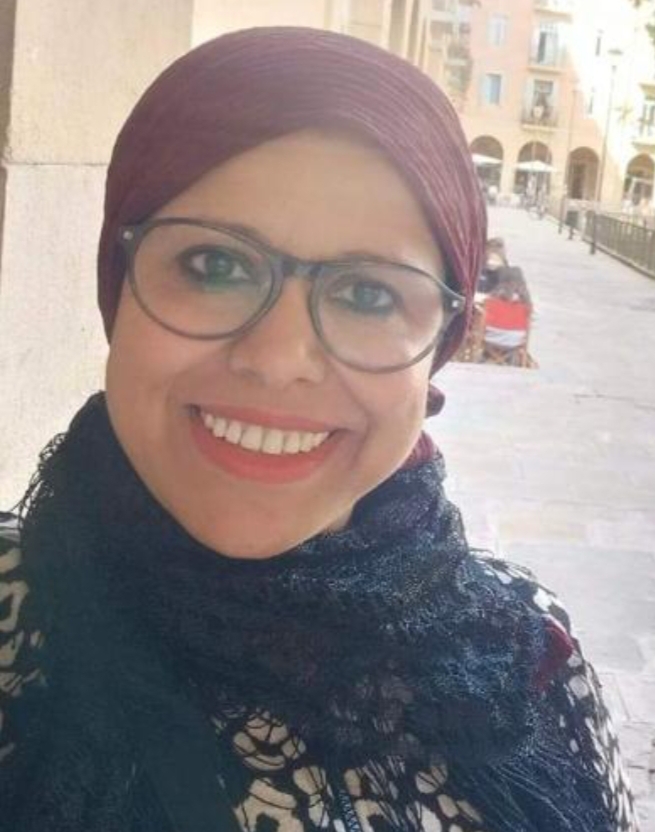
Nashwa Elyamany is Professor of Linguistics and Computational Linguistics and Associate Dean for Graduate Studies and Scientific Research at the College of Language and Communication, Arab Academy for Science, Technology and Maritime Transport (AASTMT), Egypt. With over two decades of experience in higher education, her career evidences a sustained trajectory from disciplinary expertise to strategic pedagogic leadership, shaping teaching, learning, and research cultures at programme, faculty, and institutional levels. Her leadership is defined by the design and validation of innovative postgraduate programmes at the intersection of linguistics, artificial intelligence, and digital communication, alongside the development of inclusive, research-informed curricula responsive to AI-mediated and post-digital learning environments. She has led major curriculum transformations, assessment reform initiatives, and staff development frameworks that have institutionalised multimodal, computational, and forensic approaches to discourse analysis. As founder and director of the Language and Communication Research Lab, she has established a transdisciplinary infrastructure that integrates research, pedagogy, and industry-relevant innovation. Professor Elyamany’s pedagogic practice is underpinned by a commitment to inclusive, dialogic, and ethically grounded education. A certified IELTS Speaking Examiner for over twelve years, she has played a key role in advancing equitable assessment practices and supporting linguistic diversity across programmes. Her work demonstrates a sustained impact on colleagues’ teaching through mentoring, peer development initiatives, and the creation of collaborative learning cultures that enable confident engagement with digital and AI-mediated pedagogies. Her research is internationally recognised for its transdisciplinary scope, spanning Multimodal Critical Discourse Analysis, social semiotics, forensic linguistics, digital humanities, and AI-driven methodologies including natural language processing and computer vision. She has published over 45 peer-reviewed works across leading journals such as Visual Communication, Discourse & Society, Social Semiotics, AI & Society, and International Journal of Legal Discourse. She has also guest edited special issues, authored Cambridge Elements, and received multiple international awards for research excellence. An active contributor to the global academic community, she serves on the advisory editorial board of Visual Communication (SAGE), as Associate Editor of AI & Society (Springer Nature), and as regional editor for Language and Semiotic Studies (De Gruyter Brill). She regularly delivers keynote talks, leads international collaborations, and mentors academics through successful Advance HE Fellowship applications, extending her influence beyond her home institution. Her work collectively reflects a sustained commitment to advancing higher education through research-informed innovation, ethical engagement with AI, and the cultivation of inclusive, future-facing learning environments.