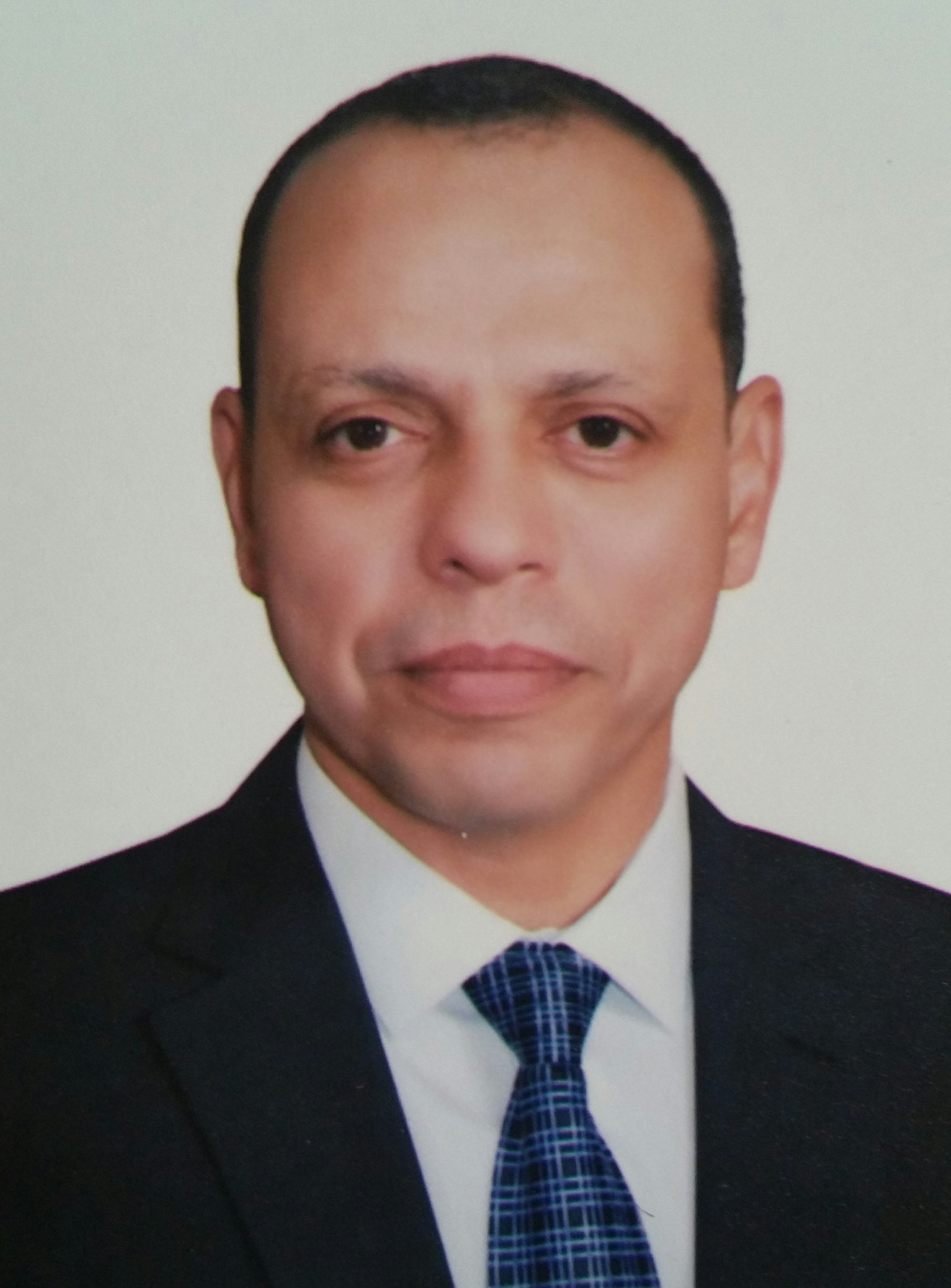
I graduated with highest honors (Excellent with Honor) from the Computer Engineering Department at the Military Technical College in 1992. In 2003, I earned my Ph.D. from the University of Sheffield (UK), specializing in intelligent biomedical modeling and machine learning-based systems, leveraging both supervised learning techniques (such as genetic optimization, fuzzy logic, and neural networks) and unsupervised learning methods (including clustering algorithms). In 2015, I completed a postdoctoral research fellowship at the University of Sheffield, focusing on the development of intelligent systems for the evaluation and management of mental stress. My academic career has been marked by progressive advancements: I was appointed Associate Professor in September 2018. Previously, I served as a lecturer in the Biomedical Engineering Department at the Military Technical College (2003–2008), then as a senior lecturer (2008–2017). In parallel, I headed the Educational Affairs Branch at the Military Technical College from 2014 until my voluntary retirement in January 2018. In February 2019, I joined the College of Computing and Information Technology – Cairo Campus of the Arab Academy for Science, Technology, and Maritime Transport as an Associate Professor. From July 2020 to February 2023, I served as Head of the Information Systems and Software Engineering Departments. Since September 2024, I have been a faculty member in the Computer Engineering Department at the College of Engineering and Technology—Smart Village Campus of the Arab Academy for Science, Technology, and Maritime Transport. In December 2025, I was promoted to the professorship degree in artificial intelligence. My technical expertise encompasses professional programming skills in MATLAB, C++, C, Visual Basic 6, Visual Basic .NET, Visual Basic for Applications (VBA), and Java, along with strong proficiency in Python. Throughout my research career since 2005 at both the Military Technical College and the University of Sheffield, I have successfully led and contributed to numerous projects in areas including human performance evaluation, machine learning-based modeling of biomarkers derived from physiological and electrophysiological signals, human-machine interaction, and systems-aided rehabilitation within virtual and augmented reality environments.